
Last updated November 2, 2026
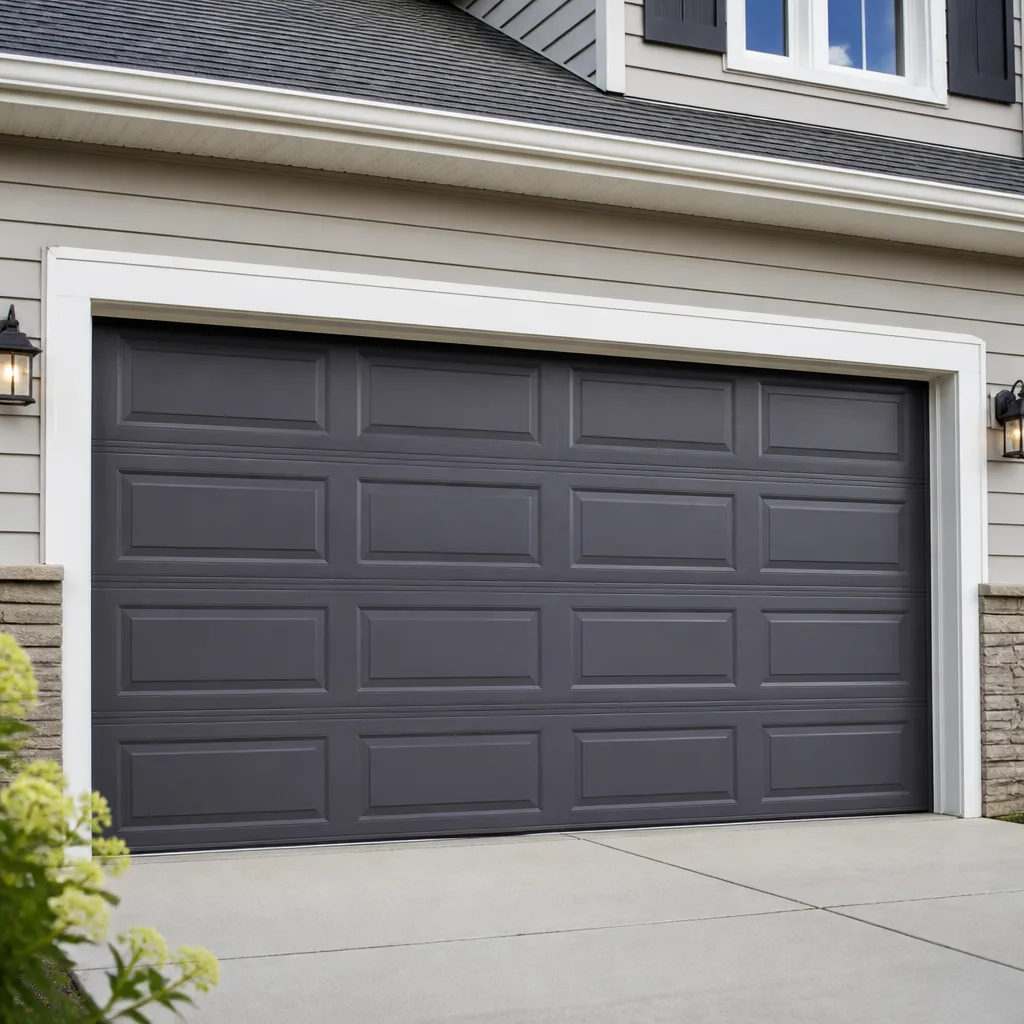 Raised-panel steel
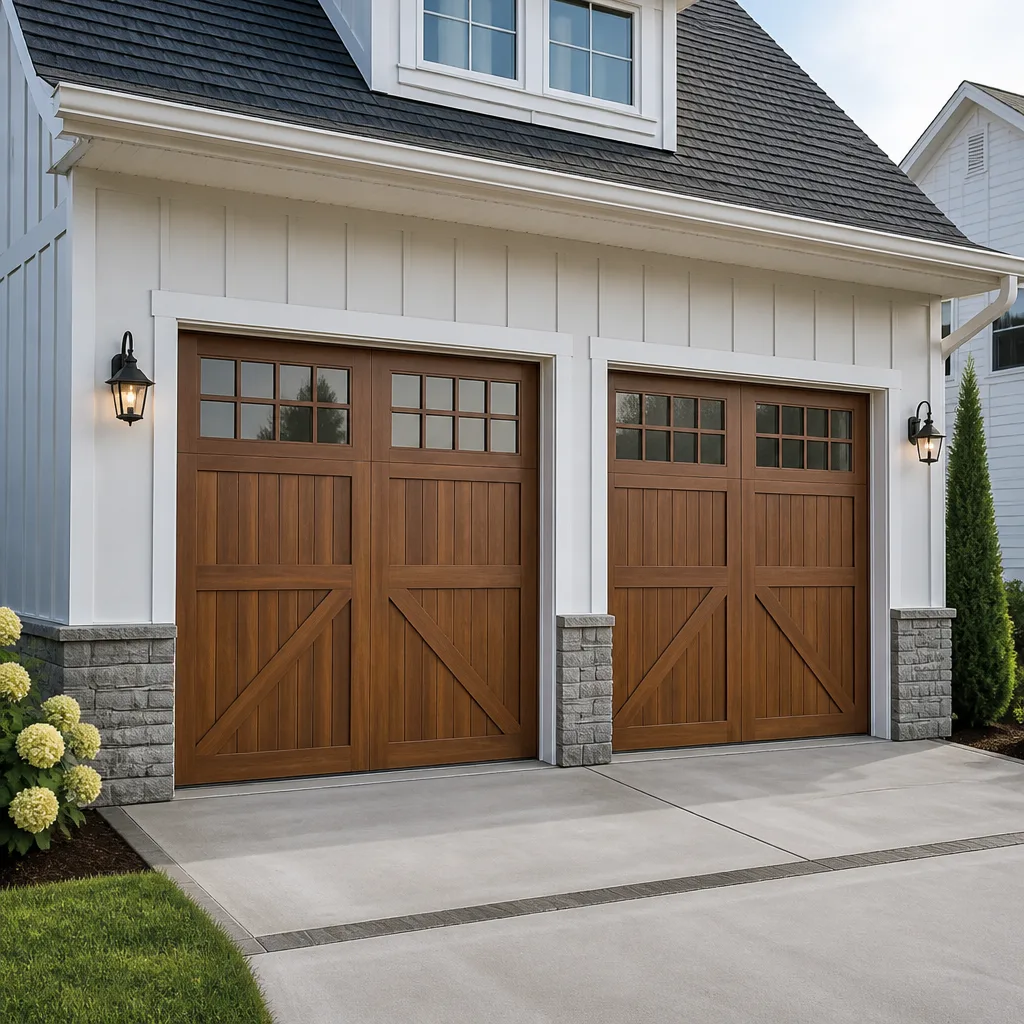 Carriage house
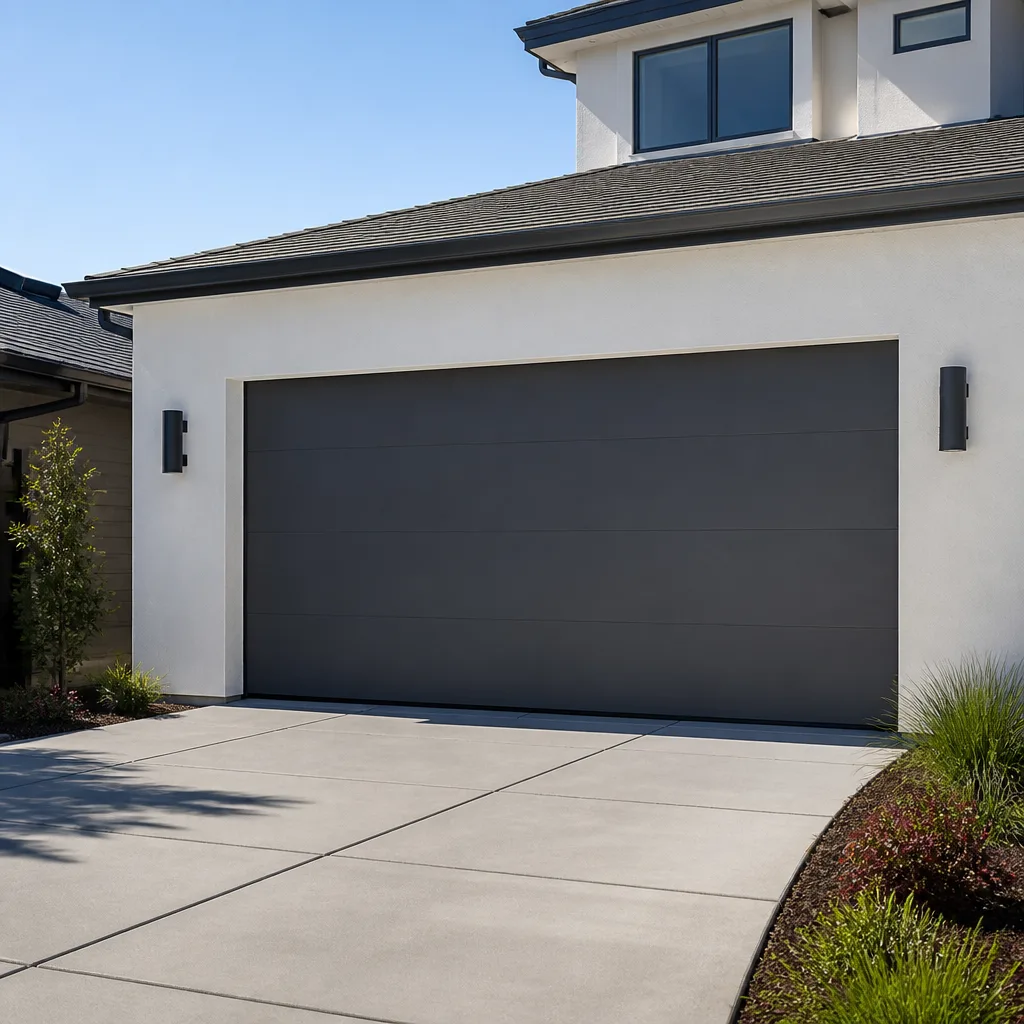 Modern flush
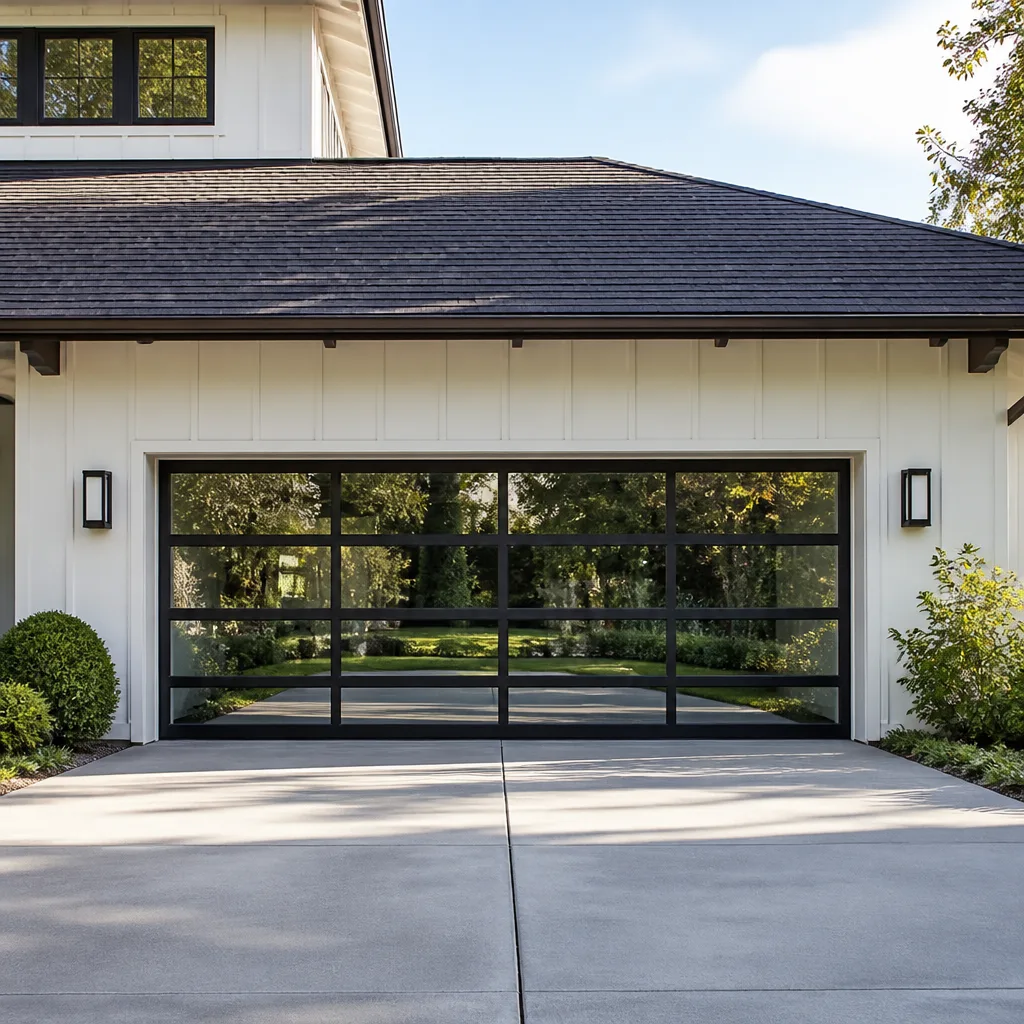 Full-view glass
 LiftMaster openers
 Chamberlain openers
Full 25-point door and opener safety check with every visit - springs, cables, rollers, tracks, and your LiftMaster or Chamberlain opener included
You get a price before we start. It does not change when the truck arrives.
Get your free estimateThe Complete Garage Door Repair Guide for Glendale Homeowners
Walk down any block in the Verdugo Woodlands, the Rossmoyne district, or up into the hills above Brand Park, and you’ll see it: Glendale’s housing stock spans seven decades of construction, and with it, seven decades of garage door technology. That 1958 ranch home might still have its original wood sectional door. The stucco box built in 1987 probably has a steel single-panel. The renovated craftsman on the north side likely received a raised-panel steel door sometime around 2015. The point is simple: a garage door guide written for a generic American suburb misses what Glendale homeowners actually face. This guide maps repair decisions to what’s installed in our city’s homes, what breaks here, and what it costs to fix it. You’ll learn how to diagnose problems in the first ten minutes, understand Glendale permit realities, and know when the repair belongs in professional hands.
Quick Answer
Garage door repair in Glendale typically costs between $150 and $400 depending on the component that’s failed, with spring replacement being the most common repair we see across the city’s pre-1990 homes. The most frequent failure patterns in Glendale are tension spring fatigue accelerated by Santa Ana wind season temperature swings, opener gear wear in detached garages that bake in summer heat, and wood door rot in hillside homes exposed to canyon moisture. Most repairs should be completed by a trained technician the same day you call, because a door that won’t close properly leaves your home exposed.
Styles & brands we work with
- Raised-panel steel
- Carriage house
- Modern flush
- Full-view glass
- LiftMaster openers
- Chamberlain openers
Table of Contents
- What’s Actually Installed in Glendale Garages: A Housing-Stock Map
- How Glendale’s Santa Ana Seasons Accelerate Spring and Seal Failure
- The First 10 Minutes: Triaging Your Own Door Before Calling Anyone
- The Two Things You Should Never Touch Without a Pro
- Garage Door Repair Costs in Glendale: Line-Item Reality
- Why Brand-Agnostic Service Matters in a City of Inherited Openers
- Glendale Permit Realities: What Building & Safety Actually Requires
- Common Mistakes to Avoid
- When to Call a Professional
- Frequently Asked Questions
What’s Actually Installed in Glendale Garages: A Housing-Stock Map
Before you can fix a garage door, you need to know what kind of door you actually have. In Glendale, that answer changes by neighborhood and construction era. Here’s what we see across the city’s housing stock:
Pre-1970 Wood Sectional Doors
Homes built in the 1940s through the late 1960s, concentrated in areas like Adams Hill, the older stretches of Glenoaks Canyon, and the flats south of Colorado, often still have their original wood sectionals. These doors are heavy. A solid redwood door can weigh 300 to 450 pounds, which means the springs carry an enormous load and fail with a loud crack when they go. Wood doors also absorb moisture during Glendale’s winter rains and dry out during Santa Ana events, leading to panel warping and paint failure around the edges. The repair playbook for these doors is specific: spring replacement needs to account for the actual weight, and wasted hardware that’s rusted into place often requires torch work to remove. The good news is that a properly maintained wood sectional from this era can outlast most modern steel doors. They were built thick, but they need annual lubrication of the hinge points, and the bottom seal should be checked every fall before the rains arrive.
1980s-1990s Steel Single-Panel Doors
The building boom of the 1980s brought the steel single-panel door to Glendale, and you’ll see them throughout the mid-century ranch neighborhoods around the Glendale Galleria area and up into the hills. Single-panel doors operate on a one-piece tilt mechanism, and they have a distinctive repair profile. The most common failure is not the spring itself but the extension springs mounted on either side of the track, which lose tension asymmetrically. That’s why a single-panel door that’s sagging on one side is almost always a spring issue, not a panel issue. These doors also have a tendency to slam down when a spring breaks, because the single panel carries all its weight in one motion. If you have one of these doors and it’s making grinding noises, check whether the arm bar connecting the opener to the door is bending. That’s the tell-tale sign the springs are under-sprung and the opener is doing the lifting.
Post-2000 Raised-Panel Steel Doors
Newer construction and remodels, especially in the Montrose-adjacent neighborhoods and the developments along the 2 Freeway corridor, overwhelmingly use sectional raised-panel steel doors. These doors are lighter than their wood predecessors, often weighing between 150 and 250 pounds, and they’re built around torsion spring systems mounted on a shaft above the door. The repair profile here is different from older doors: the torsion spring itself is the wear item, and it’s the component most likely to fail between years 8 and 12 of the door’s life. What surprises homeowners is how suddenly these springs fail: one loud bang, usually when the door is closed, and the door won’t open at all. These doors also have nylon rollers that wear flat over time, causing the door to shake and rumble as it travels. A rattling sectional door in Glendale is almost always worn rollers, and it’s a 30-minute fix if you catch it early.
Understanding which door you have is step one, because the repair approach, the parts cost, and the urgency all change with the door type. If you’re not sure what’s installed, a Garage Door Repair in Glendale visit starts exactly there: identifying the door before touching a single bolt.
How Glendale’s Santa Ana Seasons Accelerate Spring and Seal Failure
Glendale sits in a unique climate pocket. We’re far enough inland that summer temperatures regularly hit the high 90s in August and September, but we’re close enough to the coast that marine layer mornings in June keep things damp. Then the Santa Ana winds arrive in October and November, bringing single-digit humidity and rapid temperature swings. That combination is harder on garage door components than most homeowners realize.
Here’s the specific failure pattern we see: torsion springs are rated for a certain number of cycles, typically 10,000 to 15,000 open-close operations. That sounds like a lot, but a door that opens twice a day hits 730 cycles per year, meaning a spring rated at 10,000 cycles should last 13 years. In Glendale, we routinely see springs fail at 7 to 9 years, and the reason is thermal cycling. The rapid expansion and contraction of the steel during Santa Ana season, when daytime highs in the 80s drop to nighttime lows in the 50s, creates micro-fractures in the spring wire that compound over time. Coastal Los Angeles neighborhoods don’t get this same swing, which is why the same spring model lasts longer in Santa Monica than it does in Glendale.
Rubber seals and weatherstripping take a beating too. The bottom seal on your garage door, the rubber strip that keeps water and dust out, dries out and cracks in single-digit-humidity wind events. Once cracked, winter rains find their way under the door, and the next Santa Ana season widens the cracks further. In our experience, Glendale homeowners should inspect the bottom seal every October before the first Santa Ana event, and replace it every 2 to 3 years even if it looks intact. A $40 seal replacement prevents the kind of water damage and rodent intrusion that becomes a $400 repair after a wet winter.
If you’re hearing a grinding or squealing sound when your door opens, and you live anywhere in the Verdugo Hills or the canyon areas where wind exposure is strongest, the springs are likely the culprit. The sound is the spring binding as it unwinds, and it’s a warning sign that failure is close.
The First 10 Minutes: Triaging Your Own Door Before Calling Anyone
When your garage door won’t open or closes unevenly, the first instinct is to call a repair company. That’s reasonable, but spending ten minutes on a basic diagnosis will help you explain the problem clearly, avoid unnecessary service charges for a dead remote battery, and understand what the technician tells you when they arrive. Here’s a step-by-step triage sequence we walk every homeowner through:
- Check the disconnect cord. The red rope hanging from the opener rail disconnects the door from the motor. If it’s been pulled, the opener will run but the door won’t move. Reconnect it by pulling the cord toward the door.
- Test the wall button. If the wall button opens the door but the remote doesn’t, the problem is the remote, not the door. Check the remote battery first, then look for LED interference. Glendale homes with newer garage lighting sometimes have LED bulbs that emit frequencies that block remote signals. The fix is a simple bulb swap.
- Visually inspect the springs. Stand inside the garage and look at the springs above the door. If you see a gap in the torsion spring, it’s broken. If you see a stretched extension spring on one side, that side has failed. Do not touch anything, but note what you see.
- Check the door balance. Pull the disconnect cord so the door operates manually. Lift the door halfway and let go. A properly balanced door stays put. If it drops, the springs are weak or broken. If it shoots up, the springs are over-tensioned.
- Listen to the opener. Run the opener and listen to the motor. A humming noise with no movement means the opener’s gear is stripped, which is a common failure in Glendale’s summer heat when plastic gears inside the motor unit degrade.
- Inspect the rollers. Look at the wheels that run inside the track. If they’re rusty, flat-spotted, or wobbling, they’re wear items that need replacement. Rollers typically last 5 to 7 years in Glendale’s dry conditions.
This triage sequence will resolve the simple issues, and it gives you a precise description of the problem when you call a technician. The more specific you can be, the faster the repair gets diagnosed, and the more likely the first visit resolves it. For anything beyond these basics, our Garage Door Opener Repair in Glendale service handles motor, remote, and smart-home integration issues that homeowners shouldn’t attempt to fix themselves.
The Two Things You Should Never Touch Without a Pro
There are two components on a garage door system that can seriously injure or kill a homeowner who attempts a DIY repair: torsion springs and the bottom cable assemblies. We say this not to scare you into hiring us, but because we’ve seen the aftermath of well-intentioned DIY attempts, and the pattern is always the same. A homeowner watches a YouTube video, buys a spring online, and ends up losing a finger, a hand, or worse.
First, the torsion springs. These are the tightly wound springs mounted on a shaft above your door. They hold an enormous amount of stored mechanical energy. A single torsion spring on a double-car garage door is under 50 to 70 pounds of torque, and when that energy releases unexpectedly, it can break bones, lacerate skin, or send the winding bar flying across the garage at lethal speed. Replacing a torsion spring requires specialized winding bars, precise winding counts, and an understanding of how the spring’s wire gauge affects lift capacity. It is not a homeowner repair. Period.
Second, the bottom cable assemblies. The cables that run along the sides of the door and attach to the bottom brackets are under constant tension. When a spring breaks, the cables often snap as well, and if a homeowner attempts to re-cable while the door is partially raised, the door can fall with full force. A sectional door falling from four feet delivers enough force to crush bone. The safe procedure involves clamping the door in place, releasing all spring tension, and replacing cables in a specific sequence that accounts for door weight and track alignment.
We mention these two because every other component on a garage door, the rollers, hinges, seals, openers, sensors, is fair game for a competent DIY-er with the right tools and patience. But springs and cables are in a different category, and any guide that suggests otherwise is doing Glendale homeowners a disservice.
Garage Door Repair Costs in Glendale: Line-Item Reality
You deserve to know what garage door repair actually costs in Glendale before you call, because an informed customer is harder to overcharge. These are real price ranges we see across the city, accounting for the mix of older homes in the flats and newer construction in the hills. Every reputable company quotes the price and gets your agreement before any work starts. If a company won’t give you a written quote or a verbal price range on the phone, that’s a red flag.
- Torsion spring replacement (single spring): $180 to $280 including parts and labor. Double spring replacement runs $280 to $380.
- Extension spring replacement (single-panel doors): $140 to $220 for both springs, including safety cable installation.
- Bottom seal replacement: $80 to $140 including the seal and adhesive.
- Roller replacement (all rollers): $120 to $200 depending on whether nylon or steel rollers are used.
- Cable replacement (both sides): $150 to $230 including labor and re-tensioning.
- Hinge replacement: $15 to $35 per hinge, with most doors needing 2 to 4 replaced at once.
- Opener gear replacement: $150 to $250 for the gear and labor on most LiftMaster and Chamberlain systems.
- Opener replacement (full unit): $450 to $750 installed, depending on horsepower and smart-home features.
- Track adjustment or realignment: $100 to $180.
- Sensor replacement or realignment: $90 to $150.
These numbers are for Glendale specifically, and they account for the fact that some of our hillside homes have garage approaches on slopes, which changes the labor math slightly. The key point: it’s worth calling a specialist who works on the door you have, not a generalist who has to figure out what they’re looking at while on the clock. If you’re considering a full replacement rather than a series of repairs, the decision point comes when repair costs over two years would exceed 50% of a new door’s installed price. Our Garage Door Installation in Glendale service walks through that math with you honestly, without pushing a replacement you don’t need.
Why Brand-Agnostic Service Matters in a City of Inherited Openers
Glendale is a city of second and third-generation homeowners. When you buy a house in the Rossmoyne district or over in Adams Hill, you inherit whatever the previous owner installed, which might be a LiftMaster opener from 2004, a Wayne Dalton door from 1998, or a Raynor system that’s been through two remodels. If the technician you call only works on one brand, or worse, only sells one brand, you’re not getting an honest diagnosis. You’re getting a sales pitch.
That’s why brand-agnostic service matters here. A technician who recognizes the system on sight, who knows that Craftsman openers from the 1990s have a specific gear-sprocket failure pattern, or that older Raynor doors used a unique track profile that requires different roller dimensions, can diagnose the problem in minutes rather than hours. They also know which parts are interchangeable and which are proprietary, which means they can tell you when a $25 universal part will work just as well as a $140 manufacturer-specific component.
Suncrest Garage Door Repair works across eight major brands, including Wayne Dalton, Craftsman, Raynor, and LiftMaster, among others. We work on the door you have, not the one we want to sell you. That’s not a slogan; it’s the operating principle of every service call we run. When a door from 1996 comes in with a broken spring, the repair-first answer is to replace the spring, not to sell you a new door simply because the old one is, well, old. Repair first, replace only when it makes sense.
This matters especially in Glendale’s hillside homes, where garage dimensions are often non-standard. A custom door size requires custom ordering, longer lead times, and higher cost, so extending the life of the existing door through expert repair is frequently the financially smartest decision.
Glendale Permit Realities: What Building & Safety Actually Requires
One question we answer almost weekly is whether a garage door project needs a permit from Glendale Building & Safety. The answer depends on whether you’re repairing or replacing, and the distinction is not always obvious to homeowners.
Repairs do not require a permit. Replacing springs, cables, rollers, hinges, seals, openers, sensors, or any existing component is classified as maintenance or repair work. Glendale’s building code treats these as like-for-like replacements, and no permit or inspection is needed. This covers virtually every repair situation, from a snapped torsion spring to a full opener replacement.
Full door replacements in the same opening do not typically require a permit either. Glendale follows the California Building Standards Code, which treats a garage door replacement within an existing opening as a minor alteration, not structural work. However, there is an exception: if the replacement involves enlarging the opening, changing the structural header, or converting a single-car garage door to a double-car door, that is structural work and does require permits, engineered drawings, and inspections.
The resale consideration is where we see homeowners get burned. Unpermitted structural work, even if it looks fine, becomes a disclosure item during a home sale. In Glendale’s competitive real estate market, where buyers routinely run title searches and verify building permits, an unpermitted header modification can hold up a closing or reduce the sale price. If you’re planning any modification beyond a like-for-like replacement, pull the permit. The cost and timeline are manageable, and it protects the value of your Glendale home.
If you’re planning a Garage Door Installation in Glendale that involves any opening modification, we’ll help you determine what Glendale Building & Safety requires before any work begins. Most of our installation projects are like-for-like replacements that don’t need permits, but we’d rather tell you upfront than have you find out during escrow.
Common Mistakes to Avoid
- Lubricating the wrong parts. Homeowners routinely spray WD-40 on their tracks and springs, but WD-40 is a solvent, not a lubricant. It strips residual grease and leaves metal dry. The springs should be lubricated with a lithium-based spray, and the tracks should be cleaned but never greased. Greased tracks attract dust and grit that wears rollers faster.
- Replacing the remote before checking the opener. A dead remote is usually a dead battery, not a dead transmitter. Replacing the remote without testing the wall button first wastes $40 and doesn’t solve the problem.
- Ignoring a slow door. A door that’s moving slower than it used to is telling you something. In Glendale’s summer heat, a sluggish opener often means the motor capacitor is degrading, and early replacement prevents a full opener failure during the hottest week of the year.
- Painting over weatherstripping. Some homeowners caulk over cracked seals instead of replacing them, and the result is a sealed-in moisture problem. In Glendale’s winter rains, that trapped water rots wooden door frames and rusts steel panel edges.
- Assuming the springs are fine because the door opens. A door that opens by hand but sags when opener-operated has marginal springs. The opener is compensating, and that extra load is burning through the opener’s gear. Replacing the springs now saves the opener later.
- Postponing a spring replacement after one spring breaks. When a torsion spring fails, the other spring is close behind. Replacing both at once is standard practice, and doing one at a time means paying for labor twice.
- Skipping the annual balance test. Checking your door’s balance takes two minutes. Missing it means spring failures catch you by surprise, often on the morning you’re late for work.
When to Call a Professional
If your spring is broken, your cable is snapped, your door is off its track, or your opener makes a grinding noise and won’t move, call a professional immediately. These are not borderline situations. A door that’s partially attached to its track can fall without warning, and trying to manually lift a door with a broken spring on one side can cause the door to twist and bind, making the repair more expensive. If your door is stuck halfway open and you can’t identify the problem, the safest move is to unplug the opener, leave the door alone, and call for service. Suncrest Garage Door Repair offers free estimates in Glendale on all repair work, and we’ll give you a firm price before any work starts. Call (855) 473-2620.
For anything beyond these basics, start with the Suncrest Garage Door Repair home page for an overview of our three service areas: repair, opener repair, and installation.
Frequently Asked Questions
Garage door repair in Glendale typically costs between $150 and $400 depending on the failed component, with spring replacement being the most common repair. Torsion spring replacement runs $180 to $380, cable replacement runs $150 to $230, and roller replacement runs $120 to $200. These are real price ranges for Glendale’s mix of older wood doors and newer steel sectionals. Call (855) 473-2620 for an exact quote, and you’ll get a firm price before any work begins.
Most garage door repairs in Glendale are completed same-day, and spring, cable, roller, and opener issues are the most common jobs we handle every morning across the city. We keep the most common Glendale door components stocked on our trucks, including torsion springs for the wood doors in the 1940s-1960s homes and nylon rollers for newer raised-panel doors. Call (855) 473-2620 to get on today’s schedule.
No. The price we quote on the phone is the price you pay, and we confirm it in writing before any work starts. The only time a price changes is if we discover a secondary problem during the repair, and we’ll show you the issue and get your approval before adding anything to the bill.
Yes. We stock torsion and extension springs in the size ranges common to Glendale’s pre-1970 wood sectionals, 1980s steel single-panels, and post-2000 raised-panel doors. We also carry universal and brand-specific opener parts for the LiftMaster, Chamberlain, Genie, Craftsman, Raynor, and Wayne Dalton systems commonly installed across the city.
Garage door springs break in Glendale faster than in coastal Los Angeles because of the temperature swings during Santa Ana wind season, which cause micro-fractures in the spring wire over time. Springs rated for 10,000 cycles often fail at 7,000 to 9,000 cycles in Glendale’s climate, which translates to roughly 7 to 9 years of typical use.
No, not for a like-for-like replacement in the same opening. Glendale Building & Safety classifies door replacement as minor alteration, not structural work. Permits are only required when the opening size changes, the header is modified, or a single door is converted to a double door. We’ll tell you upfront if your project crosses that line, and we’ll handle the permit drawing and application if it does.
For more detail on any of these repairs, start with our Garage Door Repair in Glendale or Garage Door Opener Repair in Glendale pages.
The Bottom Line
The garage door on your Glendale home is a system, not a single part, and each era of housing stock in our city has its own failure patterns and repair requirements. Pre-1970 wood doors need spring and seal attention before the Santa Ana season. 1980s steel single-panels fail at the extension springs and arm bars. Post-2000 raised-panel doors wear through torsion springs, rollers, and opener gears on a predictable cycle. The repair costs are predictable too, and they range from $80 for a bottom seal to $750 for a full opener replacement.
What separates a good repair outcome from a bad one in Glendale is the technician’s familiarity with what’s actually installed in our homes. The door you inherited may not be the door you’d choose today, but it’s the door you have, and repairing it properly, with the right parts and the right understanding of our local climate, extends its life and delays the replacement decision. Whatever brand is on your door, we know it.
Written by the team at Suncrest Garage Door Repair, serving Glendale since 2014.
See the difference
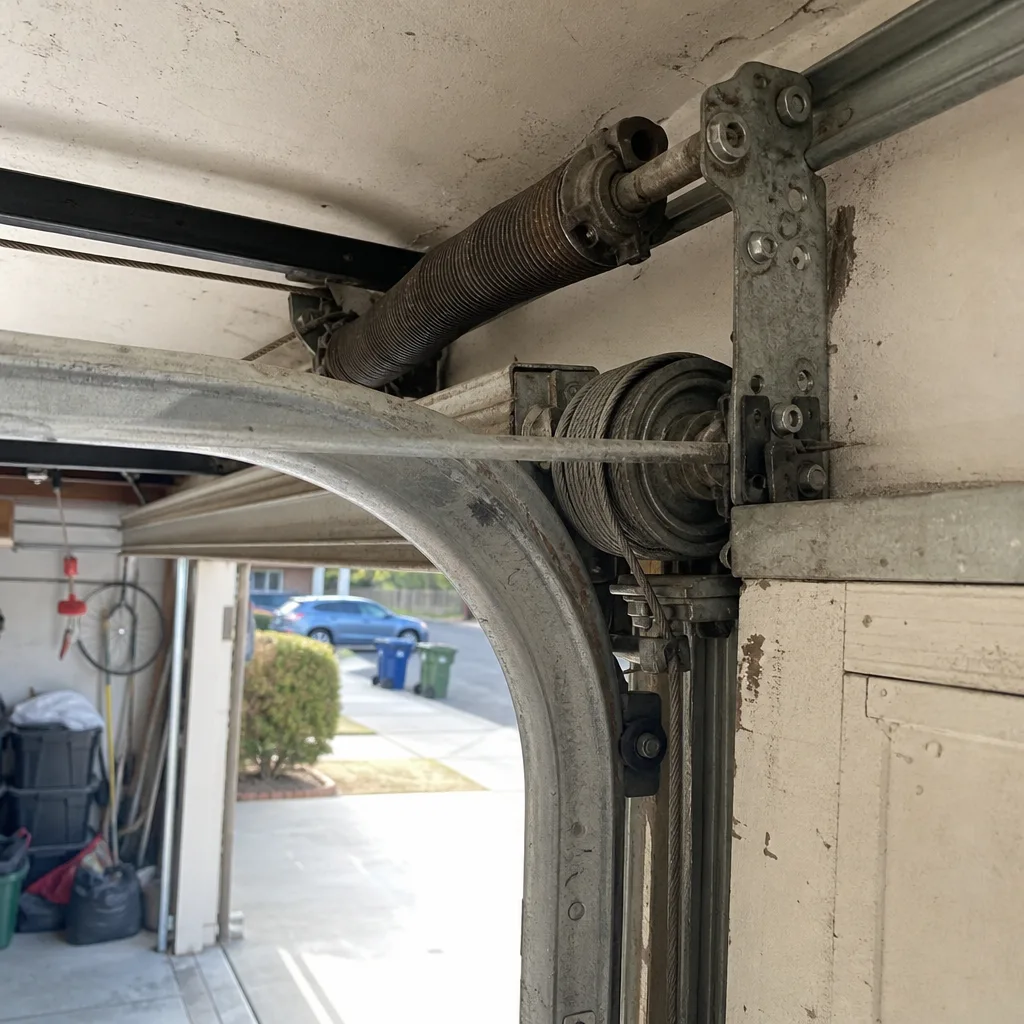 Before
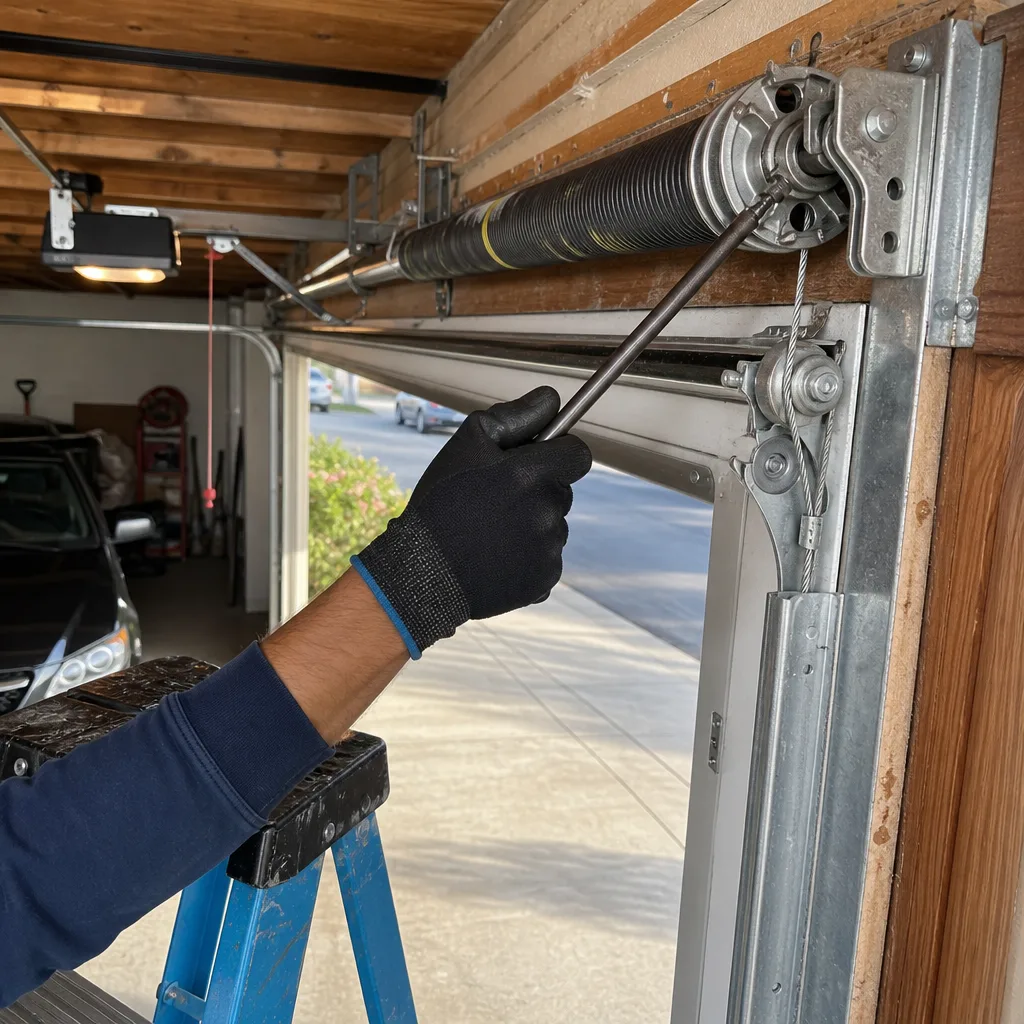 After
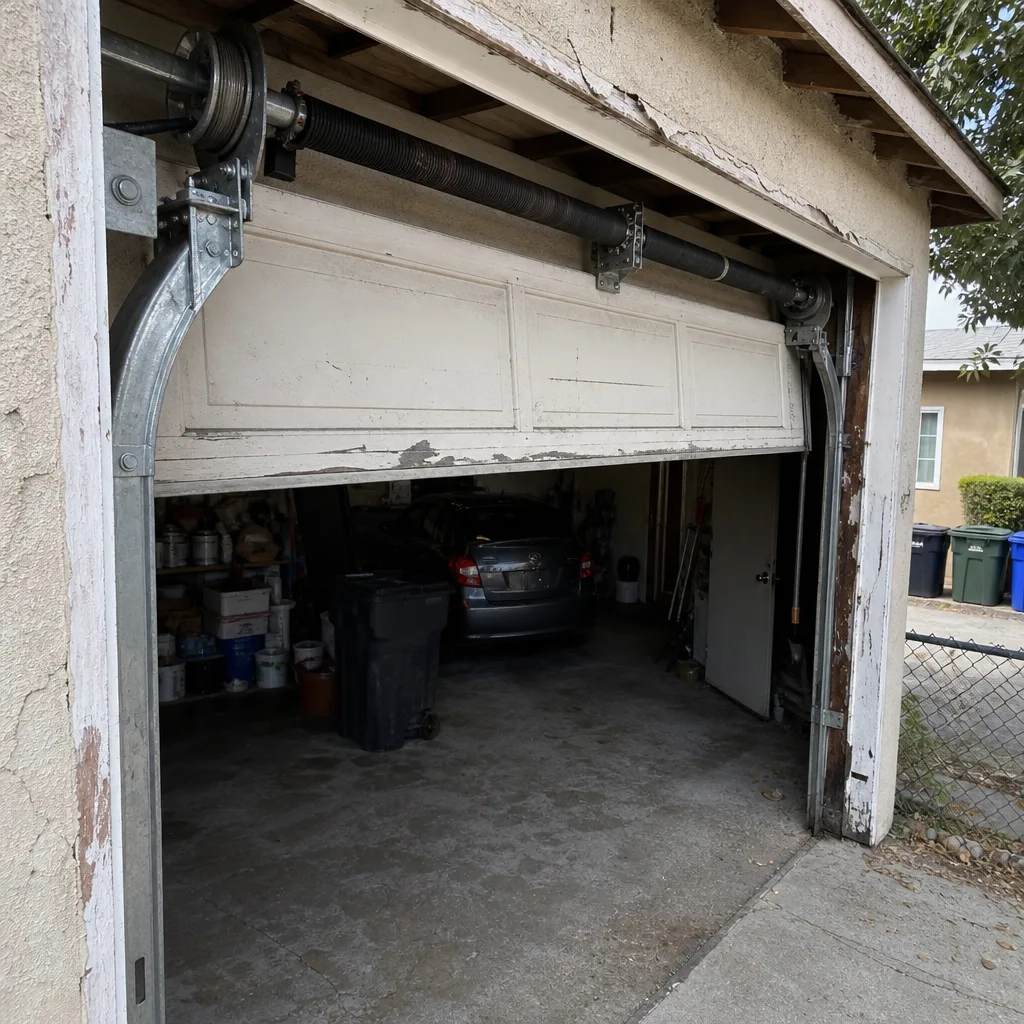 Before
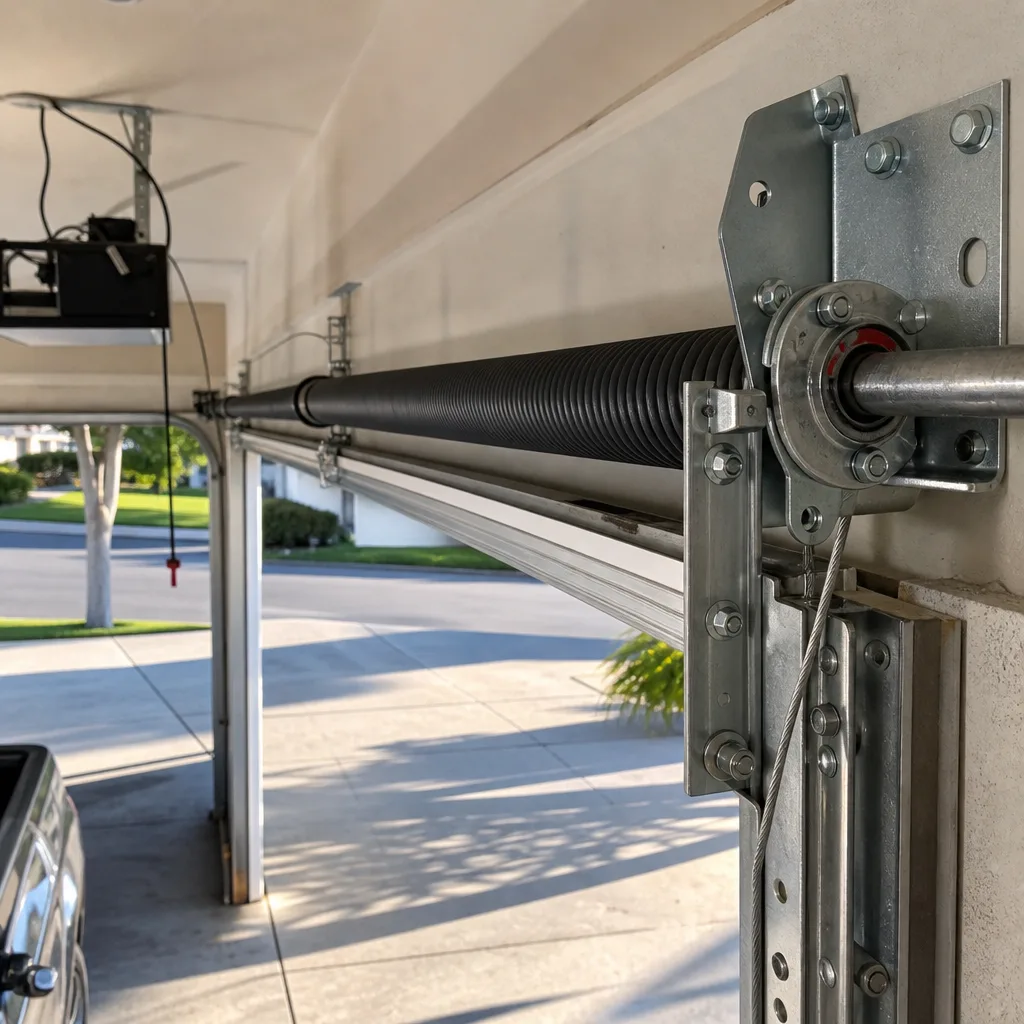 After
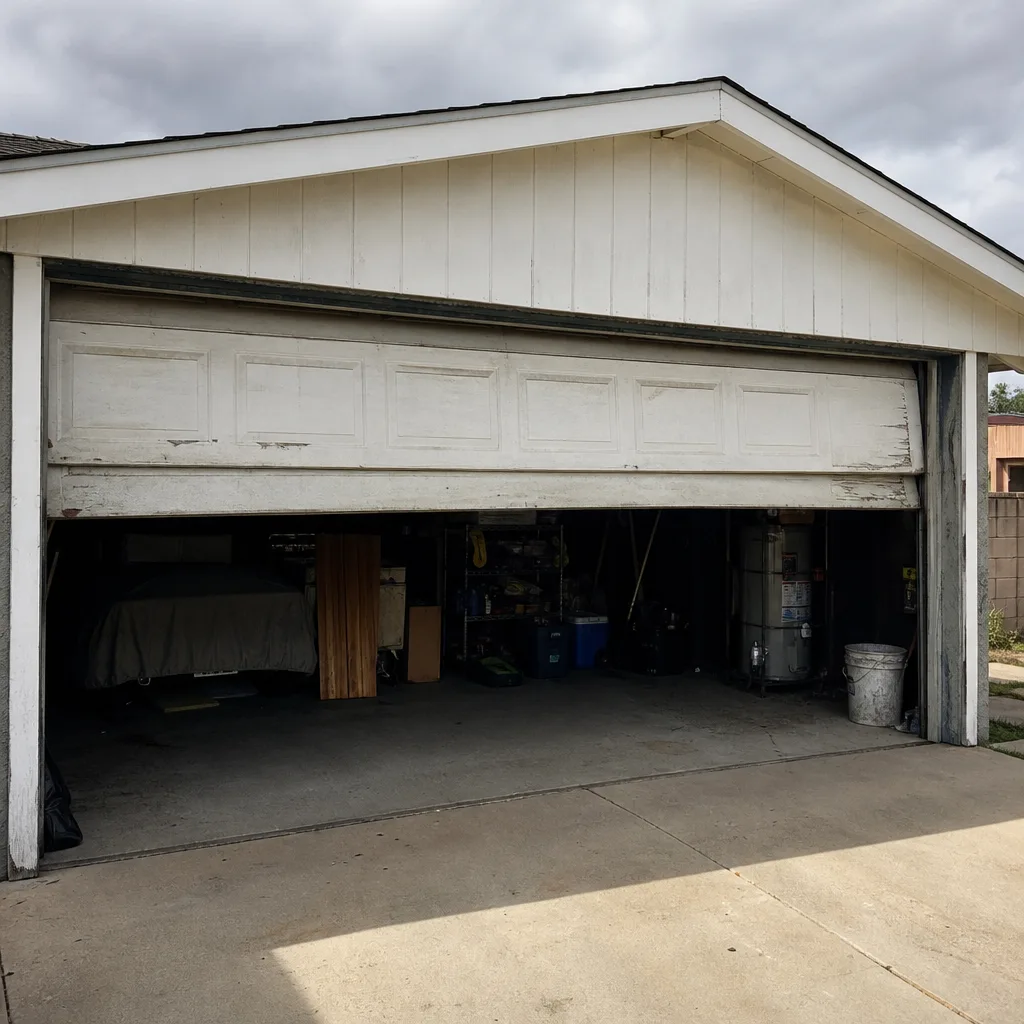 Before
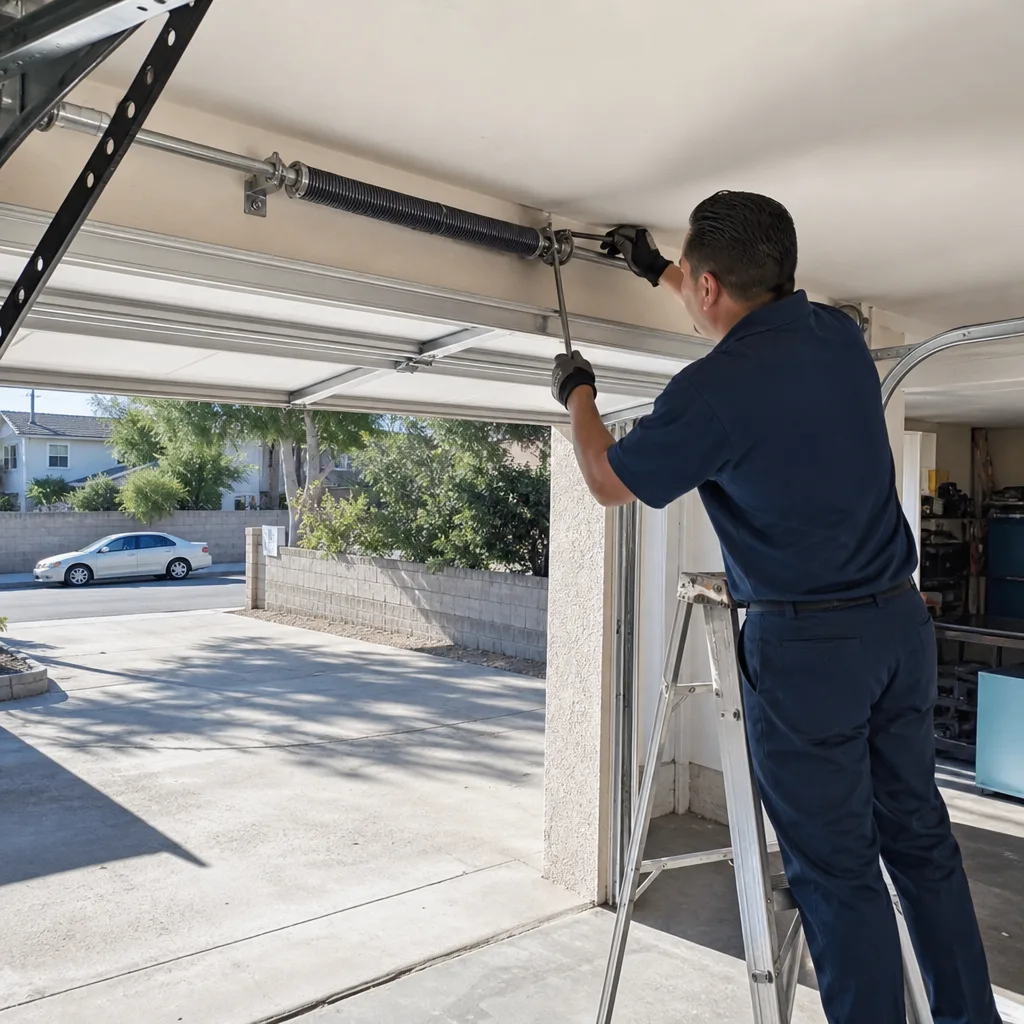 After