
Last updated November 2, 2026
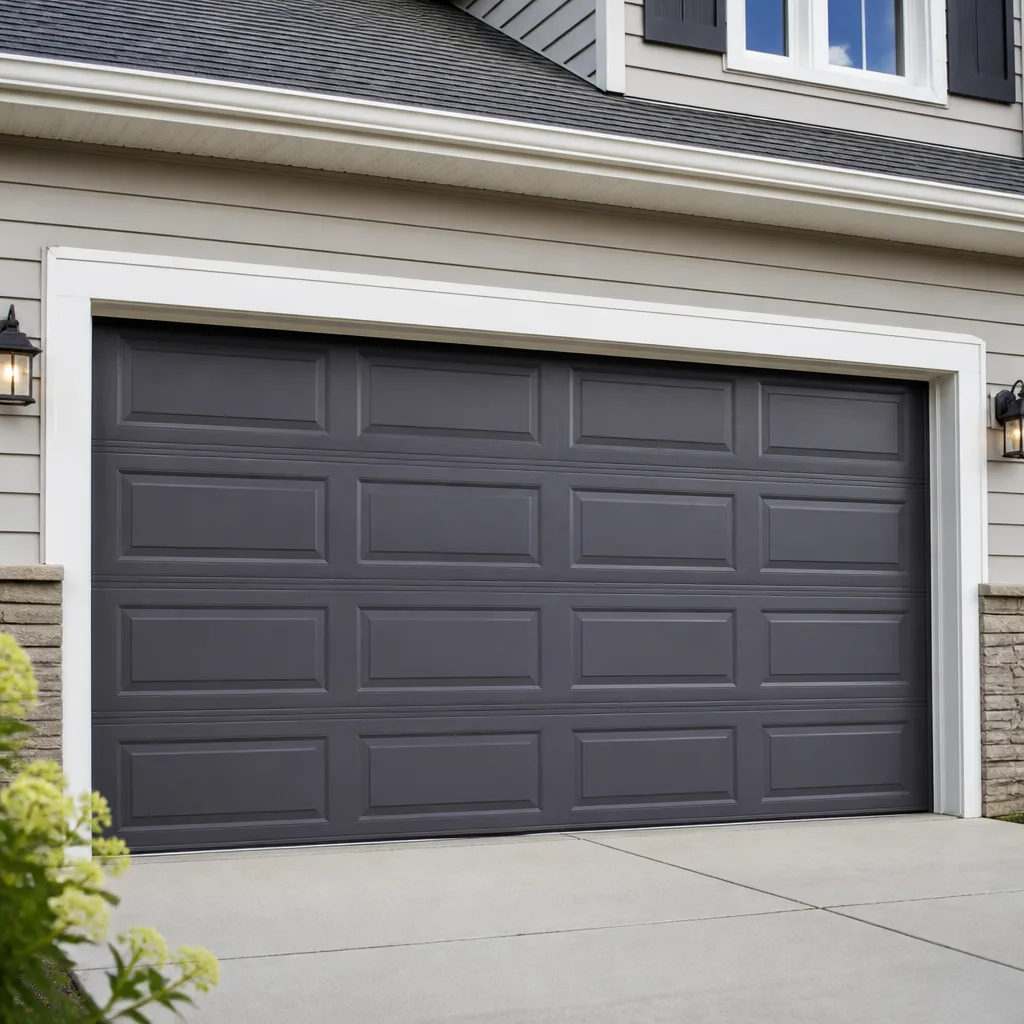 Raised-panel steel
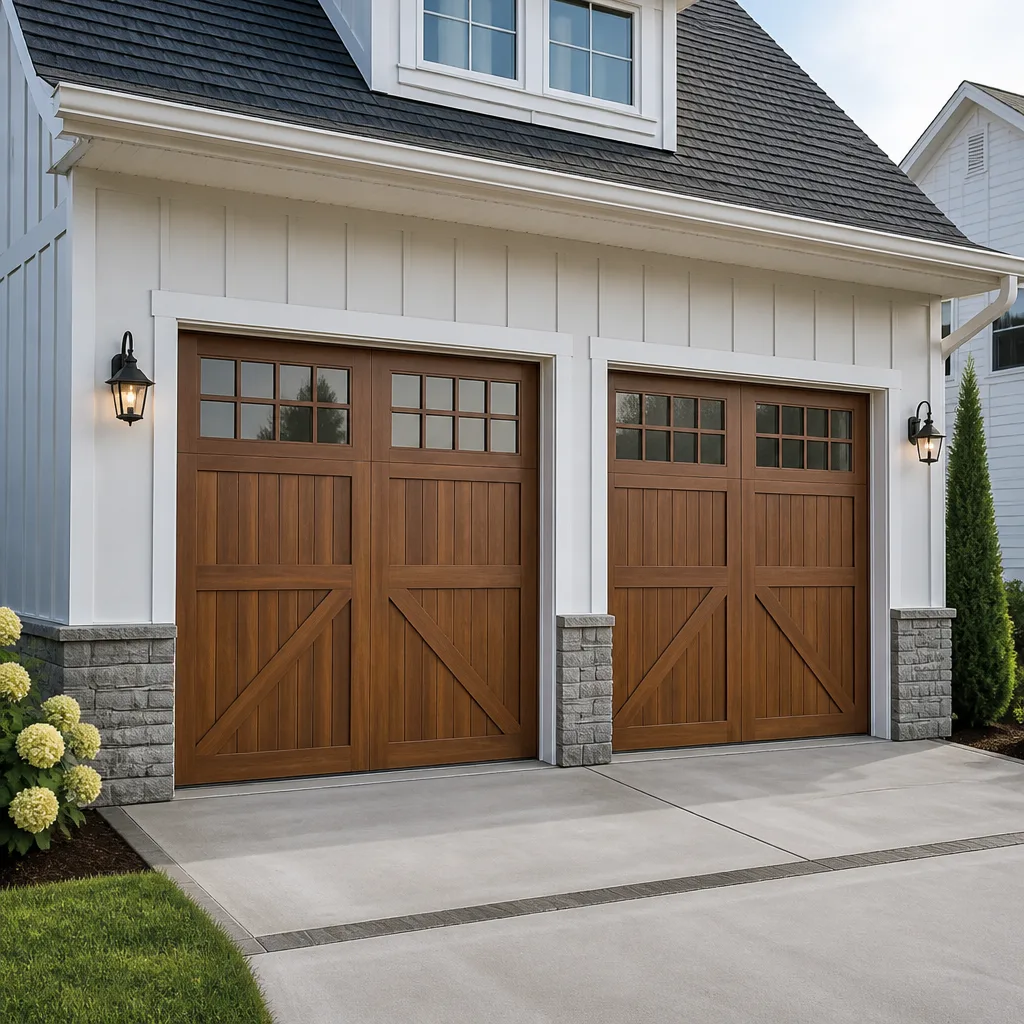 Carriage house
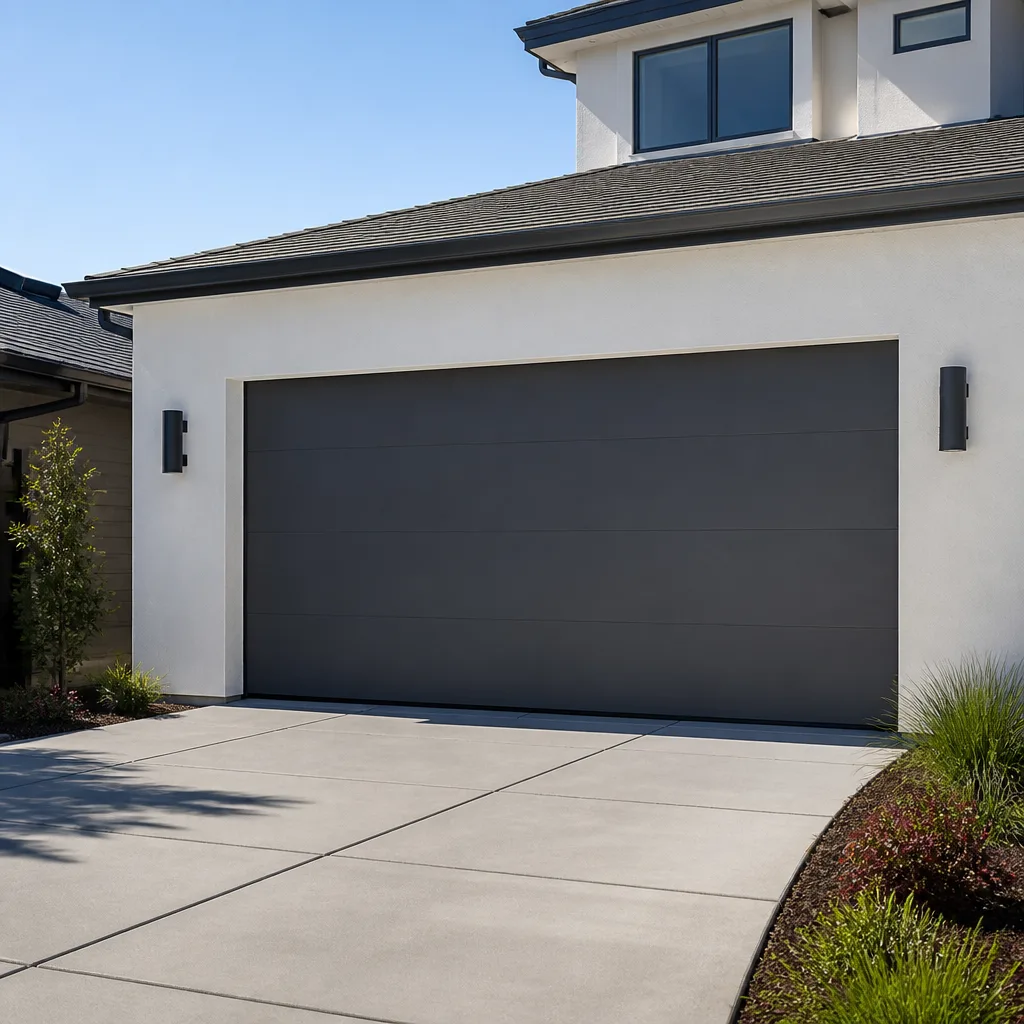 Modern flush
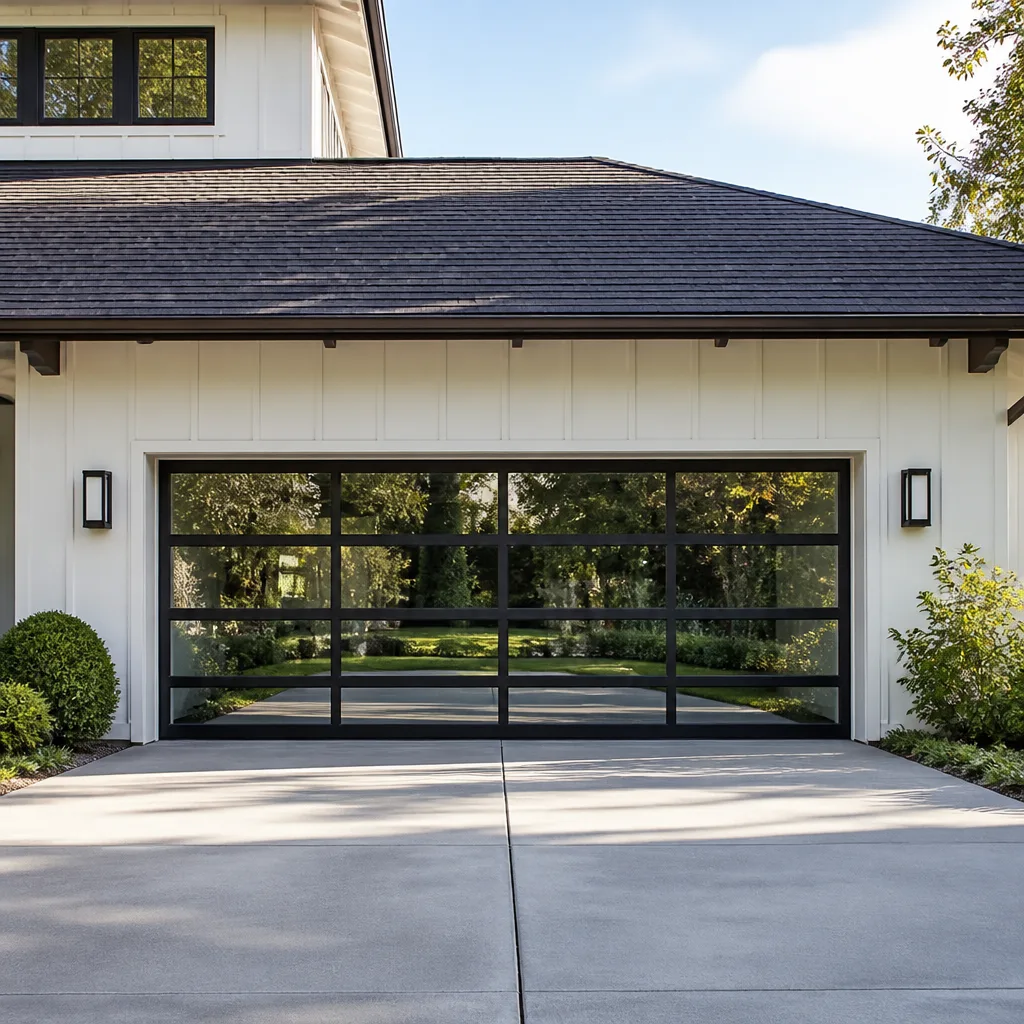 Full-view glass
 LiftMaster openers
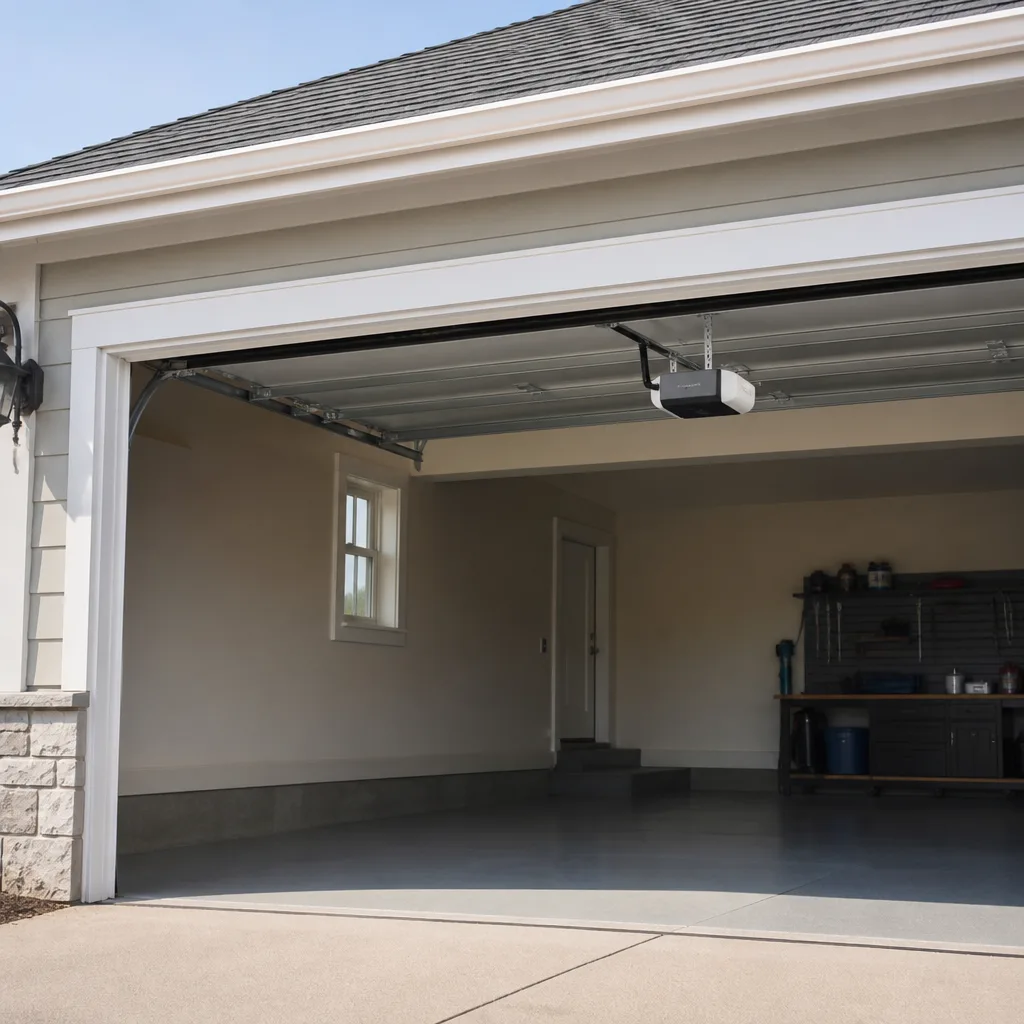 Chamberlain openers
Full 25-point door and opener safety check with every visit - springs, cables, rollers, tracks, and your LiftMaster or Chamberlain opener included
You get a price before we start. It does not change when the truck arrives.
Get your free estimateGarage Door Emergency Preparedness Guide for Glendale Homes
During the 2019 Hillside fire in Glendale, multiple homeowners reported being unable to manually release their garage door openers under stress. Not because the release cord wasn’t there, but because they’d never practiced using it and couldn’t locate it in the dark with smoke filtering through the air. A garage door is the largest moving object in most Glendale homes, and when it fails during an emergency, the consequences ripple far beyond inconvenience. This guide from Suncrest Garage Door Repair – along with our Garage Door Repair Troubleshooting: Common Problems and How to Fix Them – covers the two scenarios most preparedness checklists ignore entirely: the mechanical failure that strands your car, and the wildfire evacuation scenario where your garage door becomes a life-safety exit. You’ll learn exact manual release procedures for the openers most common in Glendale, what California law requires for battery backup, and how to secure a door that won’t close.
Styles & brands we work with
- Raised-panel steel
- Carriage house
- Modern flush
- Full-view glass
- LiftMaster openers
- Chamberlain openers
Quick Answer
Garage door emergency preparedness in Glendale means three things: knowing the manual release procedure for your specific opener brand, confirming your opener has working battery backup (required by California SB 969 for all openers sold or installed after July 1, 2019), and maintaining the springs and cables that fail most often in Glendale’s climate. The most important emergency skill you can learn is pulling the red emergency release cord, which disengages the opener and lets you lift the door by hand. If your door won’t open during a power outage and your opener lacks battery backup, the manual release is your only way out without a technician.
Table of Contents
- How to Manually Release Your Garage Door: Brand-by-Brand Instructions
- California SB 969: Battery Backup Requirements for Glendale Homes
- Door Stuck Open vs. Door Stuck Closed: Why the Protocol Differs
- How to Secure a Garage Door After an Opener Failure or Break-In
- Glendale Wildfire Evacuation: The Garage Door as an Exit Path
- Building Your Emergency Contact Plan: Information Technicians Need
- Seasonal Maintenance for Glendale’s Climate: Preventing Emergencies
- Common Mistakes to Avoid
- When to Call a Professional
- Frequently Asked Questions
- The Bottom Line
How to Manually Release Your Garage Door: Brand-by-Brand Instructions
Every garage door opener installed in the last 40 years has a manual release mechanism. It’s a cord, almost always red, that hangs from a trolley attached to a rail above your car. Pulling it disconnects the door from the opener’s drive system so you can lift the door by hand. The problem in an emergency is that the cord looks slightly different depending on the opener brand, and homeowners who haven’t practiced locating it will fumble when seconds count.
Here’s what the release looks like on the five opener brands we see most often in Glendale homes:
Chamberlain and LiftMaster
These two brands share the same parent company and nearly identical mechanisms. The release is a red plastic handle on a short cord hanging from the center rail, roughly above where the driver’s side door sits when the car is parked. Pull straight down once, firmly. You’ll hear a click, and the door will feel loose when you lift it. The handle is red plastic, about 4 inches long, with a rounded grip end. On newer Chamberlain models with a belt drive, the cord hangs about 6 feet off the ground, within easy reach.
Genie
Genie openers use a red cord with a small plastic T-handle at the end. It hangs from the trolley carriage on the rail, usually positioned slightly toward the motor unit rather than dead center. Pull down and back toward the garage interior. You should feel the trolley disengage. On Genie screw-drive units common in older Glendale ranch homes, the release cord can be harder to spot because it blends with the silver rail. Shine a flashlight up if you can’t find it immediately.
Craftsman
Craftsman openers, particularly the chain-drive models installed heavily in the 1990s and early 2000s, use a red rope-style cord with a cylindrical plastic handle. It hangs from a metal trolley on the rail. The pull direction is straight down, then release. You’ll hear a metallic clunk as the carriage separates. Many Glendale homes built during the 1980s and 1990s housing boom still have these original Craftsman units, and the cords are often stiff from age. Practice pulling it twice a year so it doesn’t surprise you during an emergency.
Raynor
Raynor openers are less common but present in enough Glendale homes that you should know what to look for. The manual release is a red cord with a small plastic ball or cylinder at the end, hanging from the trolley on the rail. The cord is typically shorter than on Chamberlain or Genie units. Reach up, grip the handle firmly, and pull toward the door. If the cord has snapped or the handle has broken off, you can still manually release the trolley by pulling the lever directly on the carriage, but that requires a stepladder and a flashlight.
What to Do After the Manual Release
Once the opener is disengaged, lift the door with both hands using the handles or the bottom edge. A properly balanced door weighs 8 to 15 pounds when lifted by hand and stays open on its own. If you’re lifting a door that feels like it weighs 50 pounds or more, the springs have failed and you need a technician. In that case, do not force the door. Forcing it can snap a cable and send the door crashing down. We cover Garage Door Repair in Glendale for exactly these failures, and we’ve walked dozens of homeowners through this over the phone.
To re-engage the opener after the emergency passes: pull the release cord again until it locks, then run the opener. It will reconnect automatically on most modern units. On older openers, you may need to run the motor until the trolley passes over the carriage and clicks back in. Do this with the door in the fully closed position.
California SB 969: Battery Backup Requirements for Glendale Homes
California Senate Bill 969, which took effect July 1, 2019, requires that every garage door opener sold or installed in the state include battery backup – one of several requirements covered in our overview of Garage Door Permits, Codes & Inspections in CA: What You Need to Know. The law was written after the 2017 Tubbs Fire in Sonoma County, where several residents died in their garages trying to open doors during a power outage. Glendale homeowners, living in a high wildfire-risk zone, should treat this law as a survival requirement, not a compliance footnote.
Here’s what SB 969 means for you in practical terms:
- If your opener was installed after July 2019: It has battery backup. The battery sits inside the motor housing and provides enough power for roughly 20 to 50 open-close cycles during an outage, depending on the model. Chamberlain and Genie both manufacture SB 969-compliant units, and we install and service both.
- If your opener predates July 2019: It likely has no battery backup. This describes a substantial number of homes in Glendale’s established neighborhoods like Rossmoyne, Verdugo Woodlands, and Adams Hill, where original opener units are still running. Your emergency plan must account for manual release as your primary exit path.
- Batteries degrade: Even if your opener has backup power, the battery loses capacity over 3 to 5 years. Most units emit a warning beep or flashing light when the battery is dying, but homeowners often miss the signal because it’s intermittent. Test your battery backup monthly by unplugging the opener and running the door. If it moves sluggishly or not at all, the battery needs replacement.
Testing your battery backup takes less than a minute. Unplug the power cord from the ceiling outlet. Press the wall button to open the door. If the door opens at normal or slightly reduced speed, your battery works. Plug the unit back in. If the door won’t move, your battery has failed and you need a replacement. For openers sold before 2019, there is no retrofit battery option for most models. The practical fix is planned replacement with a compliant unit, which also brings quieter operation and smart-home compatibility. Our Garage Door Opener Repair in Glendale service diagnoses battery failures and can replace the battery on most post-2019 Chamberlain, Genie, and LiftMaster units same-day.
One more Glendale-specific note: power outages during Santa Ana wind events don’t just hit from fire risk. Utility companies preemptively shut off power during high-wind conditions to prevent downed-line ignitions. If you live in the Verdugo foothills or Chevy Chase Canyon, you’ve almost certainly experienced a Public Safety Power Shutoff. Your garage door opener is dead during those events unless it has working battery backup. That’s not a hypothetical emergency; it’s a seasonal reality.
Door Stuck Open vs. Door Stuck Closed: Why the Protocol Differs
A garage door stuck halfway or fully open is a security emergency. A garage door stuck closed is an access emergency. The fixes are different, and treating them as the same problem can cause expensive damage.
Door Stuck Open
If your door is stuck open and won’t close, the most likely culprits are the photo-eye sensors, the close-force setting, or a broken spring. Check the sensors first: two small boxes mounted on either side of the door track, about 4 inches off the ground. If the small LED light on either sensor is off or blinking, the sensor is misaligned or blocked. Wipe the lens with a dry cloth and gently nudge the sensor back into alignment. If the sensors look fine but the door reverses when trying to close, the close-force setting may be too sensitive, or a roller may be binding in the track.
During the time between failure and repair, you have a security hole: your garage and everything in it is exposed. A door stuck open in a Glendale alley-facing garage is an invitation. You can reduce risk by parking a car across the opening, if possible, or draping a tarp and securing it with bungee cords as a temporary visual barrier. But recognize that a tarp is a deterrent, not a lock. The real fix is repairing the opener or spring promptly. For spring failures, do not attempt repair yourself. A broken torsion spring holds enormous stored energy, and the opener repair work in Glendale we do regularly involves doors where an attempted DIY fix compounded the original failure into a multi-component job.
Door Stuck Closed
A door stuck closed usually means the opener has failed, a spring has broken, or the door itself has come off its track. The critical warning here: do not force a door that’s stuck closed. If the opener’s motor is trying to lift a door with a broken spring, the motor can burn out, and worse, the cables can snap under tension. A snapping cable on a torsion spring system is a violent event that can seriously injure anyone nearby.
The correct protocol: pull the manual release cord and try lifting the door by hand. If it lifts smoothly and stays up, your springs are fine and the failure is isolated to the opener. If it feels heavy or won’t budge, a spring has failed. At that point, leave it alone and call a professional. We arrive at Glendale homes with trucks stocked for spring replacement on the first visit, because we know from experience which spring sizes are most common in the tract homes and custom builds across the city.
The stuck-closed scenario during a fire evacuation is the most dangerous. If you can’t lift the door manually, you can’t get your car out. This is why the manual release practice and battery backup testing matter so much. They’re the difference between a 30-second exit and being trapped in your garage.
How to Secure a Garage Door After an Opener Failure or Break-In
When your opener dies or someone breaks into your garage, you need to secure the door immediately, then get it properly repaired. Temporary solutions matter, but many of the ones homeowners attempt don’t actually hold.
Here’s what works, what doesn’t, and how to do it right:
- Disconnect the opener first. If the opener has failed, pulling the emergency release cord prevents the motor from randomly engaging and breaking something. If there’s been a break-in, the intruder may have used the release cord to open the door from outside. Disconnecting the opener means the door can only be moved by hand.
- Use a C-clamp or locking pliers on the track. A 6-inch C-clamp tightened onto the track directly above one of the rollers physically blocks the door from being lifted. This is the strongest temporary lock you can install without hardware. We recommend keeping a C-clamp in your garage for exactly this purpose. Position it on the vertical track about chest height, tight against a roller.
- Insert a padlock through a track hole. Many Glendale garage door tracks have pre-drilled holes along the side for locking bars. If your track has these holes, a padlock or a bolt through the hole above a roller will prevent the door from opening. If your track lacks the holes, skip to the C-clamp method.
- Do not rely on a broomstick in the track. This is a common homeowner attempt: wedging a broom handle or 2×4 diagonally against the door. It fails under pressure because the door’s bottom panel bows and the stick slips. It also scratches the door face and can dent the bottom seal.
- Do not rely on a zip tie through the track. A zip tie above a roller snaps under the weight of an assisted lift. This is a visual deterrent only.
After a break-in, the opener’s release cord has likely been fished from outside using a coat hanger through the top seal of the door. This is a known method that works on doors with a top panel gap. The permanent fix is installing a garage shield or release-cord cover, which blocks access to the cord from outside. We’ve installed these for Glendale homeowners in areas like Crescenta Highlands and Montrose where break-ins tend to follow a pattern: a car window smashed for the remote, then a return visit for the garage. A shield costs far less than the contents of a typical garage workbench.
If your failed opener is beyond repair and you’re considering what comes next, our Garage Door Installation in Glendale service handles full replacements. We work on the door you have, not the one we want to sell you. That means if your door panels are sound and the problem is only the opener, we’ll say so plainly and repair the opener instead of selling you a new door.
Glendale Wildfire Evacuation: The Garage Door as an Exit Path
Glendale sits in a wildfire corridor. The Verdugo Mountains to the north and the San Rafael Hills to the east create a fuel-rich landscape that has burned repeatedly in living memory, from the 2019 Hillside fire to the 2017 La Tuna fire that scorched over 7,000 acres across the Glendale and Burbank border. During evacuation, the garage door is often the exit homeowners choose because the car is already there and the driveway points toward the escape route. That’s smart planning, but only if the door works.
Here’s what you need to know about your garage door as an evacuation asset:
- Battery backup is your first line of defense. When the power drops before or during an evacuation, a battery-backed opener still opens the door normally. You press the wall button or your car’s built-in remote, the door rises, and you drive out. No fumbling, no manual release, no delay.
- Manual release is your second line. If your opener lacks battery backup or the backup has failed, the manual release cord is the only way to open the door. Practice finding it in the dark. Your garage should have a flashlight mounted near the interior door, and every adult in the household should know the release procedure. The 2019 Hillside fire experience showed that under stress, homeowners forgot the cord existed, pulled it the wrong direction, or couldn’t find it through smoke.
- Smoke reduces visibility to near zero. Even in a garage with windows, smoke from a wildfire can fill the space fast. If you’re evacuating at night with smoke entering the garage, you have seconds, not minutes, to find the release cord. Mount a small LED indicator light or glow strip near the cord so it’s visible in the dark and through smoke. This costs under $20 and takes five minutes to install.
- Open the door before opening the car’s garage door remote. It sounds obvious, but in an emergency, people get in the car first and press the remote. If the opener doesn’t respond, they panic. Open the garage door first, then enter the car. This sequence eliminates the possibility of sitting in a sealed garage with a non-responsive door while smoke builds outside.
- If the door fails during evacuation, do not waste time trying to fix it. Leave through a different exit. Your front door, a side gate, a window. Equipment can be replaced; your exit time cannot. We say this as technicians who fix garage doors: no door repair is worth delaying an evacuation by even two minutes.
After the evacuation order lifts and you return home, inspect your garage door for heat damage. Glowing embers can warp door panels, particularly on older wooden doors in Glendale’s historic neighborhoods like Rossmoyne and Brockmont. Warped panels bind in the tracks. A door that was fine before the fire may now be stuck or operating roughly. Suncrest Garage Door Repair offers free estimates across Glendale, and we’ll tell you honestly whether your door needs panel replacement, track adjustment, or full replacement.
Building Your Emergency Contact Plan: Information Technicians Need
When your garage door fails and you call a repair company, the information you provide determines whether the technician arrives with the right parts on the first truck. In Glendale, where home sizes and door configurations vary widely, that information matters even more.
Here’s what to write down today and keep somewhere accessible, like the inside of a kitchen cabinet or a note on your phone:
- Door model and manufacturer. Look for a label on the inside of the door panel, usually near the bottom edge or on the top section. It will list the manufacturer (Clopay, Amarr, Wayne Dalton, or another brand) and the model or series number. If you don’t see a label, a photo of the door’s inside panel pattern can help us identify it.
- Opener brand and approximate age. Chamberlain, Genie, LiftMaster, Craftsman, and Raynor all appear regularly in Glendale homes. Knowing which one you have tells us what parts to bring and whether battery backup applies. If you don’t know the age, the year you moved in is a useful baseline.
- Spring type: torsion or extension. Torsion springs sit on a metal bar above the door opening and look like thick, coiled springs. Extension springs hang alongside the horizontal tracks on either side. This information tells us what to load on the truck before we dispatch.
- What exactly the door is doing. Not “broken,” but the specifics: “door opens 6 inches then reverses,” or “loud bang and now the opener runs but the door doesn’t move,” or “door is stuck halfway and the cables are hanging loose.” The more precise the description, the better we can prepare.
- Your cross streets or neighborhood. Glendale is a city of hills. Homes in the Verdugo foothills have different access constraints than flatland homes in the Adams Hill flats. Knowing your neighborhood helps us route the right truck with the right equipment.
We cover all three repair categories at Suncrest Garage Door Repair: door-specific mechanical repair, opener-specific motor and remote repair, and full installation. When you call with the information above, we can often tell you over the phone what the likely cause is and what the repair will cost before we arrive. That’s not a trick; it’s just the benefit of a contractor who works exclusively on garage doors and sees the same failure patterns across Glendale daily.
Seasonal Maintenance for Glendale’s Climate: Preventing Emergencies
Glendale’s climate is hard on garage door components in ways homeowners don’t anticipate. The combination of summer heat that regularly pushes into the 90s and 100s, dry Santa Ana winds, and the temperature swings between day and night accelerate wear on springs, cables, and opener electronics.
Here’s a seasonal maintenance schedule that prevents most emergencies:
Spring (March through May)
- Inspect cables for fraying. Cables run through pulleys near the bottom brackets and up along the tracks. Fraying cables are a failure waiting to happen, usually at the worst possible moment.
- Test the auto-reverse function by placing a block of wood under the closing door. The door should reverse within 2 seconds of contact. If it doesn’t, the safety circuit needs repair.
- Clean photo-eye lenses with a soft dry cloth. Santa Ana winds deposit fine dust on everything, and dirty sensors are the number one cause of “door won’t close” calls we get in spring.
Summer (June through September)
- Lubricate hinges, rollers, and springs with a garage-door-specific lubricant. Do not use WD-40, which washes out the existing grease. A lithium or silicone spray lubricant applied to hinge pins and bearing points keeps the door quiet and reduces wear.
- Check weatherstripping along the bottom and sides. Glendale’s dry heat cracks rubber seals over time. Replacing them keeps dust out and maintains the door’s seal.
- Listen for grinding or squealing during operation. A door that’s getting louder is telling you something. Catching a failing bearing or dry roller early is a $150 fix; ignoring it is a $500 rail replacement later.
Fall (October through December)
- Test battery backup before Santa Ana wind season peaks. Unplug the opener and run the door. If it moves slowly or not at all, replace the battery now.
- Inspect the emergency release cord for stiffness or fraying. A cord that’s stiff from age and heat may snap when you pull it hard. Replacement is a 10-minute job we can do during any service call.
- Check spring balance by pulling the manual release and lifting the door halfway. It should stay put. If it drops or rises on its own, the springs are wearing and need adjustment or replacement before they fail completely.
Winter (January through February)
- Run a full open-close cycle and watch for hesitation or uneven movement. Cold snaps can cause metal to contract and expose marginal components.
- Inspect all bolts and brackets on the track and hinges for looseness. A rattle during operation is a loose bolt working its way out.
- Review your emergency contact plan and make sure the information is current. Door model, opener brand, spring type. Tuck the note in a place you’ll find it, even at 2 a.m.
Preventive maintenance won’t stop every emergency, but it eliminates the majority. In our experience, the doors that fail catastrophically are almost always the ones that haven’t been lubricated in years and have springs that were visibly worn for months before they snapped.
Common Mistakes to Avoid
- Never practicing the manual release. Knowing the release cord exists is not the same as being able to find and pull it in the dark, under stress, with smoke in the air. Practice every six months. It takes 30 seconds.
- Forcing a door that’s stuck closed. If the door won’t lift after pulling the manual release, the spring has likely failed. Forcing it can snap cables and send the door crashing down. This is the mistake that turns a $300 spring repair into a $1,200 multi-component job.
- Ignoring the photo-eye sensors. When a door reverses on closing, most Glendale homeowners assume the opener is dying. More often, the sensors are dirty or knocked out of alignment. Clean and align them before calling for service.
- Leaving the garage door remote visible in a parked car. In Glendale, a remote clipped to a sun visor is an invitation. A break-in for the remote is followed by a garage visit. Use a keychain remote instead, or take the remote inside.
- Assuming battery backup lasts forever. Battery cells degrade. If your opener is five years old and has never had a battery replacement, it almost certainly doesn’t hold a full charge. Test it monthly during fire season.
- Using WD-40 on garage door parts. WD-40 is a solvent, not a lubricant. It strips existing lubrication and accelerates wear on hinges, rollers, and springs. Use garage-door-specific spray lubricant.
- Delaying spring replacement after hearing a loud pop. A broken spring is not a “wait and see” repair. The door weighs 150 to 300 pounds and becomes a manual-lift hazard the moment the spring goes. Call immediately.
When to Call a Professional
Some garage door problems are homeowner-fixable: cleaning photo-eye sensors, tightening a loose bolt, replacing a remote battery. Others require a trained technician with specialized tools and, frankly, the right respect for the stored energy in a torsion spring system.
Call a professional when: a spring has broken and the door won’t lift manually; a cable has snapped or is hanging loose; the door has come off its track; the opener runs but the door doesn’t move; you hear grinding or metal-on-metal sounds during operation; or the door won’t close and you’ve already cleaned and aligned the photo-eye sensors. These failures involve tension, torque, or electrical components that can cause serious injury when mishandled.
Suncrest Garage Door Repair offers free estimates in Glendale. Call (855) 473-2620 and describe what’s happening. We’ll give you an honest assessment over the phone, then arrive with the right parts on the first truck. We work on the door you have, not the one we want to sell you. That means if repair makes sense, we repair. If replacement is the smarter long-term move, we’ll walk you through the numbers and let you decide.
Frequently Asked Questions
Pull the red emergency release cord hanging from the rail above your car, then lift the door by hand. The cord disengages the opener’s drive system. If your opener has working battery backup (required for units installed after July 2019), the opener will still work normally during an outage, but the manual release is your fallback if the battery has failed. Call (855) 473-2620 if you’ve pulled the release and the door still won’t lift, which indicates a spring failure.
Garage door spring repair in Glendale typically runs between $180 and $340 depending on the door size, spring type, and whether one or both springs need replacement. We quote the exact price before any work starts, so there’s no surprise on the invoice. The price you’re quoted is the price you pay. Call (855) 473-2620 for a free estimate based on your specific door.
Yes. California SB 969 requires every garage door opener sold or installed after July 1, 2019 to include battery backup. If your opener predates that date, it’s exempt but likely lacks backup power. We recommend testing your existing unit monthly and considering a compliant replacement if evacuation readiness matters to you, which it should in Glendale’s wildfire corridor.
In most cases, yes. We stock the most common spring sizes, cables, and opener parts for Glendale homes on our trucks, and we prioritize repair calls based on whether the door is stuck open or stuck closed. A door stuck open is a security risk; we get there fast. Call (855) 473-2620 and tell us what’s happening. We’ll give you a straight answer on timing.
The price quoted before work begins is the price you pay, period. We don’t do the bait-and-switch pricing that’s unfortunately common in this trade. If we discover additional damage during the repair, we’ll explain it, show you what we found, and give you a new quote before doing any additional work. You approve everything before we proceed.
We carry the most common parts for Glendale’s housing stock on our trucks: torsion springs in standard sizes, cables, rollers, photo-eye sensors, and opener remotes for Chamberlain, Genie, LiftMaster, and Craftsman units. For less common parts like specialty opener circuit boards or custom panel sizes, we may need to order, but we’ll tell you that upfront before you commit.
The Bottom Line
Your garage door is more than a convenience. In Glendale, it’s a potential evacuation route during wildfire season, a security barrier for the most valuable storage space in your home, and a mechanical system that needs the same maintenance attention as your car or your HVAC. Learn the manual release procedure for your specific opener brand. Test your battery backup monthly, especially during Santa Ana wind season. Keep a C-clamp in the garage for emergency lockdown. Write down your door model, opener brand, and spring type so when you call, the technician arrives with the right parts. And when a spring snaps, a cable frays, or an opener dies, call (855) 473-2620. Suncrest Garage Door Repair works on the door you have, serves all of Glendale, and quotes the price before the work starts. No surprises, no upsells, just a door that works when you need it.
Written by the team at Suncrest Garage Door Repair, serving Glendale since 2014. Explore more guides & resources on our blog.
See the difference
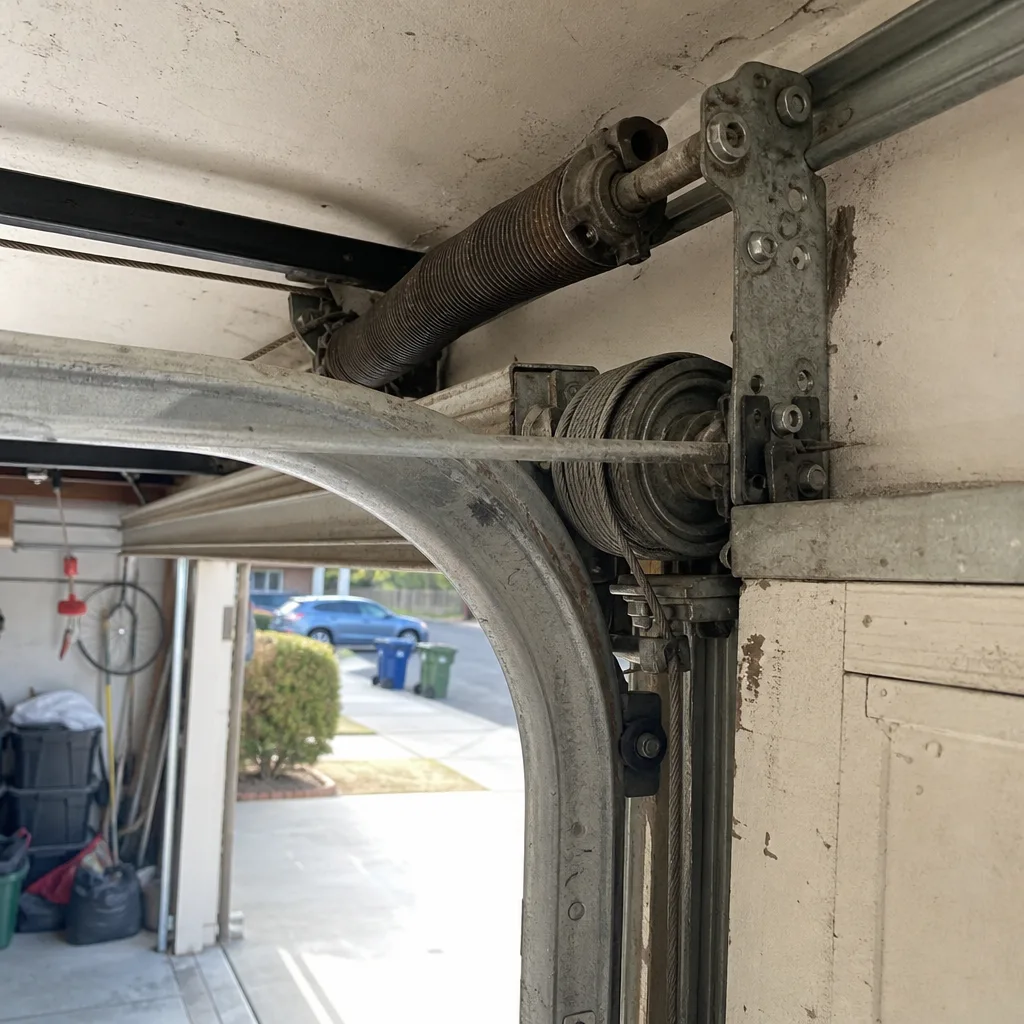 Before
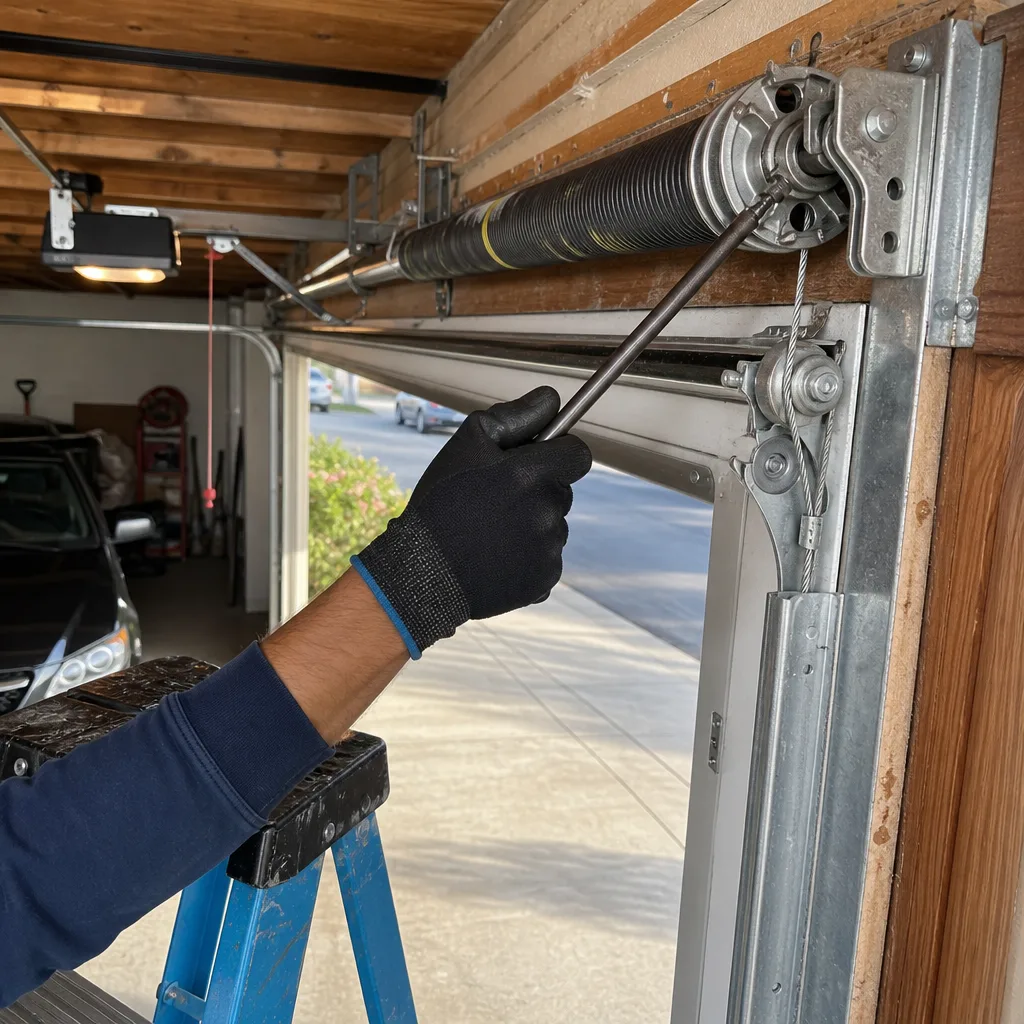 After
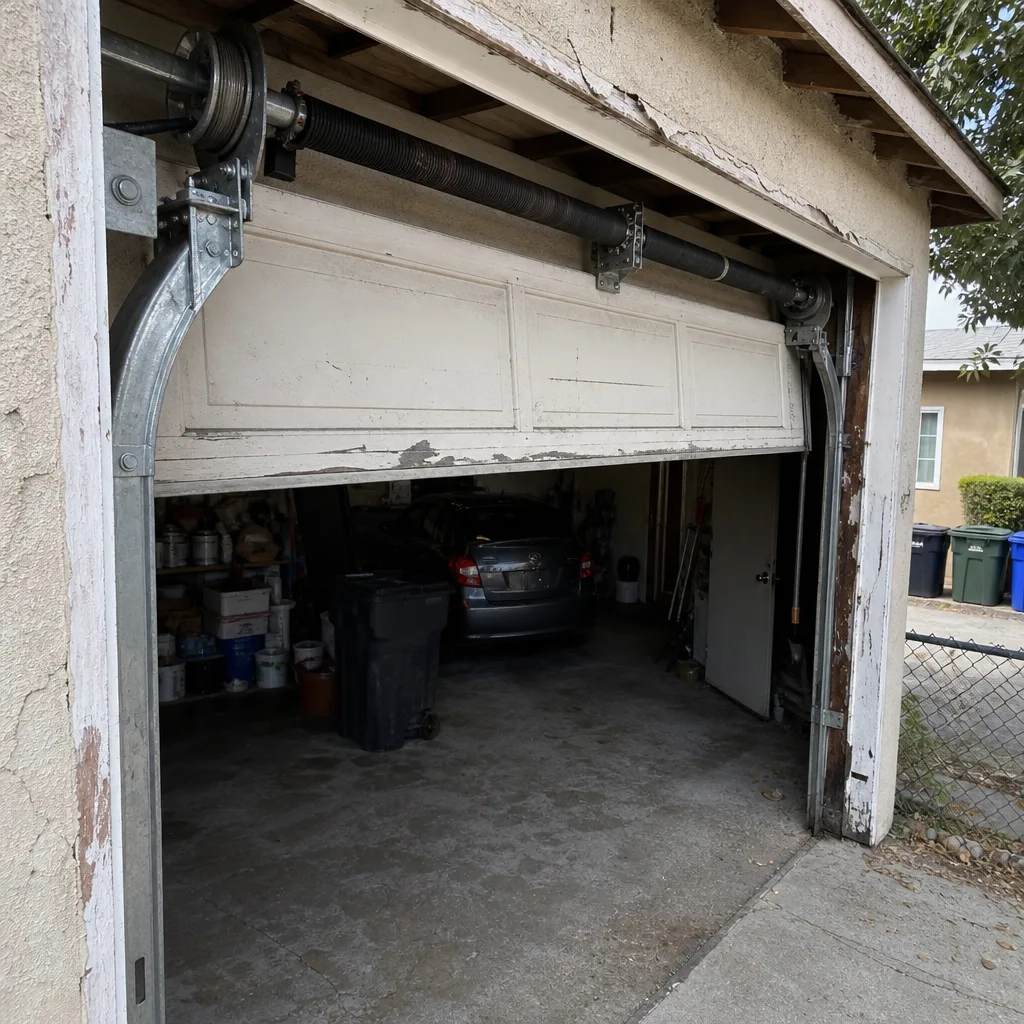 Before
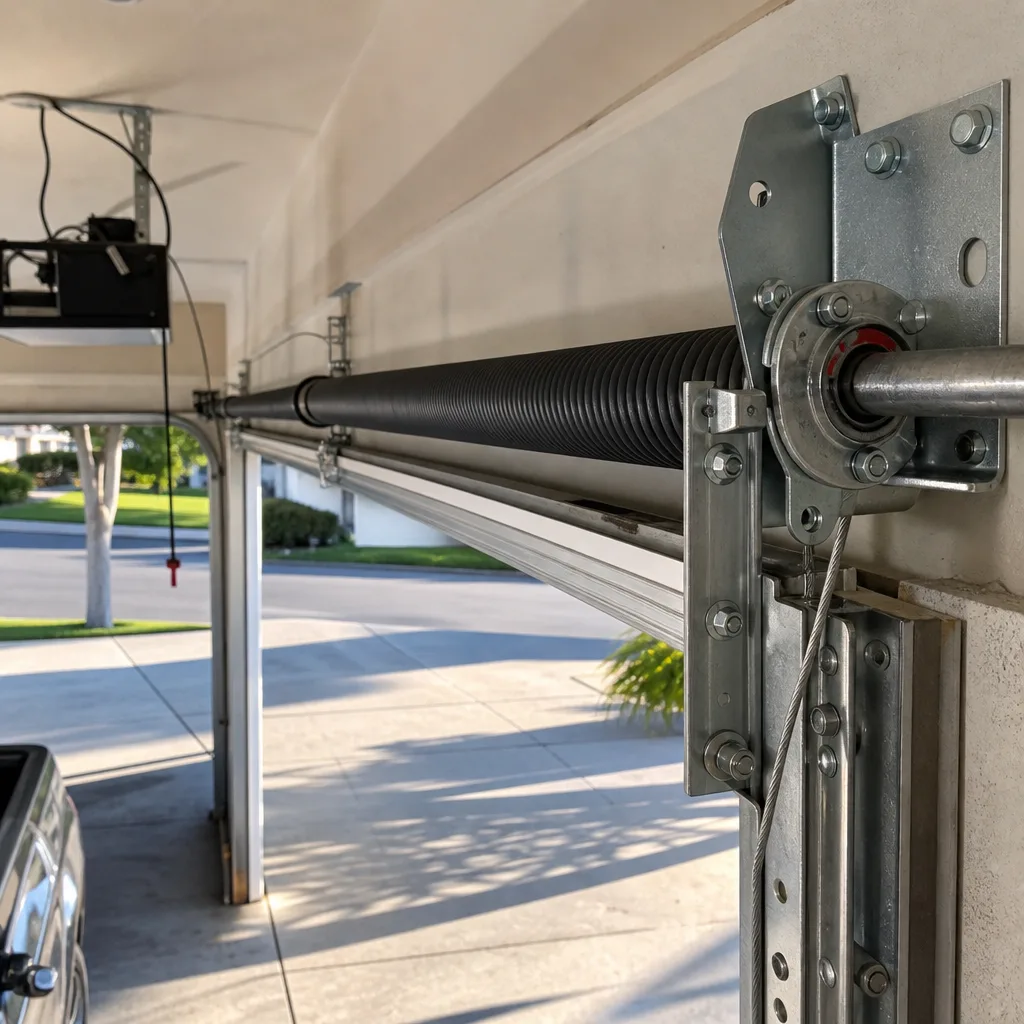 After
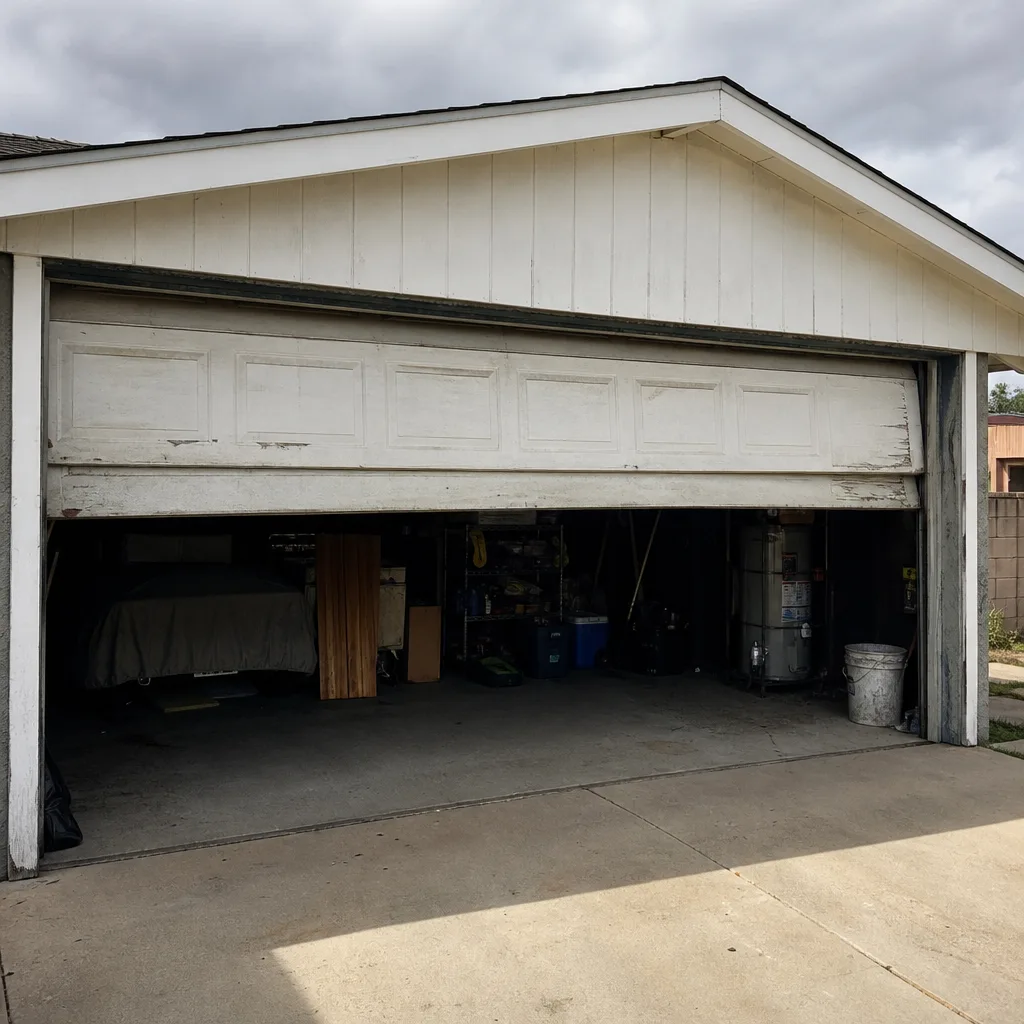 Before
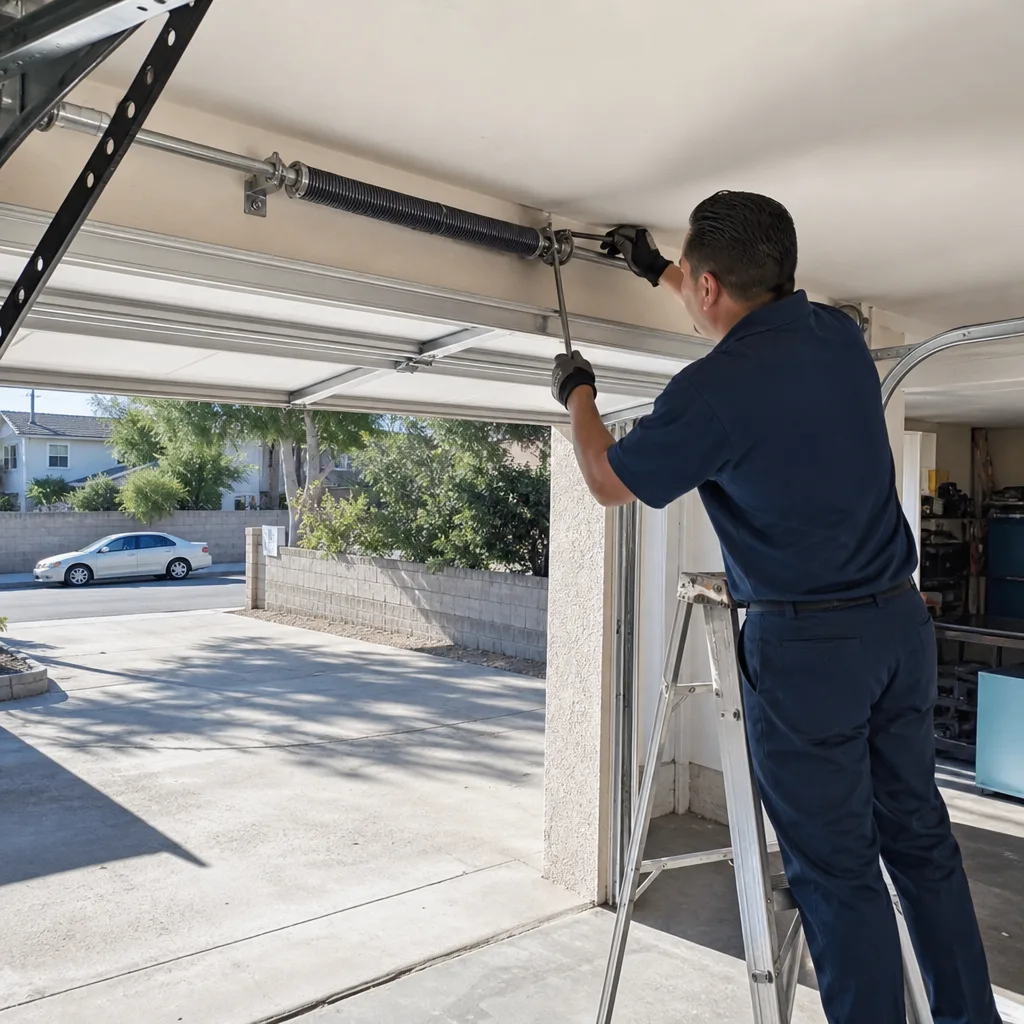 After