
Last updated November 2, 2026
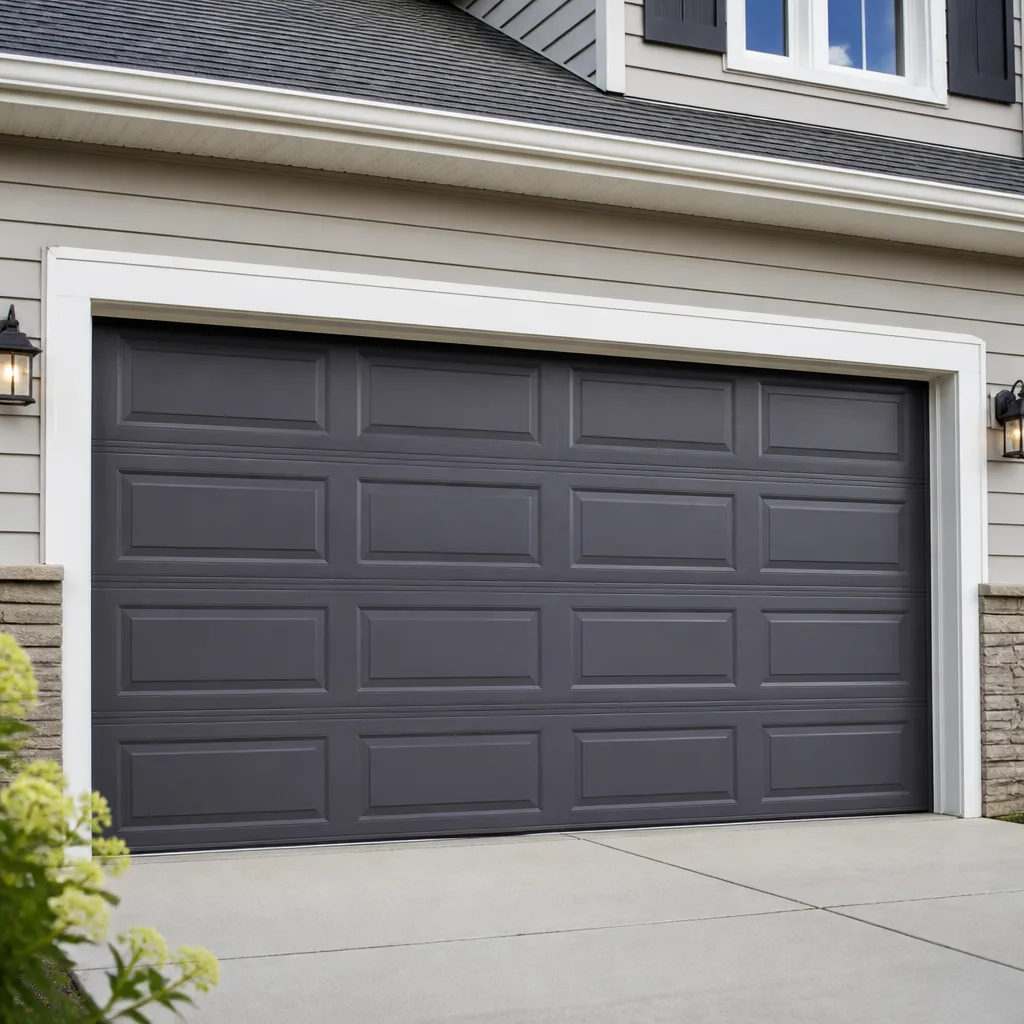 Raised-panel steel
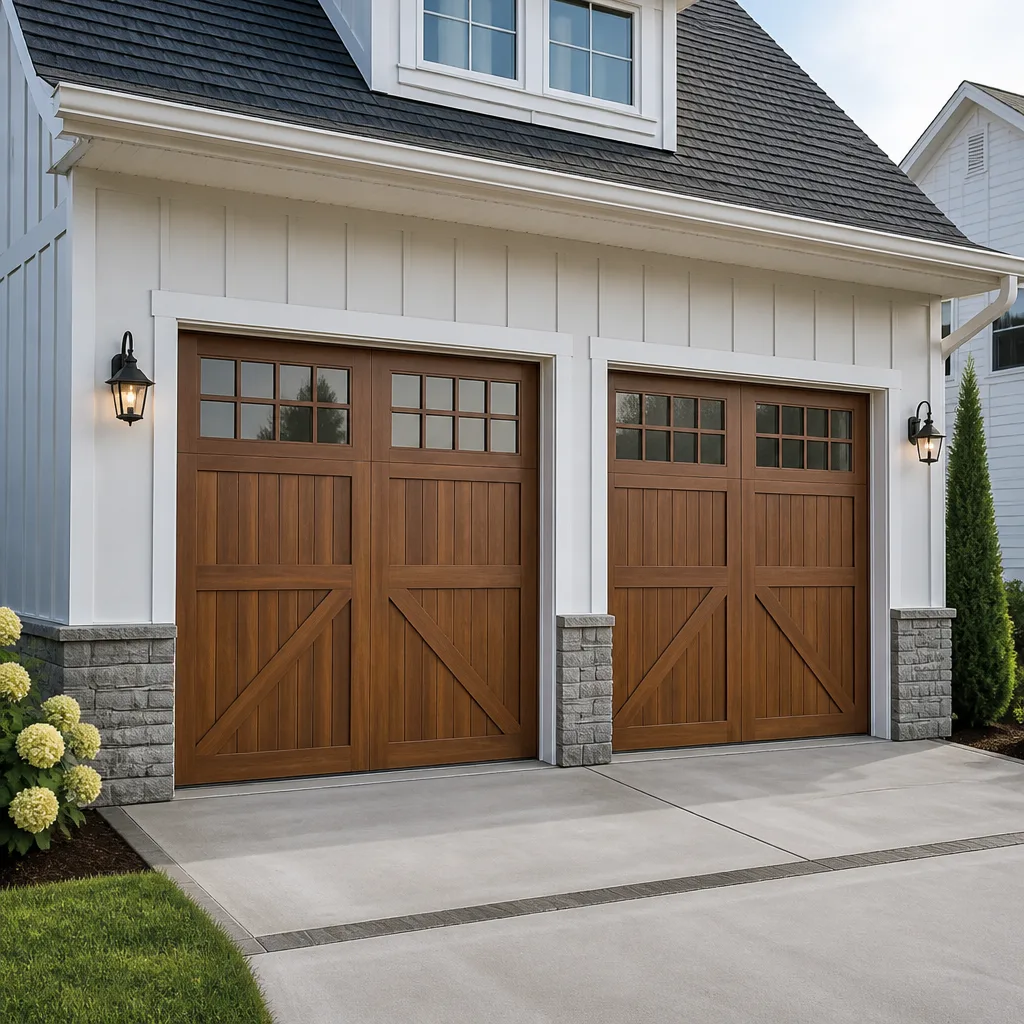 Carriage house
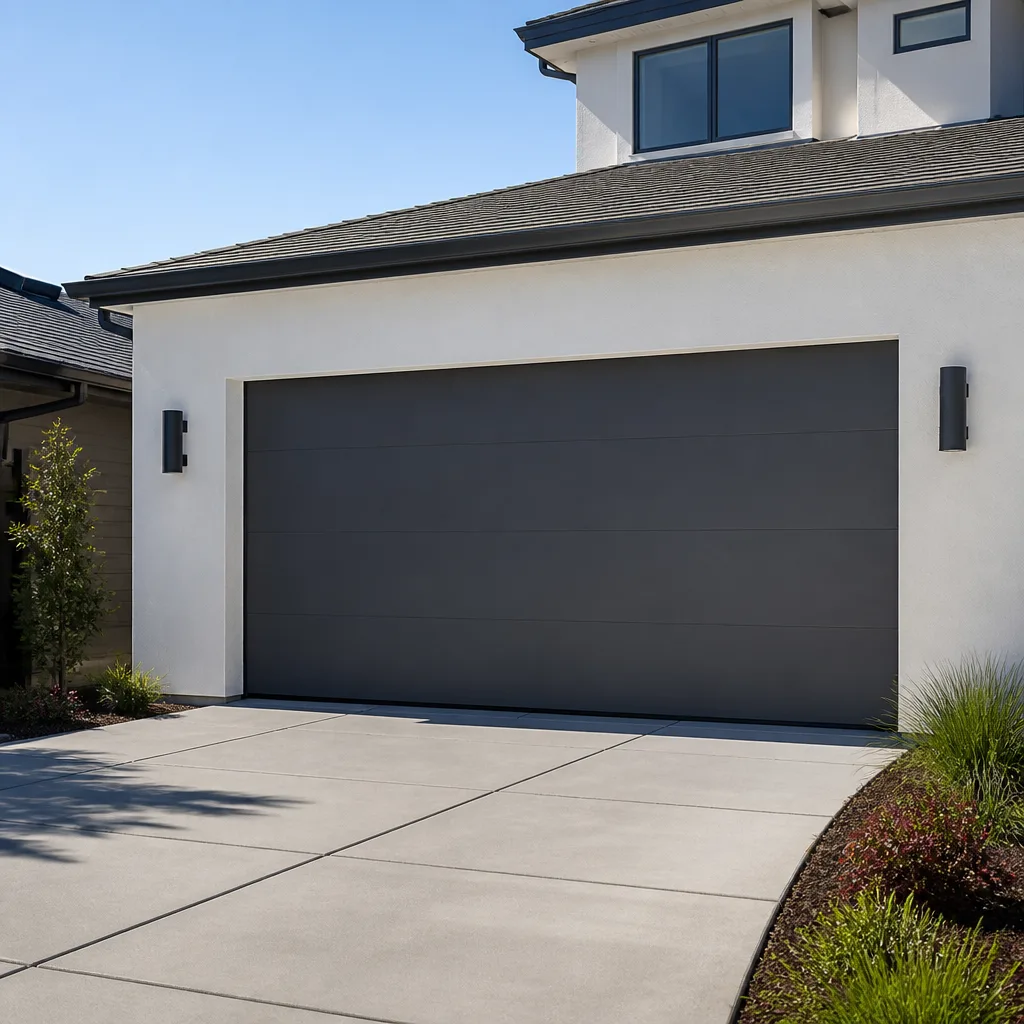 Modern flush
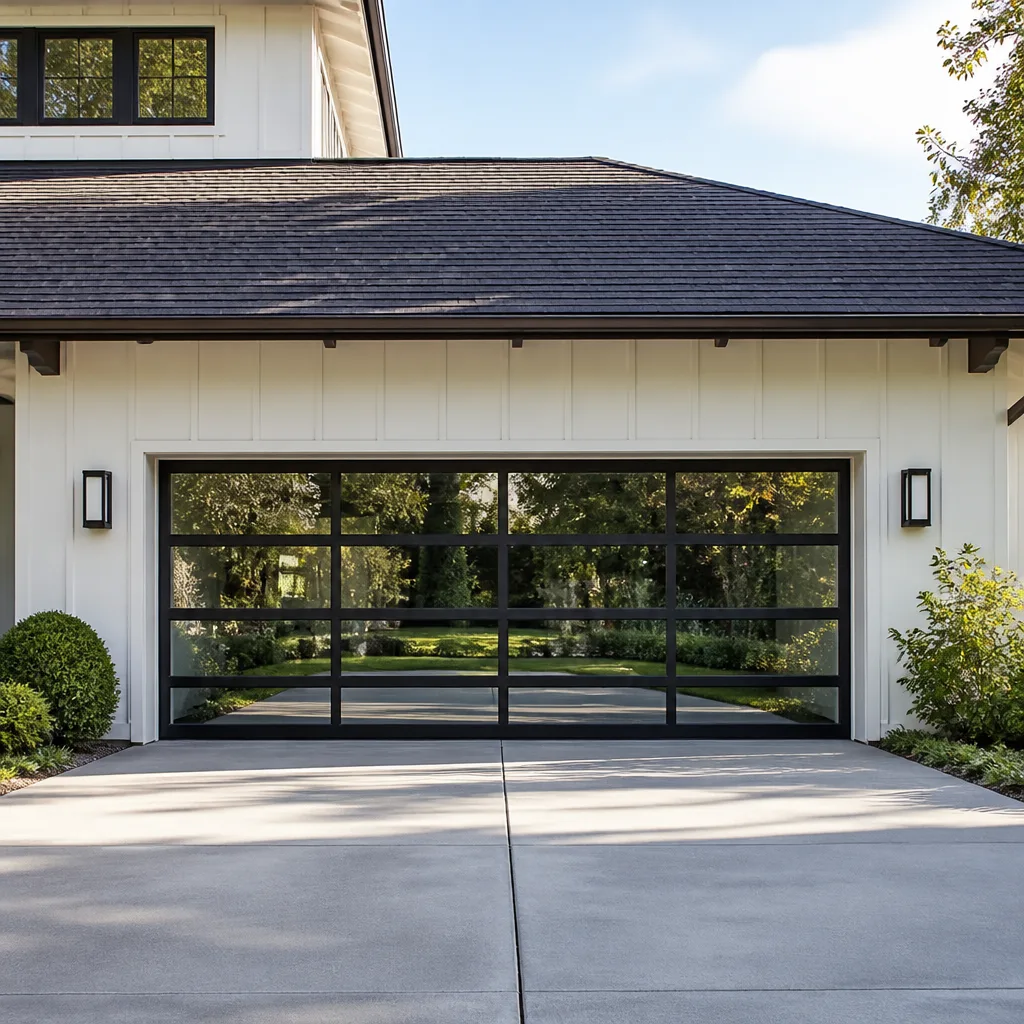 Full-view glass
 LiftMaster openers
 Chamberlain openers
Full 25-point door and opener safety check with every visit - springs, cables, rollers, tracks, and your LiftMaster or Chamberlain opener included
You get a price before we start. It does not change when the truck arrives.
Get your free estimateGarage Door Warning Signs: A Glendale Homeowner’s Reference Guide
Most Glendale homeowners treat a noisy garage door the way they treat a check-engine light: acknowledge it, hope it goes away, and wait until something actually breaks. The problem is that garage doors don’t fail politely. A door that shudders on the way up isn’t always a spring problem – it’s often a roller or track issue that costs $80 to fix if caught early and $400 to fix after it bends the track. The sound tells you which one it is, if you know what to listen for. This guide breaks down every major warning sign, ranks it by urgency, and tells you what it actually costs to address here in Glendale, where our dry summers and surprise winter rain create a specific set of door problems you won’t find in a generic online article. For more, see our Seasonal Garage Door Care for Glendale: Year-Round Homeowner’s Guide.
Styles & brands we work with
- Raised-panel steel
- Carriage house
- Modern flush
- Full-view glass
- LiftMaster openers
- Chamberlain openers
Quick Answer
Garage door warning signs in Glendale fall into three urgency tiers: stop using the door now (snapped cables, broken springs, door falling when released, loud popping during operation), schedule service within the week (grinding rollers, slow response time, door reversing midway, visible rust or moisture damage), and watch-and-log (slight squeaks, minor weather stripping wear, slow seasonal changes). The most commonly dismissed warning sign is uneven cable tension, where one side of the door hangs visibly lower than the other – a condition that turns into a snapped cable and a door slamming shut without warning.
Table of Contents
- The Three-Tier Urgency System Every Glendale Homeowner Should Know
- What Your Garage Door Is Telling You: Grinding vs. Popping vs. Squeaking
- Why Your Door Reverses Before It Hits the Floor (And the 30-Second Test)
- Glendale-Specific Warning Signs: Moisture, Marine Layer, and Wood Doors
- The Warning Sign Everyone Dismisses: Uneven Cable Tension
- Spring Failure: The Signs That Show Up Weeks Before the Break
- Opener Warning Signs: When the Motor Is the Problem
- Common Mistakes to Avoid
- When to Call a Professional
- Frequently Asked Questions
- The Bottom Line
The Three-Tier Urgency System Every Glendale Homeowner Should Know
Not every garage door symptom deserves the same reaction. A door that’s slightly slower than it was last summer is a different conversation than a door that slams shut when you release the emergency cord. Treating them the same way leads to either unnecessary panic calls at midnight or, worse, ignoring a condition that’s about to fail dangerously. We’ve organized every symptom in this guide into three tiers, and we use this same framework when Glendale homeowners call us describing what they’re seeing and hearing. If you’re planning a bigger project, our How to Hire a Garage Door Contractor in Glendale: A Step-by-Step Guide can help.
Tier 1: Stop using the door now. These are conditions that can cause injury or property damage within the next operation cycle. A snapped cable, a broken torsion spring, a door that drops more than a few inches when you disengage the opener and lift it by hand, or a loud pop followed by the door not moving are all Tier 1. Close the door if it’s open, leave it if it’s closed, and call a professional. Do not try to operate the door with the opener. A door with a broken spring can weigh 150 to 250 pounds, and without spring assistance, that weight is uncontrolled. This isn’t a repair you schedule for next week; it’s a repair you schedule for today.
Tier 2: Schedule within the week. These symptoms indicate wear that’s accelerating but hasn’t reached the failure point yet. Grinding or scraping sounds from the rollers, a door that reverses halfway down for no apparent reason, visible rust streaking on steel panels, moisture bubbling on the bottom panel paint, or a door that’s noticeably slower on one side than the other. These issues get more expensive the longer they go untreated. A grinding roller that hasn’t yet damaged the track is a $60 to $90 fix. That same roller after it’s worn flat and bent the track is a full track replacement.
Tier 3: Watch and log. These are early indicators that something is changing but doesn’t require immediate action. A squeak that happens only on cold Glendale mornings, slight weather stripping wear around the edges, a door that’s a second slower than it was when you moved in, or a subtle vibration you can feel through the wall of the house. For Tier 3 issues, we recommend logging what you observe: date, temperature, sound, and whether it’s consistent or intermittent. Glendale’s temperature swings between Verdugo Hills-adjacent neighborhoods and the flats near Brand Boulevard mean the same door can behave differently from one block to the next, and a pattern log helps a technician diagnose faster than a one-time observation.
Why This Three-Tier System Matters in Glendale Specifically
Glendale’s climate puts unusual stress on garage door hardware. We get long dry stretches where metal components expand in the heat, followed by sudden rain events that introduce moisture and cause rapid contraction. That cycle, repeated across a single year, accelerates wear on rollers, hinges, and springs in ways that a more temperate climate doesn’t. A rust streak that appears in February after a wet week is not the same as a rust streak that’s been building for three years. Knowing which tier you’re in means knowing whether you’re watching a slow change or watching the immediate precursor to failure.
What Your Garage Door Is Telling You: Grinding vs. Popping vs. Squeaking
The single most useful diagnostic skill a Glendale homeowner can develop is identifying what kind of noise your garage door makes, because each distinct sound maps to a different component and a different repair cost. Most people lump all door noises into “it’s loud,” but a grinding noise and a popping noise are completely different conversations, and one of them costs ten times more than the other.
Grinding: Metal-on-Metal Contact
A grinding noise is almost always a roller problem. Garage door rollers are meant to roll along the track; when the roller bearings seize up, the wheel stops rolling and starts sliding, which means metal scraping against metal. In Glendale, where dry dust from the hills can work its way into unsealed roller bearings, this is one of the most common Tier 2 calls we make. The sound is a consistent scrape or grind that happens every time the door passes a certain point in its travel. It doesn’t change pitch or rhythm; it’s the same sound every cycle.
The fix is straightforward if caught early: replace the rollers, usually nylon rollers with sealed bearings, for $60 to $90 on most doors. But if the rollers have been grinding for months, they’ve been shaving metal off the track itself. At that point you’re looking at track replacement, which starts around $200 and goes up from there depending on the door configuration. The $80 early fix versus the $400 late fix is not an exaggeration; it’s the most common avoidable repair in Glendale garages.
Popping: Tension Under Stress
A popping noise is a different thing entirely. Pops happen when a spring binds and releases, or when a cable slips a notch on the drum. It’s often a single sharp sound, not a continuous one, and it may only happen once per cycle rather than continuously. If you hear a pop followed by the door continuing to operate but slightly differently – maybe a little lopsided, maybe a little slower – you’re likely hearing a cable or spring issue that’s in the early failure stage. This is a Tier 1 situation. A cable that’s slipped once is a cable that will slip again, and the next time it might not catch.
Popping is also the sound torsion springs make just before they break. If your door makes a sharp pop and then won’t open at all, or opens only a few inches before stopping, the spring has failed. That’s the most common garage door emergency we see in Glendale, and it’s why we always tell homeowners that popping is not a “let’s see if it happens again” sound.
Squeaking: Friction Without Damage
Squeaking is Tier 3, especially in Glendale’s winter. Cold metal contracts, and a door that’s silent in August can squeak in December simply because components are tighter. A squeak that disappears after the door cycles a few times, or that only happens on cold mornings, is almost always a lubrication issue. The fix is a silicone-based lubricant applied to rollers, hinges, and springs. What you should not do is use WD-40, which displaces grease rather than adding lubrication and makes the problem worse over time. A persistent squeak that doesn’t respond to temperature change is worth logging and mentioning on your next service call.
Why Your Door Reverses Before It Hits the Floor (And the 30-Second Test)
A door that reverses before it reaches the ground is one of the most common Glendale service calls, and it’s also one of the most misdiagnosed by homeowners. In our experience, it’s a safety sensor issue about 60% of the time and a limit switch issue about 40% of the time, and the test we describe below tells you which one you’re dealing with in about 30 seconds. The distinction matters because one fix costs a service call and possibly a sensor replacement, while the other requires adjusting your opener’s travel settings.
The 30-Second Test
- Look at the two safety sensors, one on each side of the door near the floor. Each should have a small LED light on it. On LiftMaster and Chamberlain openers, the lights glow steady green and amber when aligned. On Genie openers, look for a solid red light.
- If either light is blinking, flashing, or off entirely, you have a sensor alignment or wiring problem. This is the 60% case. The fix is usually realigning the sensors so they face each other directly. Sometimes a broom, a car bumper, or a kid’s bike has knocked one a fraction of an inch out of alignment.
- If both sensor lights are glowing steady and the door still reverses, the limit switch setting is the likely culprit. The opener thinks the door has reached the floor before it actually has, so it reverses as a safety response. This is a travel adjustment on the opener unit, and on most modern openers from LiftMaster and Chamberlain it’s a matter of pressing and holding the adjustment buttons while the door is in motion.
The safety sensor misalignment is the one homeowners should be happiest to find, because it’s the cheapest fix and it means the safety system is working exactly as designed. The opener is supposed to reverse if the sensors don’t confirm the path is clear; a door that reverses is a door that’s protecting you. The limit switch issue is less urgent but more annoying, and it’s one of those adjustments that a technician can make in about 15 minutes. If you have a Genie opener and both sensor lights are off entirely, check the wiring before assuming the sensors themselves are dead – Glendale’s heat can degrade older wiring insulation, and a short in the sensor line will look identical to a failed sensor.
Glendale-Specific Warning Signs: Moisture, Marine Layer, and Wood Doors
Garage doors in Glendale face a set of conditions that doors in, say, Phoenix or Las Vegas don’t, and some of the warning signs you should be watching for are visual rather than audible. Our elevation changes, our proximity to the marine layer that sneaks in through the Verdugo Canyon, and our winter rain patterns create three specific problems that we see repeatedly across Glendale neighborhoods from Adams Hill to Rossmoyne.
Paint Bubbling on the Bottom Panel
If you see small blisters or bubbles forming in the paint near the bottom of your garage door, you’re seeing moisture intrusion. Water from rain or irrigation runoff is wicking up into the panel material, and it’s pushing the paint off from the inside. In Glendale, this is especially common on doors that face west or south, where afternoon heat bakes the door and creates a vapor pressure that accelerates delamination. Left untreated, the panel itself starts to rot or rust depending on material, and a single panel replacement runs $250 to $400. Caught early, the fix is often just sealing the bottom edge and refinishing the affected area.
This is also a sign that your bottom seal has failed. The rubber weather strip along the bottom of the door is replaceable, and it’s one of the cheapest parts on the entire door assembly. If your bottom seal is cracked, flattened, or missing chunks, water is getting in every time it rains, and the bubble is just the visible evidence.
Rust Streaking on Steel Doors
Steel doors in Glendale have a particular enemy: the marine layer that rolls in during spring mornings and burns off by noon. That morning condensation sits on the door’s surface, and if there’s any scratch or chip in the paint, the steel underneath starts oxidizing. You’ll see it as a thin rust-colored streak running down from a single point. The streak itself is cosmetic at first, but rust doesn’t stay cosmetic. It weakens the panel and eventually requires a panel replacement that costs more than treating the scratch would have.
The prevention is straightforward: touch up any paint chips with a rust-inhibiting primer and matching paint, and check your door’s bottom edge after heavy rain. If rust is already streaking, you have time – this is a Tier 2 issue – but don’t let it go through another full winter.
Sag in Wood Doors After a Wet Winter
Glendale has a significant number of older homes with wood garage doors, particularly in the historic districts and the hillside properties built before steel doors became the default. Wood doors absorb moisture during wet winters, and that extra water weight pulls on every hinge, bracket, and panel seam. The warning sign is a door that no longer sits square in the opening: one corner dips, the center bows, or you can see daylight through a gap that used to be tight.
A sagging wood door is rarely a door problem by itself; it’s usually the frame or the hinges giving way under the added weight. The fix depends on where the sag originates, and it’s almost always cheaper to address in the dry season when the door has lost its moisture load. If you see sag forming in February, don’t wait until July. The weight of that water is doing ongoing damage even if the door still opens and closes.
The Warning Sign Everyone Dismisses: Uneven Cable Tension
This is the one we want every Glendale homeowner to know about, because it’s the warning sign that consistently gets ignored until it becomes an emergency. Stand inside your garage with the door closed and look at the two cables, one on each side of the door. They should be equally taut, running in parallel lines from the bottom bracket up to the drum at the top of the door. If one cable is visibly looser than the other, or if one side of the door hangs slightly lower than the other when the door is partially open, you’re looking at uneven cable tension.
Here’s why this matters. The cables carry the door’s weight alongside the springs, and they’re designed to share that load evenly. When tension becomes uneven, one cable is doing more work than the other, and the overloaded cable is building toward a snap. A snapped cable under tension is a violent event: the cable whips, the door drops on one side, and the remaining cable is suddenly holding a load it was never meant to carry. If the door is open when this happens, it can slam down.
The cause of uneven tension is usually one of three things: a spring that’s wearing unevenly, a drum that’s slipped on the shaft, or a cable that’s begun to fray and stretch. All three are repairable, and all three are significantly cheaper to fix before the cable snaps. In Glendale, we see this most often in doors that are 8 to 12 years old, which is right at the age when original cables and springs begin to fatigue. If you notice one side hanging lower, it’s a Tier 1 issue. Do not attempt to adjust cable tension yourself. The cables are under hundreds of pounds of force, and a cable that slips while you’re working on it can cause serious injury. This is a call-a-professional situation, every time.
Spring Failure: The Signs That Show Up Weeks Before the Break
Garage door springs don’t usually break without warning. Torsion springs, the kind mounted on a bar above the door, are rated for a specific number of cycles – usually 10,000 on standard springs, which translates to roughly 7 to 10 years of normal use in a Glendale home where the door cycles two to three times a day. Extension springs, the kind mounted along the sides on older doors, last 8,000 to 10,000 cycles. The point is that spring failure is typically a predictable event, and the door almost always shows symptoms in the weeks before it happens.
The Warning Signs
- A visible gap in the torsion spring: If you look at the spring mounted above your door, it should be one continuous coil. A gap of an eighth of an inch or more appearing between coils means the spring is beginning to separate, and failure is days to weeks away, not months.
- The door feels heavier than it used to: When you disengage the opener (pull the red emergency cord) and lift the door by hand, a healthy spring-assist door should lift smoothly with manageable effort. If it feels noticeably heavier than it did a year ago, the spring is losing tension and it’s already doing less work than it should.
- The door opens a few inches and stops: This is the classic “morning of the break” symptom. The spring broke during the night, and the opener can’t move the full door weight without spring assistance.
- A loud bang from the garage: If you hear what sounds like a gunshot or a car backfiring from your garage and then find the door won’t operate, that was your spring. It’s the single most common garage door emergency in Glendale, and it happens without any additional warning on the day it occurs.
Spring replacement is not a DIY job. Torsion springs are wound under several hundred pounds of torque, and an improperly wound spring can release that energy into whatever is in its path. This is one of those repairs where the professional license and the experience genuinely matter, and it’s one of the reasons we never encourage homeowners to attempt spring work themselves. If you’ve noticed any of the warning signs above, you’re looking at a spring replacement that typically ranges from $180 to $340 in Glendale depending on the spring size and the door configuration. That’s the price of prevention. The price of a door that’s fallen after a spring break is almost always higher, and it can include body damage to whatever car was parked in the garage at the time.
Opener Warning Signs: When the Motor Is the Problem
The door and the opener are two different systems, and they fail in different ways. Your door is the weight and structure; your opener is the motor and control system that moves it. We treat opener repair as a distinct service at Suncrest Garage Door Repair because the diagnostic process, the parts involved, and the failure patterns are entirely different from door hardware, and the borderline cases matter. Here’s how to tell whether the symptom you’re seeing is a door problem or an opener problem.
The Opener Runs but the Door Doesn’t Move
If you press the wall button and hear the opener motor running but the door stays put, you’re looking at a disconnect between the opener and the door. The most common cause is the emergency release cord having been pulled, which disengages the trolley from the carriage. If the cord is hanging with the red handle visible at eye level, someone pulled it, and re-engaging it is usually a matter of running the opener until the trolley re-latches. If the cord hasn’t been pulled and the motor runs without moving the door, the drive gear is stripped. On a LiftMaster or Chamberlain opener, the drive gear is a plastic sacrificial part designed to fail before the motor burns out, and replacing it is a standard opener repair. On older Craftsman units, the same failure mode applies, though the gear geometry differs.
The Opener Is Quiet but the Door Moves Slowly
This is usually a door issue masquerading as an opener issue. The opener motor has a fixed power output; when the door starts moving slower than it used to, the opener is working harder against added resistance. That resistance could be a worn roller, a dry track, a failing spring, or a hinge that’s beginning to bind. The opener is the symptom carrier, not the disease. The right diagnostic step is to disengage the opener and lift the door by hand. If the door feels heavy or catches anywhere in its travel, the problem is in the door, not the motor. If the door moves smoothly by hand, then you’re looking at a genuine opener issue, usually worn gears or a failing capacitor.
The Opener Makes a Humming Sound and Then Stops
A humming sound followed by a click is the motor trying to start and failing. On newer openers, this is often the capacitor. On older units, it’s more likely the motor start winding. Either way, the opener is done until repaired, and the question is whether the door itself is part of the cause. If the opener hums because it’s trying to lift a door that’s too heavy, you have both a door problem and an opener problem, and fixing only the opener means you’ll burn out the replacement too. This is one of those cases where the multi-brand expertise matters: a Genie opener and a LiftMaster opener fail in different sequences, and the same door condition can produce different symptoms on each.
For a deeper look at opener issues specifically, see our Garage Door Opener Repair in Glendale guide, which covers motor failure, remote programming, smart-home integration, and the opener-specific warning signs most general repair pages skip.
Common Mistakes to Avoid
- Lubricating everything with WD-40: WD-40 is a water displacer, not a lubricant. It strips existing grease and leaves metal components running dry. Use a silicone-based garage door lubricant on rollers, hinges, and springs instead. In Glendale’s dusty conditions, the wrong lubricant actually attracts and holds grit, accelerating wear.
- Ignoring a noise that “only happens sometimes”: Intermittent noises are the hardest to diagnose, but they’re also often the earliest warning. A noise that happens only on cold mornings or only on the first cycle of the day is telling you something specific about temperature-dependent friction. Log it and mention it on your next service call rather than waiting for it to become constant.
- Attempting spring repair without training: Torsion springs hold enough stored energy to cause serious injury or death if released improperly. The $200 saved on a DIY spring repair is not worth the risk. This is the single most important safety rule in garage door ownership.
- Disconnecting the safety sensors to “fix” a reversing door: Some homeowners bypass the sensor by wiring them together or taping them face to face. That disables the safety mechanism that prevents the door from closing on a person, pet, or car. A door that reverses is a door that’s working. Fix the alignment, not the bypass.
- Waiting until the door won’t open to address a sagging cable: By the time a cable snaps, the door has already been operating out of balance for weeks or months. The cable is the last component to fail, not the first. Address uneven tension the day you notice it.
- Painting over rust without treating it: Rust under fresh paint continues to spread. The right sequence is rust converter, then primer, then paint. Skipping the converter means you’ll be repainting the same spot next year, and by then the panel underneath is thinner.
- Replacing the opener when the door itself is the problem: A door that’s heavy from a dying spring will burn out a new opener the same way it burned out the old one. Diagnose the door first, then the opener. That’s the sequence we follow on every Garage Door Repair in Glendale call, and it’s why we treat door and opener service as two separate specialties.
When to Call a Professional
Certain symptoms are wait-and-watch material, and certain symptoms mean you stop using the door and pick up the phone. If you hear a loud pop from the garage and the door won’t open, the spring has failed and the door is under uncontrolled weight. If you see a cable hanging loose or one side of the door sagging visibly lower than the other, the cable is about to snap. If the door drops when you disengage the opener and lift it manually, the springs are no longer counterbalancing the weight. If you smell burning from the opener motor, shut off power to the unit and don’t run it again. If the door reverses every time it closes despite sensor lights showing aligned, the limit settings need adjustment and the sensors may need replacement. Suncrest Garage Door Repair offers free estimates in Glendale – call (855) 473-2620 and we’ll tell you what you’re dealing with before any work is scheduled.
Frequently Asked Questions
Spring replacement in Glendale typically runs $180 to $340 for a standard residential torsion spring, including the service call and installation labor. The range depends on the spring’s wire size and diameter, which is determined by your door’s weight, and on whether you have one spring or a two-spring configuration. Extension springs on older doors run slightly less. Call (855) 473-2620 for an exact quote – estimates are free, and the price is agreed before any work starts.
Yes. For Tier 1 emergencies like broken springs, snapped cables, or a door that’s fallen and can’t be moved, we prioritize same-day service calls across Glendale. Broken spring calls are the most common emergency we respond to, and we carry the most common spring sizes on our trucks so the door is often operational the same day. Call (855) 473-2620 and describe what you’re seeing.
A grinding noise means rollers are sliding instead of rolling, and the risk is accelerated track damage rather than immediate failure. You can keep using the door while you schedule service, but the repair cost rises the longer the grinding continues. Early roller replacement is $60 to $90; a bent track repair starts around $200. This is a Tier 2 issue, so schedule within the week.
Roughly 60% of the time, a reversing door is caused by misaligned safety sensors, and 40% of the time it’s a limit switch setting. Check the sensor LEDs: blinking or off lights mean alignment or wiring problems; steady lights with continuing reversal point to the opener’s travel settings. The sensor fix is often a simple realignment, and on LiftMaster, Chamberlain, and Genie openers the LEDs tell you what you’re dealing with in about 30 seconds.
No. Our technicians are trained on eight major brands: LiftMaster, Chamberlain, Genie, Clopay, Amarr, Wayne Dalton, Craftsman, and Raynor. We work on the door you have, not the one we want to sell you, and we don’t push a replacement when a repair makes more sense. Whatever brand is on your door, we know it. If you’re shopping around, see our Choosing the Right Garage Door Brand: A Buyer’s Guide for Glendale.
No. The price we quote is the price you pay, agreed before any work begins. If we find something unexpected during the repair, we stop and discuss it with you before proceeding. That’s been our practice from day one, and it’s the reason Suncrest Garage Door Repair, the Suncrest Garage Door Repair home team serving Glendale, has built its reputation on upfront pricing (that statement still holds, but that first sentence remains the answer: no, the price doesn’t change once quoted).
If you’re thinking about a new door rather than a repair, see our Garage Door Installation in Glendale guide for what replacement options look like across the brands we work with.
The Bottom Line
Garage door warning signs are only useful when you know which ones demand action and which ones can wait. A popping noise is not the same as a squeak. A grinding roller is not the same as a cold-morning creak. A sagging cable is not a cosmetic issue. The three-tier system in this guide exists to tell you which conversation you’re having with your door, and Glendale’s climate makes it more important here than in most places. Watch the bottom panel for moisture bubbles after rain, check the cables for even tension, and treat every pop as a countdown rather than a one-off. Most garage door emergencies in Glendale are avoidable, and the ones that cause real damage are almost always preceded by a warning sign that was seen and dismissed. Browse our more guides & resources for additional homeowner tips.
Written by the team at Suncrest Garage Door Repair, serving Glendale since 2014.
See the difference
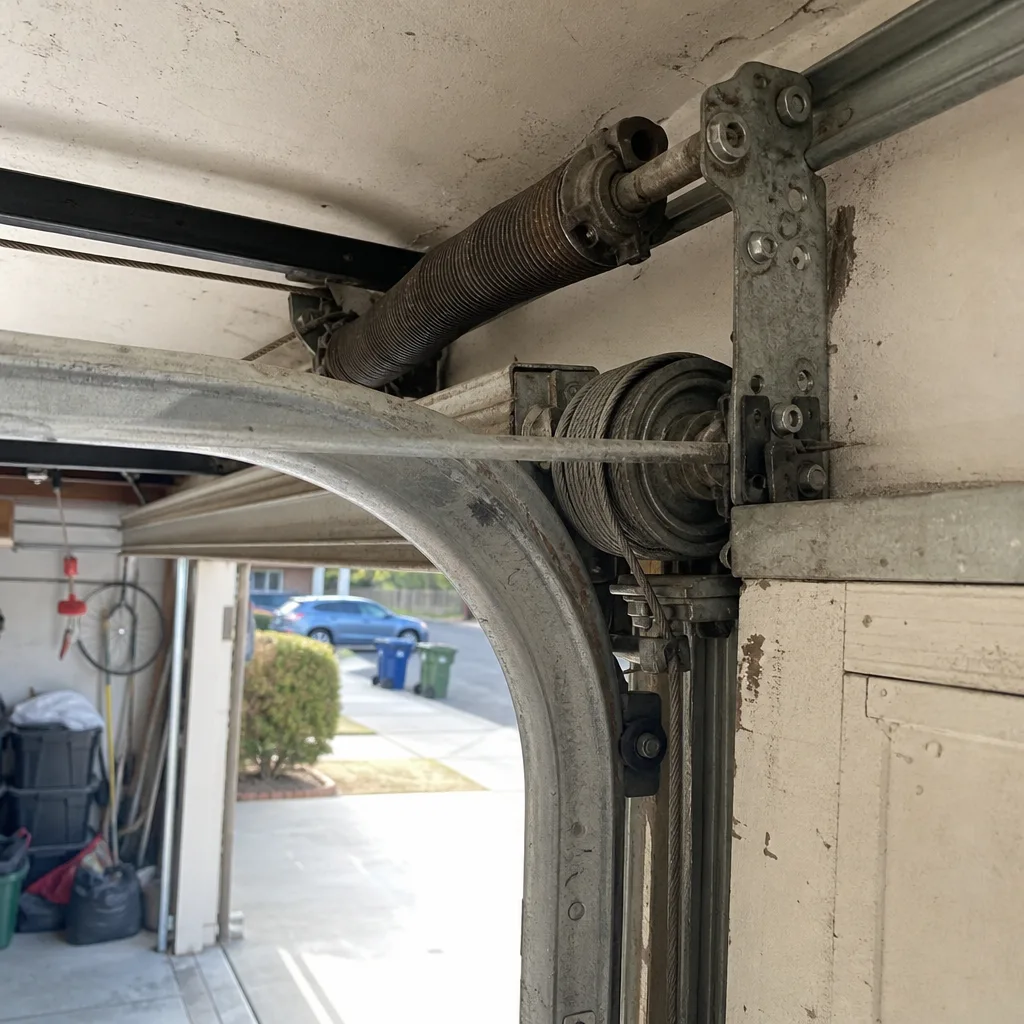 Before
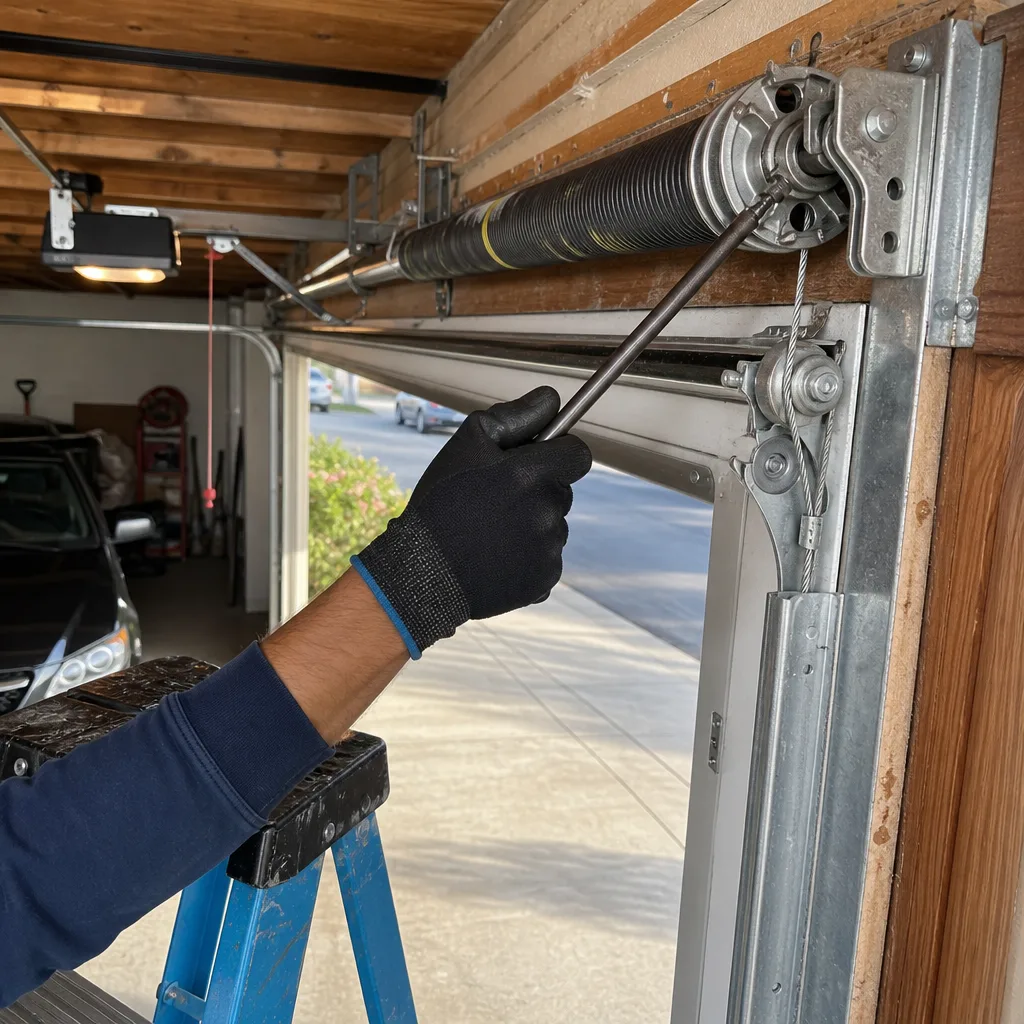 After
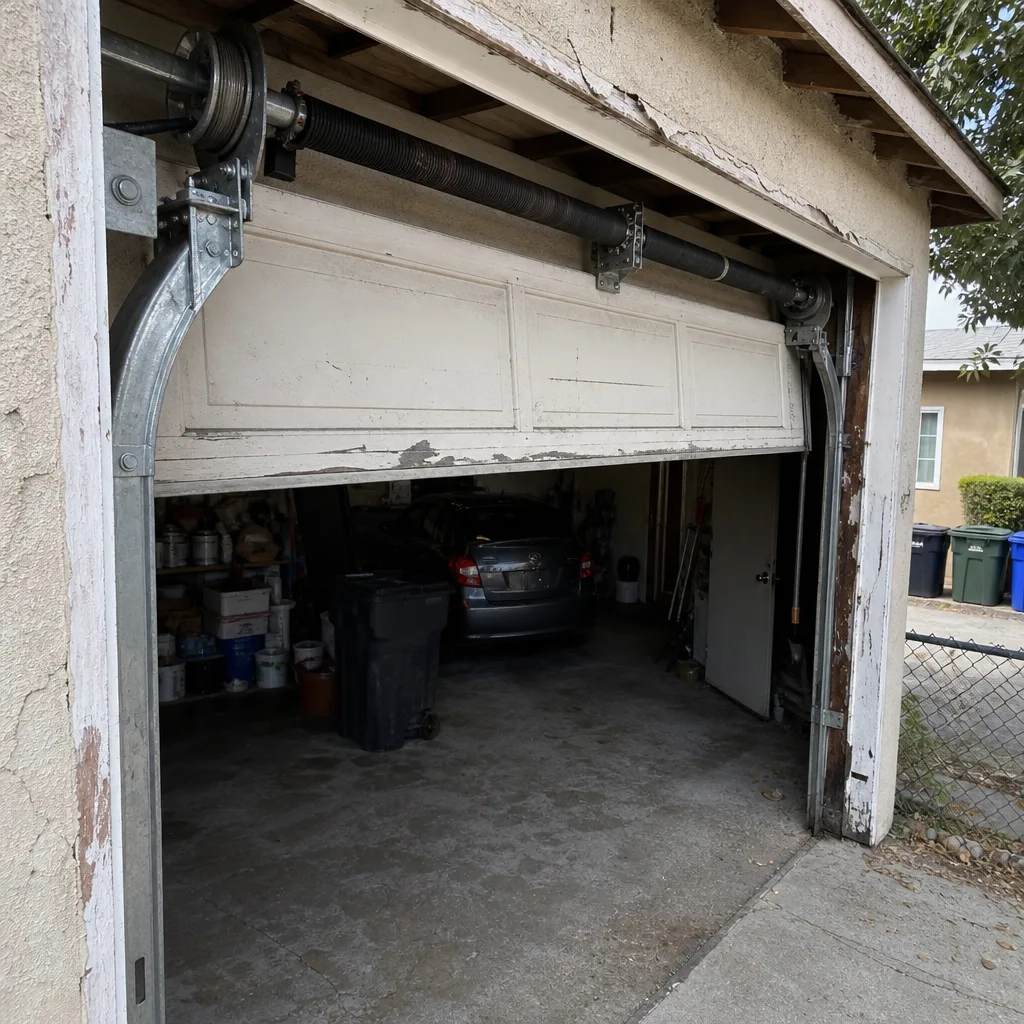 Before
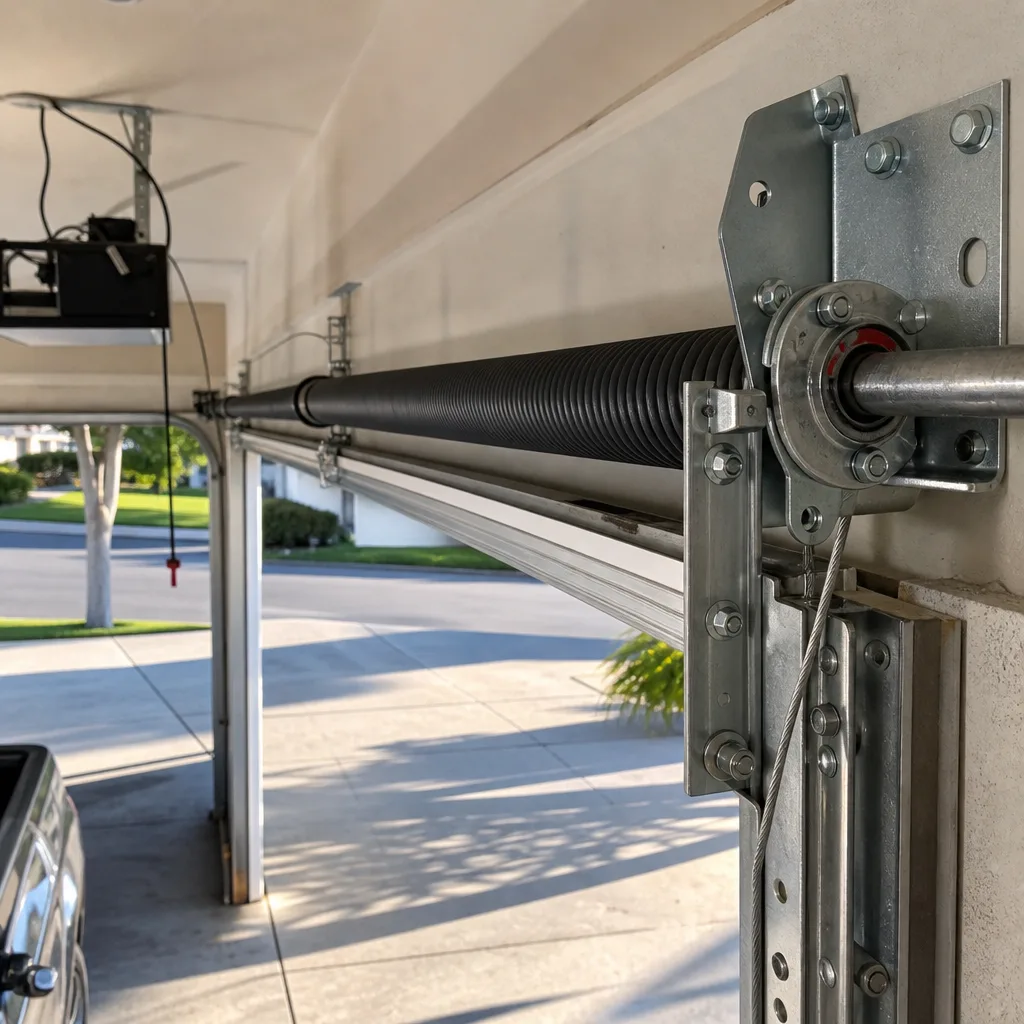 After
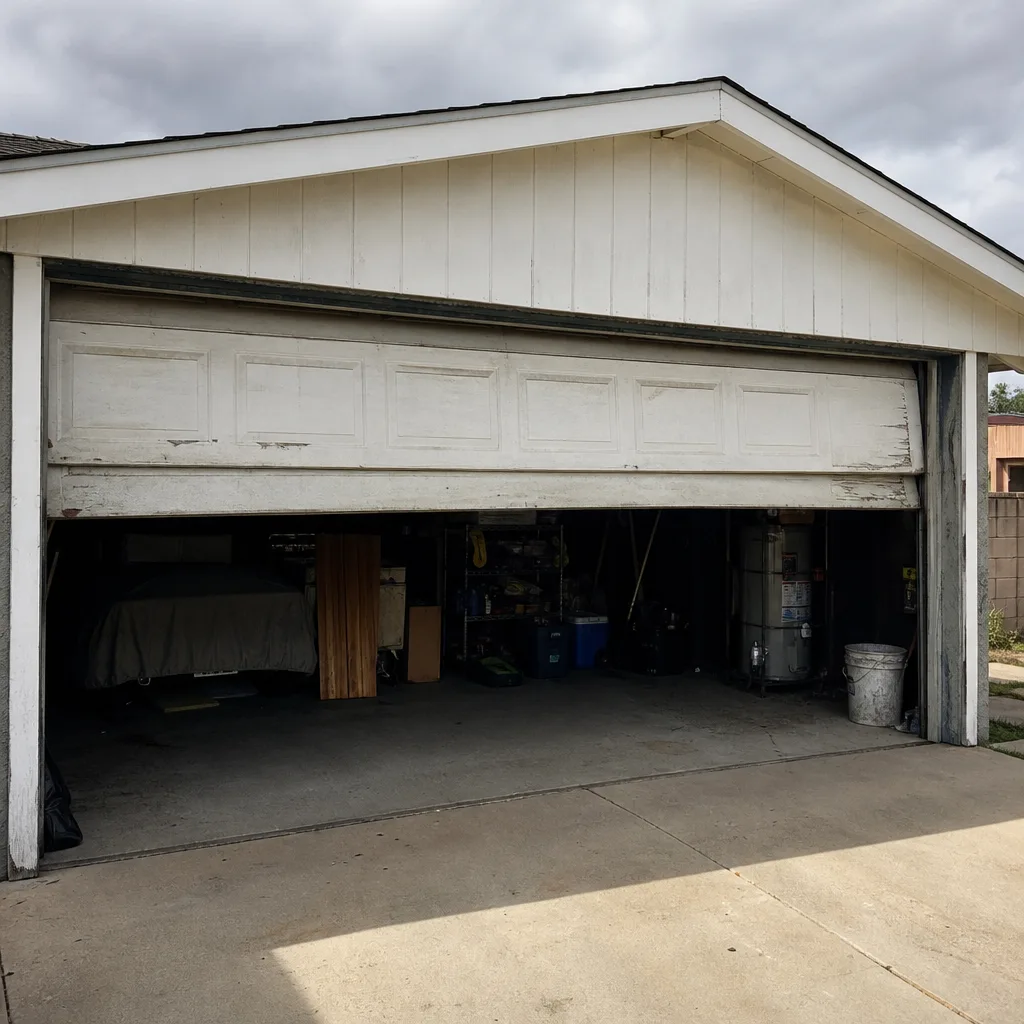 Before
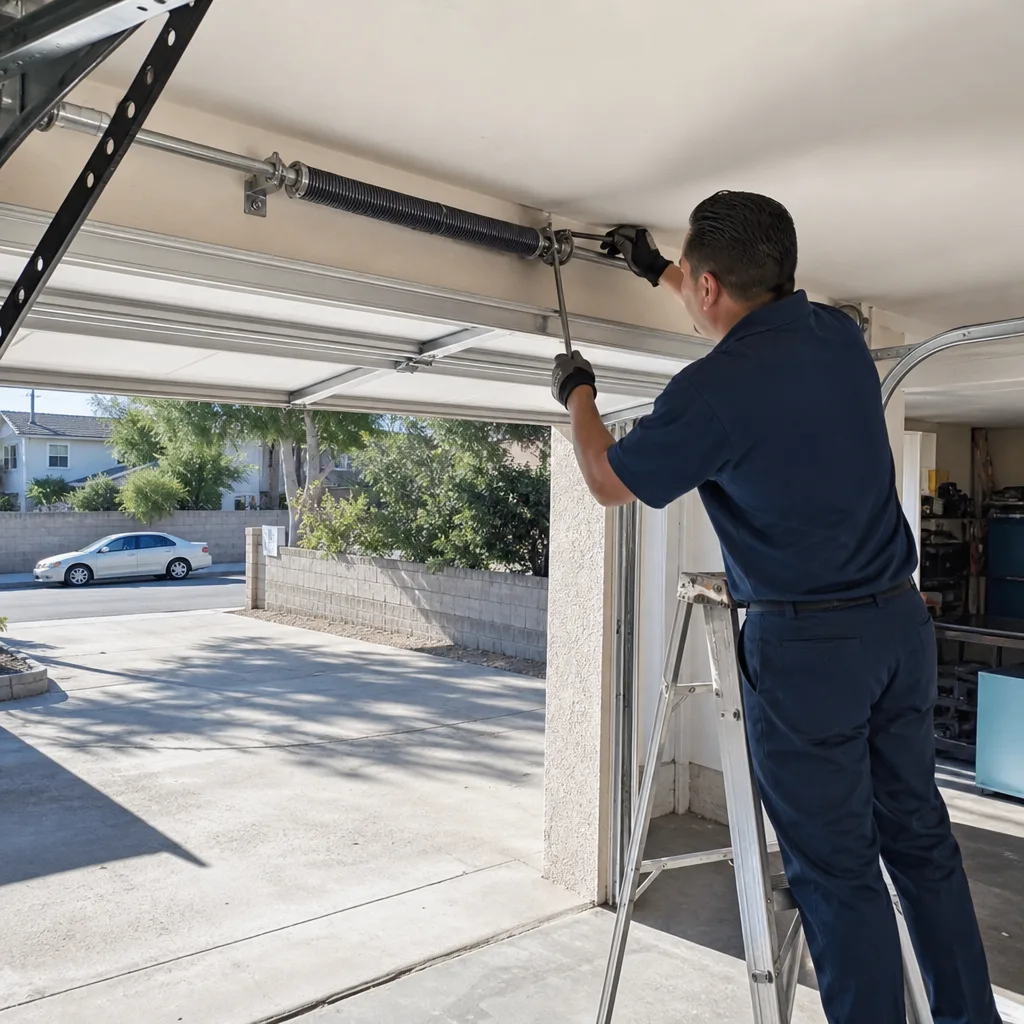 After