
Last updated November 3, 2026
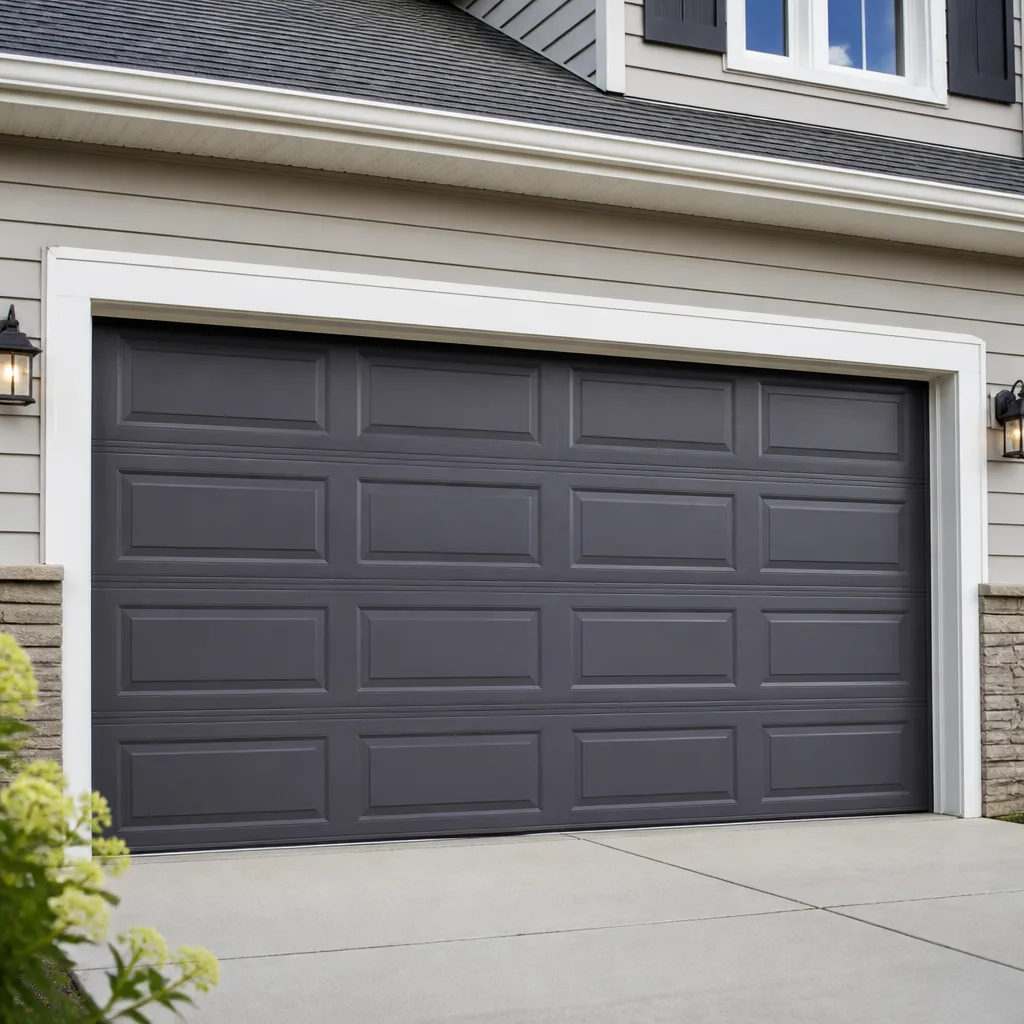 Raised-panel steel
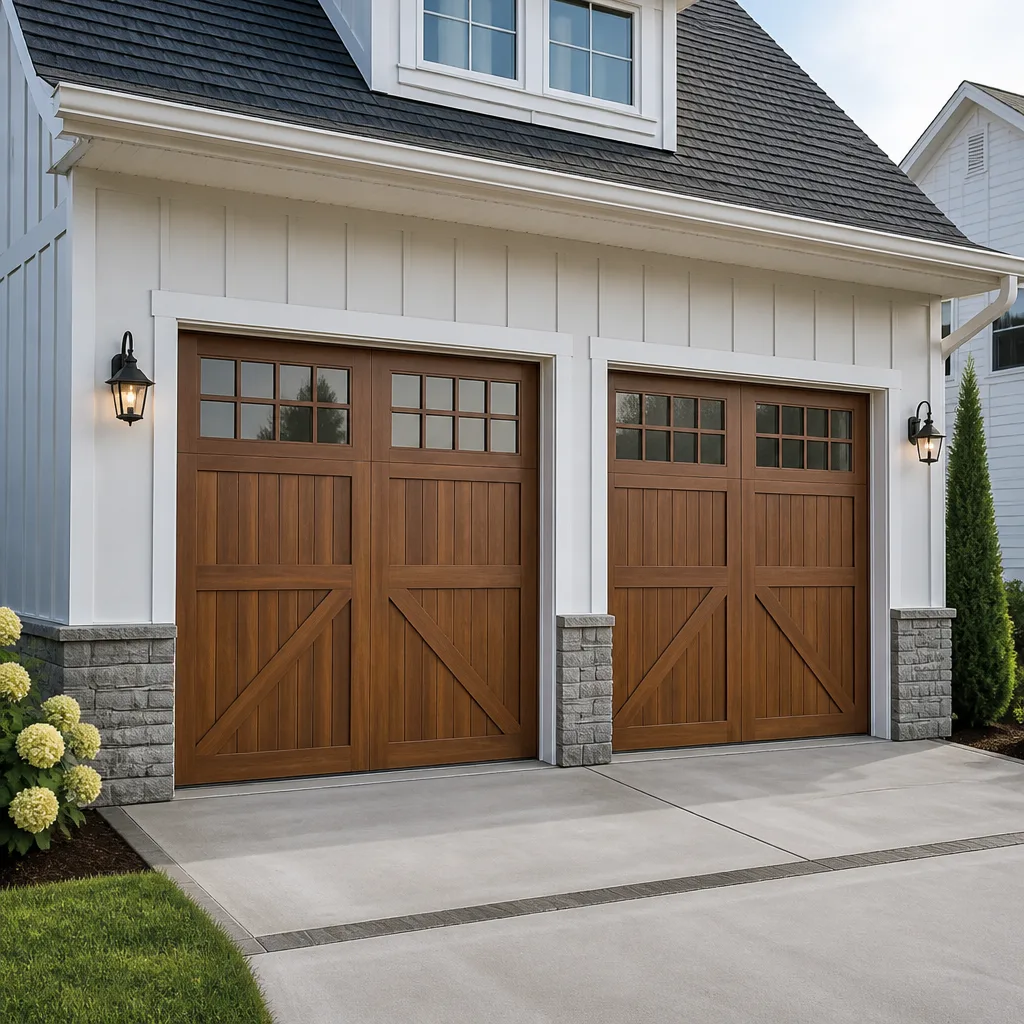 Carriage house
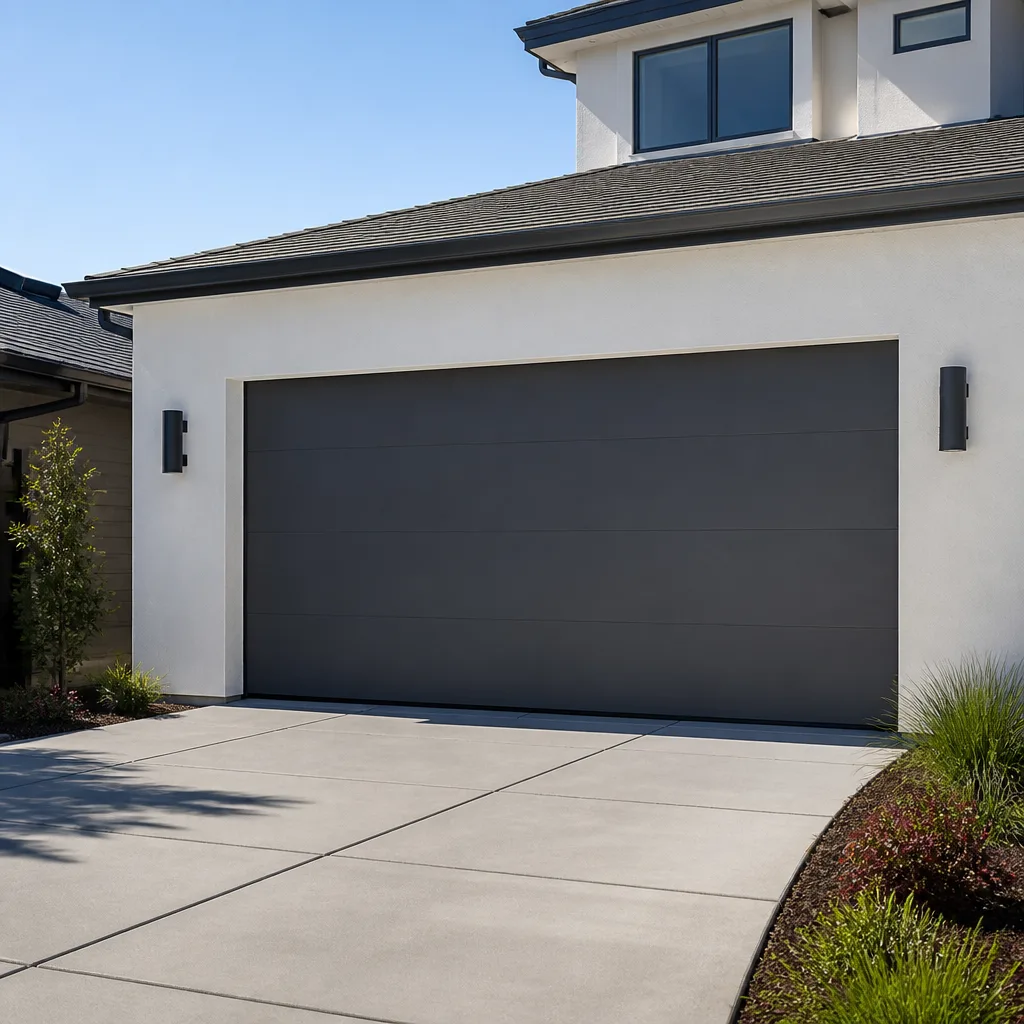 Modern flush
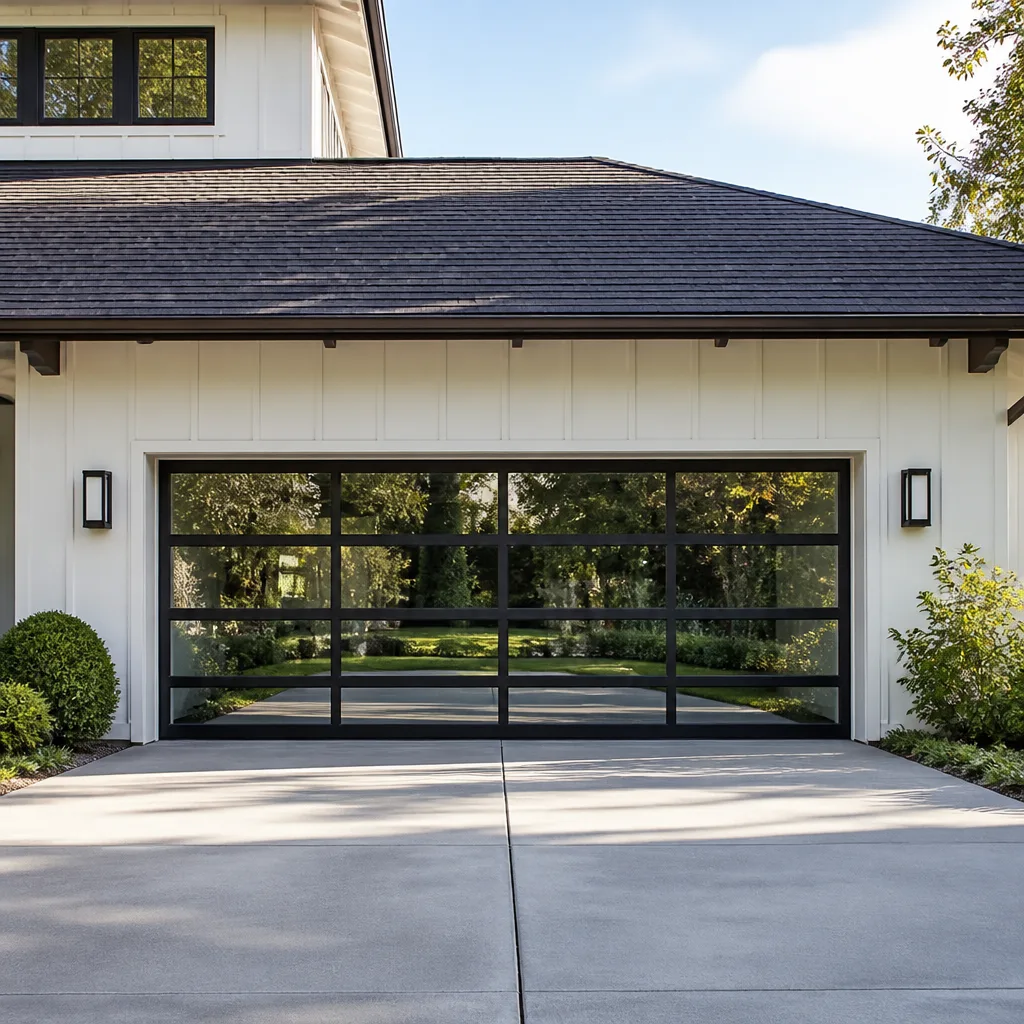 Full-view glass
 LiftMaster openers
 Chamberlain openers
Full 25-point door and opener safety check with every visit - springs, cables, rollers, tracks, and your LiftMaster or Chamberlain opener included
You get a price before we start. It does not change when the truck arrives.
Get your free estimateSeasonal Garage Door Care for Glendale: Year-Round Homeowner’s Guide
Most garage door maintenance guides read like they were written for a house in Michigan or New England. Freezing winters, snow load, road salt. None of that applies to Glendale, where the real seasonal damage comes from 100°F attic heat warping bottom seals in July, fine ash particles seizing rollers during October fire season, and Santa Ana winds driving grit into track channels that were clean a week earlier. A garage door that works flawlessly in April can feel heavy and sluggish by August, not because anything “broke,” but because heat and UV shifted the metal and rubber in ways generic maintenance calendars never mention. This guide is built around Glendale’s actual climate patterns, month by month, so you can protect your door before small issues become repair bills. For a broader overview, see our The Complete Garage Door Repair Guide for Glendale Homeowners.
Quick Answer
Seasonal garage door maintenance in Glendale means adapting to four local conditions: sustained summer heat (which alters spring calibration and softens seals), Santa Ana wind and fire-season ash (which contaminates rollers and tracks), winter rain (which attacks door bases and subfloor framing), and year-round UV exposure (which fades and can delaminate panel surfaces). A simple monthly visual check, plus specific seasonal tasks in June, October, and December, will prevent most common Glendale garage door failures. If you need help with repairs, our The Complete Garage Door Repair Guide for Glendale Homeowners covers common fixes. For a professional seasonal tune-up, call Suncrest Garage Door Repair at (855) 473-2620.
Styles & brands we work with
- Raised-panel steel
- Carriage house
- Modern flush
- Full-view glass
- LiftMaster openers
- Chamberlain openers
Table of Contents
- Why Glendale’s Climate Damages Garage Doors Differently
- June Through September: Heat, Spring Tension, and Seal Warping
- October Through November: Santa Ana Winds, Ash, and Roller Contamination
- December Through February: Rain, Bottom Seals, and Wood Door Bases
- Year-Round UV: Fading vs. Delamination on Glendale Door Panels
- Month-by-Month Glendale Garage Door Task List
- Common Mistakes to Avoid
- When to Call a Professional
Why Glendale’s Climate Damages Garage Doors Differently
Glendale sits in a unique microclimate that combines inland valley heat with mountain-adjacent wind patterns. Summer temperatures routinely push past 95°F, and your garage, especially if it’s not insulated, becomes an oven. The air inside a closed Glendale garage in July can reach 120°F or higher. That heat does not just make the space uncomfortable. It physically alters the materials your garage door is made of.
Metal expands. Rubber softens and deforms. Lubricant thins and drips out of roller bearings. Torsion springs, which are calibrated to lift a specific weight at a specific tension, behave differently when their steel is hot. This is why a door that balanced perfectly in April can feel noticeably heavier or move unevenly by late summer. The spring did not necessarily fail. The calibration shifted with the heat, and the fix is often a professional tension adjustment, not a spring replacement.
Then comes October. The Santa Ana winds arrive, carrying fine desert dust and, in fire season, particulate ash that is finer than beach sand. This material finds its way into every moving part of your door: roller bearings, hinge pivots, track channels, opener rail. A roller that carried fine dust for a week might still spin. A roller packed with sticky ash and dust for a month will start to grind, then seize, then wear flat on one side. We have pulled rollers out of Glendale garage doors that look like someone took sandpaper to them, and the homeowner never saw it because the damage was inside the bearing.
Winter brings Glendale’s brief wet season. A garage door’s bottom seal is the only thing standing between rainwater and the interior of your garage. When that seal is old, cracked, or warped from summer heat, winter rain flows underneath and pools at the base of the door. On older wood doors, or on garages with wood framing at the floor line, this water intrusion quietly rots the lowest panel section and the subfloor framing. By the time you see visible damage, the wood has usually been wet for months.
The good news is that all of this is predictable. Glendale’s climate patterns are consistent year after year, which means the maintenance tasks that prevent damage are consistent too. If you know what to look for and when to look for it, you can catch most issues before they become failures.
June Through September: Heat, Spring Tension, and Seal Warping
The biggest summer maintenance issue we see on Glendale garage doors is not a broken part. It’s a door that “doesn’t feel right” anymore. Homeowners in the Rossmoyne and Verdugo Woodlands neighborhoods tell us their door worked fine in spring but now hesitates halfway up or feels heavier when they lift it manually. This is almost always heat-related spring drift.
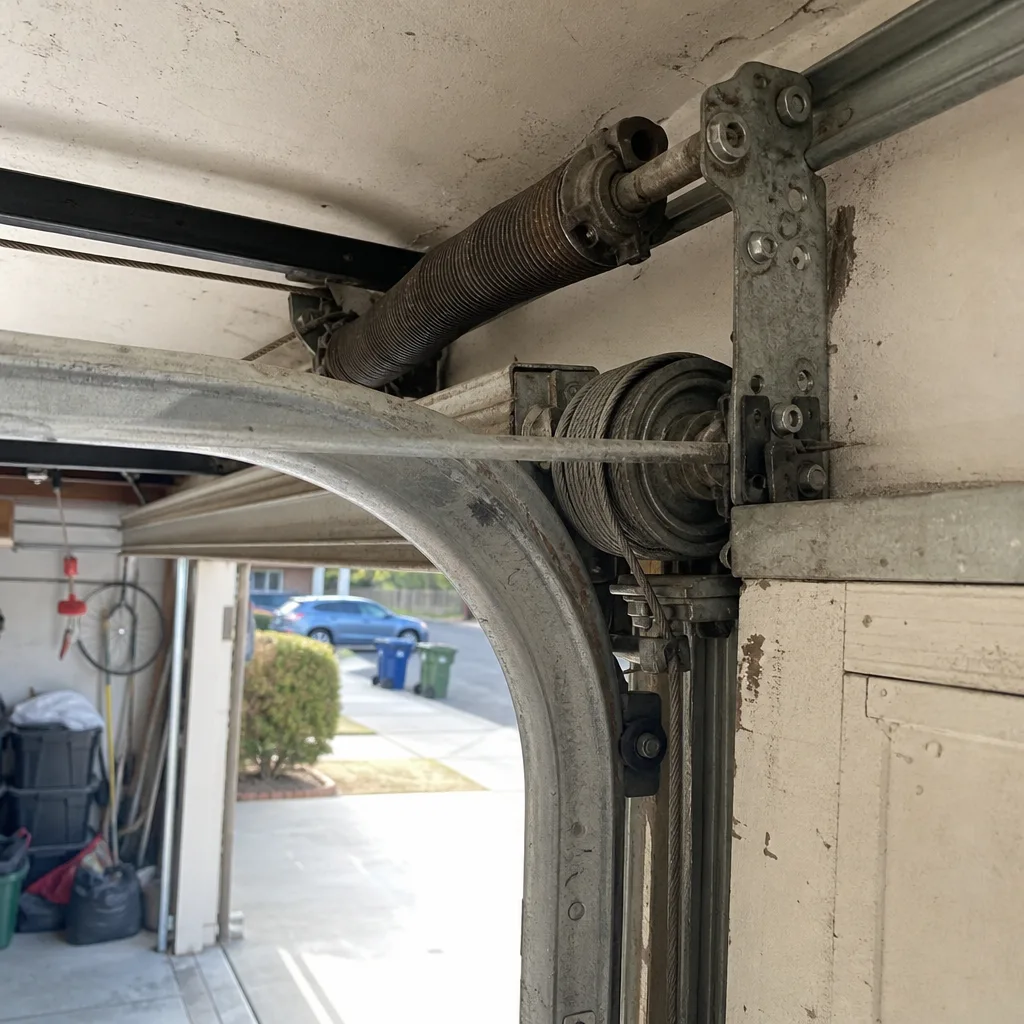
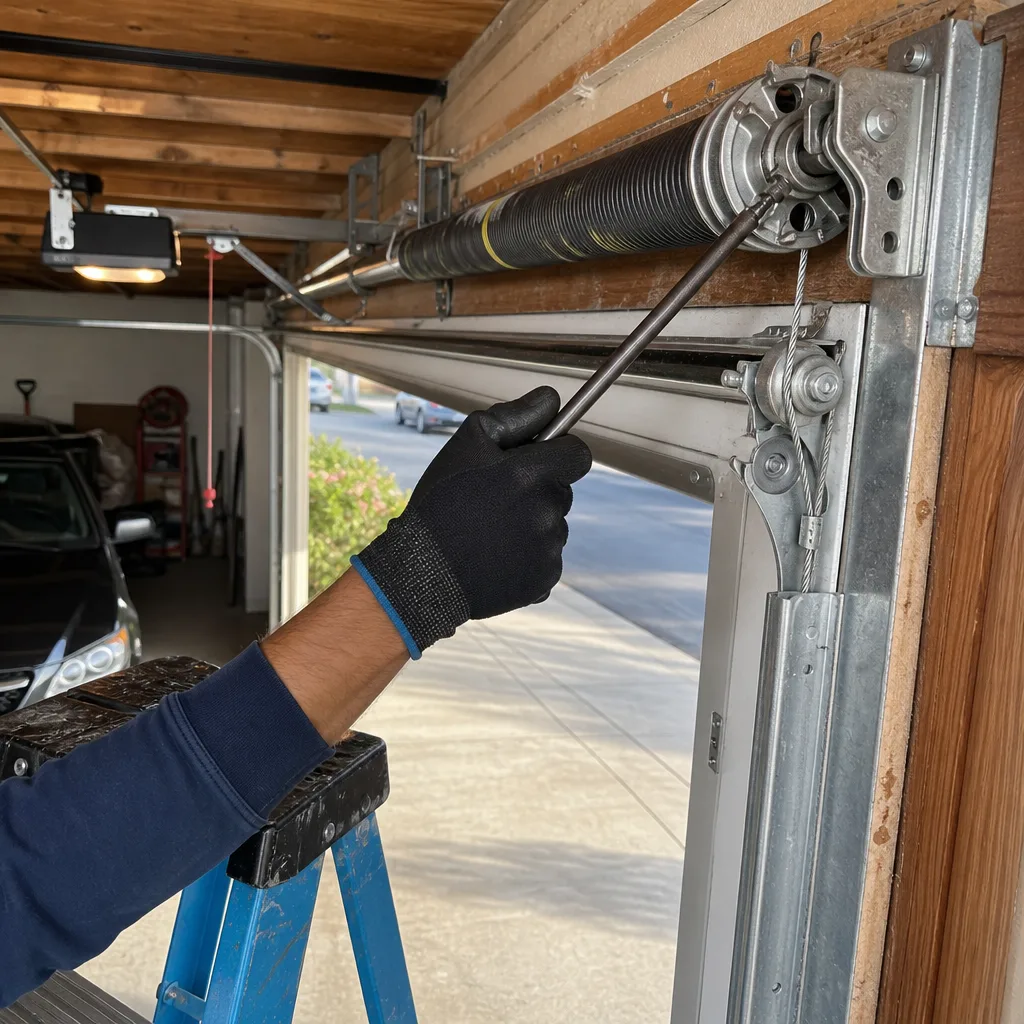
Torsion springs are precision-calibrated components. A typical residential door spring is wound to a specific tension based on the door’s weight, height, and track configuration. When Glendale summer heat raises the temperature of the spring steel by 40 or 50 degrees, the metal’s physical properties shift slightly. The spring’s effective lifting force changes, and the door’s balance goes off. Most homeowners compensate by holding the opener button longer or ignoring the sluggish movement, which then puts extra strain on the opener motor and gears.
What to do in June, before the hottest stretch of summer:
- Run a balance test. Disconnect the opener (pull the red release cord), then lift the door manually to about waist height. It should stay in place on its own. If it drops or rises, the spring tension is off. This is the single most informative test you can perform on a garage door.
- Check the bottom seal for heat warping. Run your hand along the rubber or vinyl strip at the door’s base. Feel for bumps, waves, or sections that have pulled away from the retainer. Glendale summer heat softens these seals enough that they can deform permanently, especially if the door sits closed in direct afternoon sun.
- Listen to the rollers. Open and close the door while standing beside it. Hot weather thins the grease in roller bearings, and once that grease drips out, the bearing runs dry and starts to wear. A dry roller sounds scratchy or rattly. A healthy roller is nearly silent.
- Check the weatherstripping on the sides and top. Heat accelerates the aging of vinyl weatherstripping. Look for cracks, brittleness, or gaps where the seal no longer meets the jamb. These gaps let hot air into the garage all summer, which raises interior temperatures and accelerates all the other heat-related problems.
If the balance test reveals a sagging or rising door, do not try to adjust the torsion spring yourself. These springs are under hundreds of pounds of torque, and improper handling causes serious injury every year. A trained technician can re-calibrate the tension in about twenty minutes. For doors with original springs that have been in service for seven years or more, we often recommend evaluating spring condition at the same time, since a spring that is drifting may be nearing the end of its cycle life. For more on spring and door repair specifics, see our Garage Door Repair in Glendale page.
October Through November: Santa Ana Winds, Ash, and Roller Contamination
Every October, when the first Santa Ana event blows through Glendale, garage door tracks and rollers collect a fine layer of dust, grit, and sometimes ash. This is not the cosmetic dust you wipe off a shelf. This material works its way into nylon and steel roller bearings, hinge pivots, and the opener rail carriage. Left in place, it acts as an abrasive compound that grinds moving parts together every time the door cycles.
In fire-season years, the problem gets worse. Ash is finer and more chemically active than ordinary dust. When ash mixes with residual grease on a roller bearing or hinge, it forms a paste that clings and hardens. A door that operated smoothly in September can develop a grinding, popping sound by late October, and the roller itself can seize within a few months if the contamination is not cleaned out.
Step-by-step post-wind maintenance, ideally in early November after the strongest wind episodes have passed:
- Brush out the tracks. Use a stiff nylon brush (not a wire brush, which scratches the galvanized track surface) to sweep debris out of the vertical and horizontal track channels. Pay attention to the bottom curve of each vertical track, where dust settles and packs in.
- Wipe down roller bearings. If you can safely reach them with the door closed, wipe each roller’s bearing area with a clean rag. Do not spray degreaser into the bearing unless you plan to re-lubricate immediately, and never use WD-40 as a lubricant on garage door rollers. It dissolves grease and leaves the bearing essentially dry.
- Lubricate pivot points. Apply a small amount of garage-door-specific lubricant (white lithium grease or silicone spray designed for the task) to each hinge pivot, the spring sheaves, and the opener rail. Less is more here. Over-lubricating attracts dust and creates the same paste problem you’re trying to prevent.
- Check the weatherseal flaps. The rubber fins that run along the sides and top of the door flex during high winds. Strong Santa Ana gusts can tear or dislodge these seals. Look for sections that have been pushed out of their retainers or torn at the corners.
- Test the safety sensors. Dust on the photo-eye lenses near the floor is a common cause of openers that refuse to close during wind season. Wipe both lenses with a soft dry cloth and confirm the door closes without hesitation.
This is also the time of year when we get calls about garage doors that will not stay closed during high wind gusts. The problem is rarely the door itself. It’s usually a worn weather seal allowing wind pressure to push the door slightly out of alignment, which triggers the opener’s safety reversal. Fixing the seal usually fixes the problem. If the door still reverses after seal replacement, the issue is typically opener-related, and our Garage Door Opener Repair in Glendale page covers the diagnostic path.
December Through February: Rain, Bottom Seals, and Wood Door Bases
Glendale’s wet season is short, but each rain event delivers enough water to damage a garage door with a failing bottom seal. The bottom seal’s entire job is to channel water away from the door’s interior face and prevent it from pooling at the base. When that seal is cracked, flattened, or warped from summer heat, rainwater flows under the door and puddles inside the garage.
On a steel or aluminum door, standing water at the base accelerates rust on the bottom panel, especially at the corners where the end stiles meet the bottom rail. On a wood door, which is still common in Glendale’s older homes in neighborhoods like Adams Hill and Citrus Grove, the damage is more insidious. Water wicks up into the wood grain, and over multiple rain seasons, the bottom panel begins to rot from the inside out. The same water can saturate the framing lumber at the garage floor line, leading to soft spots, mold, and eventual structural repair that costs far more than a door seal ever would.
December checklist, before the heaviest rain arrives:
- Inspect the full length of the bottom seal. Run your hand along it, feeling for flat spots, gouges, or hardening. Rubber and vinyl seals lose flexibility after a few Glendale summers. If the material feels stiff or crumbly rather than pliable, replace it now.
- Check the seal’s contact with the floor. Close the door and look for daylight under it. Any visible gap is a water entry point. Glendale garage floors are not all perfectly level, especially in older homes, so a seal that fits tight on one side may gap on the other.
- Clear the door’s path of leaves and debris. Wet leaves packed against the bottom of a closed door hold moisture against the seal and panel. Keep the area within two feet of the door clear during the rainy months.
- Test the drainage around the garage slab. If your driveway slopes toward the garage, check that the small concrete lip or drain channel at the door line is clear. A blocked channel sends every drop of runoff directly into your bottom seal.
- Run the door after each major storm. Cold, damp weather can make hinges squeak and the opener work slightly harder. A quick open-close cycle lets you catch new sounds before they become failures.
For older Glendale homes with original wood doors that show dark staining or soft wood at the base, the conversation is often about replacement rather than repair. A rotted panel cannot be meaningfully patched, and the cost of repeated repairs quickly approaches the cost of a new door. If you are weighing that decision, our Garage Door Installation in Glendale page walks through the selection and installation process, including options from brands like Clopay and Amarr that handle Glendale’s climate well.
Year-Round UV: Fading vs. Delamination on Glendale Door Panels
Glendale averages over 280 days of sunshine per year, and your garage door takes nearly all of that direct exposure, especially if it faces south or west. Over time, UV radiation breaks down the chemical bonds in door panel finishes. But not all UV damage is the same, and knowing the difference between cosmetic fading and structural delamination determines whether you need a repaint or a new door.
Fading is a color change. A door that was a deep charcoal when installed in 2016 might look chalky gray in 2026. The panel surface remains solid. The steel or composite underneath is intact. Fading can be addressed with a quality exterior paint job, though matching a factory finish perfectly is nearly impossible. Most homeowners live with fading until they replace the door, and that is a reasonable choice.
Delamination is different. On some doors, particularly steel panels with a foam insulation core and a bonded outer skin, UV and heat exposure over many years can cause the outer skin to separate from the core. You will see bubbling, peeling, or panels that feel hollow and sound different when tapped. Delamination is structural. Once the skin separates, the panel loses rigidity and the door becomes more vulnerable to dents and wind damage. There is no repair for delamination. The panel or the door must be replaced.
How to assess your door’s UV condition:
- Visual check: Look for color unevenness (fading) versus bubbles or raised areas (delamination). Run your hand across the panel. Faded paint feels smooth. Delaminating skin feels bumpy or gives slightly under light pressure.
- The tap test: Tap panels along their surface with a knuckle. The sound should be consistent and solid. A hollow, dull thud in one section while adjacent areas sound dense suggests the core bond has failed.
- Check the door’s sun exposure pattern. Damage concentrated on the lower panels, where reflected heat from the driveway adds thermal load, or on the upper panels at the door’s sun-facing edge, is common in Glendale. If only the lower panels show delamination, replacement of those panels may be possible on some door models.
Doors from manufacturers like Wayne Dalton and Craftsman vary in how their panels are constructed, and some are more UV-tolerant than others. Our Choosing the Right Garage Door Brand: A Buyer’s Guide for Glendale compares top options. The best preventive measure is simple: keep the door clean. Dirt and grime on the surface trap heat and accelerate both fading and bond failure. A twice-yearly wash with mild soap and a soft brush does more for panel longevity than any protective coating.
Month-by-Month Glendale Garage Door Task List
The following calendar condenses everything in this guide into a practical schedule. Most tasks take under fifteen minutes. The goal is consistency, not effort. A door that gets monthly attention rarely surprises you with a sudden failure.
January
- After each rain event, check for water inside the garage near the door line.
- Wipe down safety sensor lenses with a dry cloth.
- Listen for new squeaks or grinding during operation.
February
- Inspect the bottom seal for soft spots and gaps. Replace if needed before the rainy season ends.
- Lubricate hinge pivots and roller bearings lightly.
- Test the auto-reverse function by placing a 2×4 under the door and confirming the door reverses on contact.
March
- Do a full visual walk-around: check panels, hinges, rollers, and tracks for any changes.
- Clean the door surface with mild soap and water, especially if winter storms left mud splatter.
- Check that all fasteners on hinges and track brackets are snug.
April
- Run the manual balance test. This is the best month to catch spring drift before summer heat amplifies it.
- Check weatherstripping on sides and top for cracks. Replace any brittle sections.
- Clear cobwebs and debris from the opener rail.
May
- Pre-summer lubrication of all pivot points, using a high-quality silicone or lithium product.
- Inspect torsion and extension springs for rust. Surface rust is cosmetic near the edges, but deep pitting signals approaching failure.
- Test both opener remotes and the wall control panel. Replace remote batteries.
June
- Re-run the balance test as temperatures climb. If the door feels different from April, schedule a tension check.
- Check the bottom seal for early heat warping.
- Ensure the garage has adequate ventilation if you store temperature-sensitive items.
July
- After a heat spell, inspect the door in the late afternoon. Look for panels that seem to bow or flex more than usual.
- Check the torsion spring for any visible change in coil spacing.
- Use caution if you must enter an un-insulated garage midday: internal temperatures can exceed 120°F.
August
- Final summer balance and noise check. This month is when heat-related opener strain is highest.
- Inspect the opener gear and belt or chain for signs of heat-wear.
- Plan any non-urgent repairs for fall, before wind season complicates scheduling.
September
- Pre-Santa Ana preparation: confirm all weather seals are seated firmly in their retainers.
- Wipe down sensor lenses and tracks.
- Trim any tree branches within three feet of the door that could scratch panels during high winds.
October
- After each Santa Ana event, brush out track channels to remove dust before it packs in.
- Wipe roller bearings and re-lubricate lightly.
- During fire season, clean the door surface and tracks more frequently. Ash is abrasive.
November
- Full post-wind-season cleaning: tracks, rollers, hinges, and door surface.
- Check all weather seals for wind damage. Replace torn or displaced sections.
- Test the opener’s force settings by running the door twice and watching for hesitation.
December
- Pre-rain bottom seal inspection, as described in the wet season section.
- Clear the garage door entry area of leaves and organic debris.
- Ensure drainage channels at the garage slab are clear.
Common Mistakes to Avoid
- Using WD-40 on rollers and hinges. This is the most common garage door mistake we see in Glendale homes. WD-40 is a solvent and water displacer, not a lubricant. It strips existing grease and leaves bearings drier than before. Use a silicone or lithium product designed for garage doors.
- Ignoring a door that feels “a little off” because it still opens. A door that moves slowly, hesitates, or sounds different is telling you something. Waiting until it fails completely usually converts a $150 tension adjustment into a broken spring and a same-day emergency call.
- Assuming a fading door is only a cosmetic concern. Fading alone is cosmetic, but delamination is structural. If you do not know the difference, a delaminating door can go unrecognized until panels fail. See the UV section above for the assessment method.
- Power-washing the door during summer heat. Blasting cold water onto a door that has been baking in 100°F sun can thermally shock the panel surface, especially on older steel doors. Wash in the morning before the sun hits the door directly, and use a garden hose with mild soap rather than a pressure washer.
- Skipping the balance test because it seems technical. The balance test is as simple as pulling a red cord and lifting the door by hand. It takes ten seconds and it tells you more about your door’s health than any other single check. Do it monthly.
- Painting over a delaminating panel. Paint hides nothing when the structural skin is separating from the core. The panel continues to degrade under the paint, and you have now made replacement slightly more complicated. Assess first, paint second.
- Doing nothing during fire season because “the door still works.” Ash contamination is cumulative. A roller that works in October with ash in its bearing might seize in January, when the cold makes the hardened paste even less forgiving. Clean tracks and rollers during and after fire season.
When to Call a Professional
Many seasonal maintenance tasks are safe for a homeowner to perform: wiping sensors, brushing tracks, checking seals, running the balance test. For more guides & resources, visit our blog. But some situations require a trained hand. If your door is significantly out of balance, do not attempt spring adjustment yourself: torsion springs under load can cause severe injury. If you notice deep rust or spreading gaps between coils on a spring, that is a replacement situation. If the door grinds, shakes, or reverses unexpectedly, the issue may be in the opener’s logic board or force settings, not the mechanical door.
Suncrest Garage Door Repair offers free estimates in Glendale, and our team is trained on LiftMaster, Chamberlain, Genie, Clopay, Amarr, Wayne Dalton, Craftsman, and Raynor systems. We work on the door you have, not the one we would rather sell you. Call (855) 473-2620 to schedule a seasonal tune-up or discuss any issue you have spotted during one of the monthly checks in this guide.
See the difference
 Before
 After
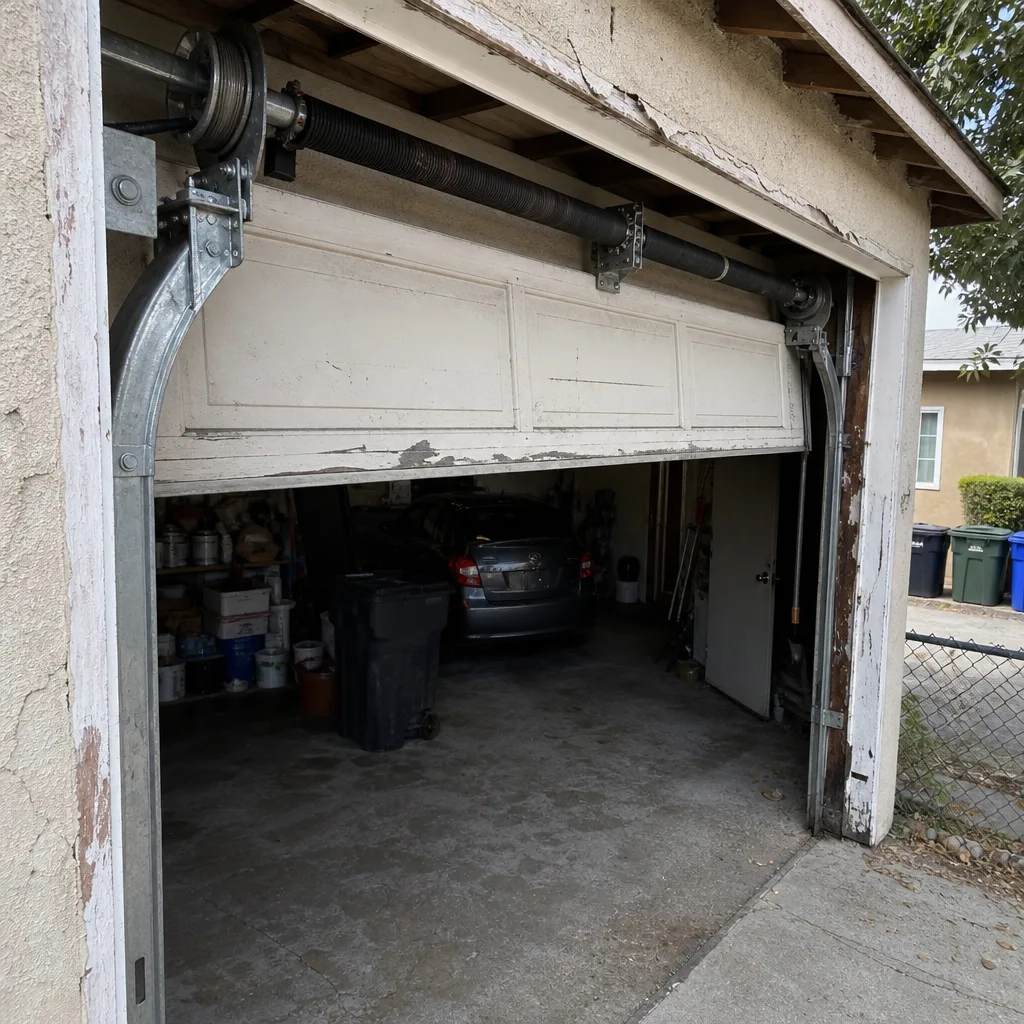 Before
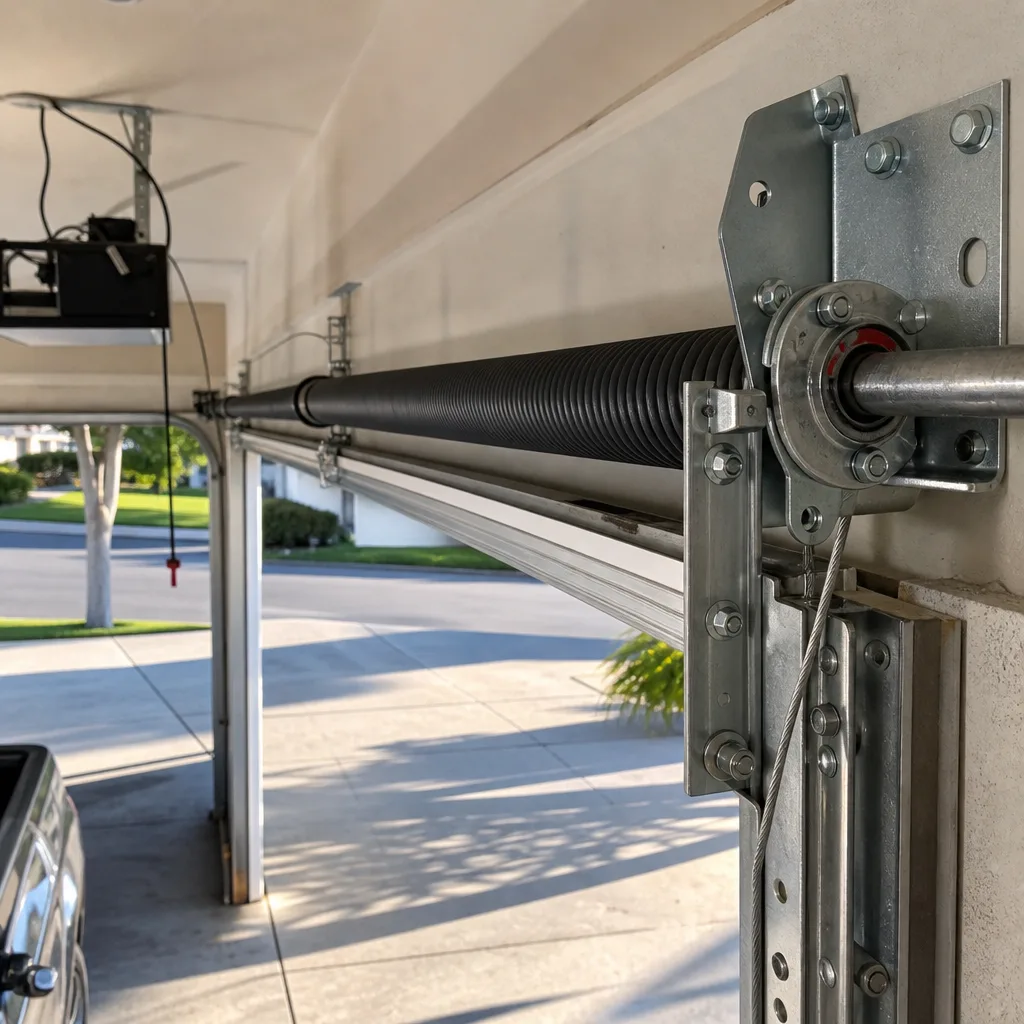 After
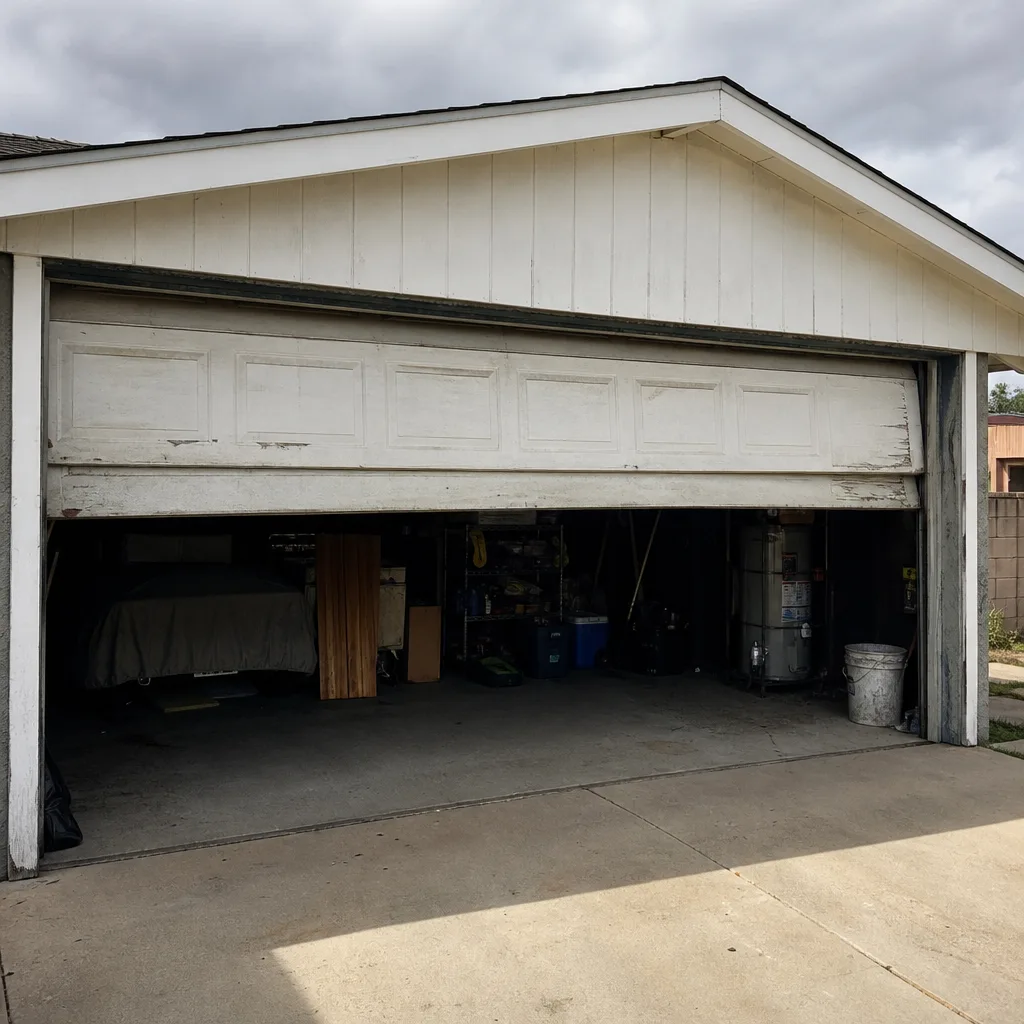 Before
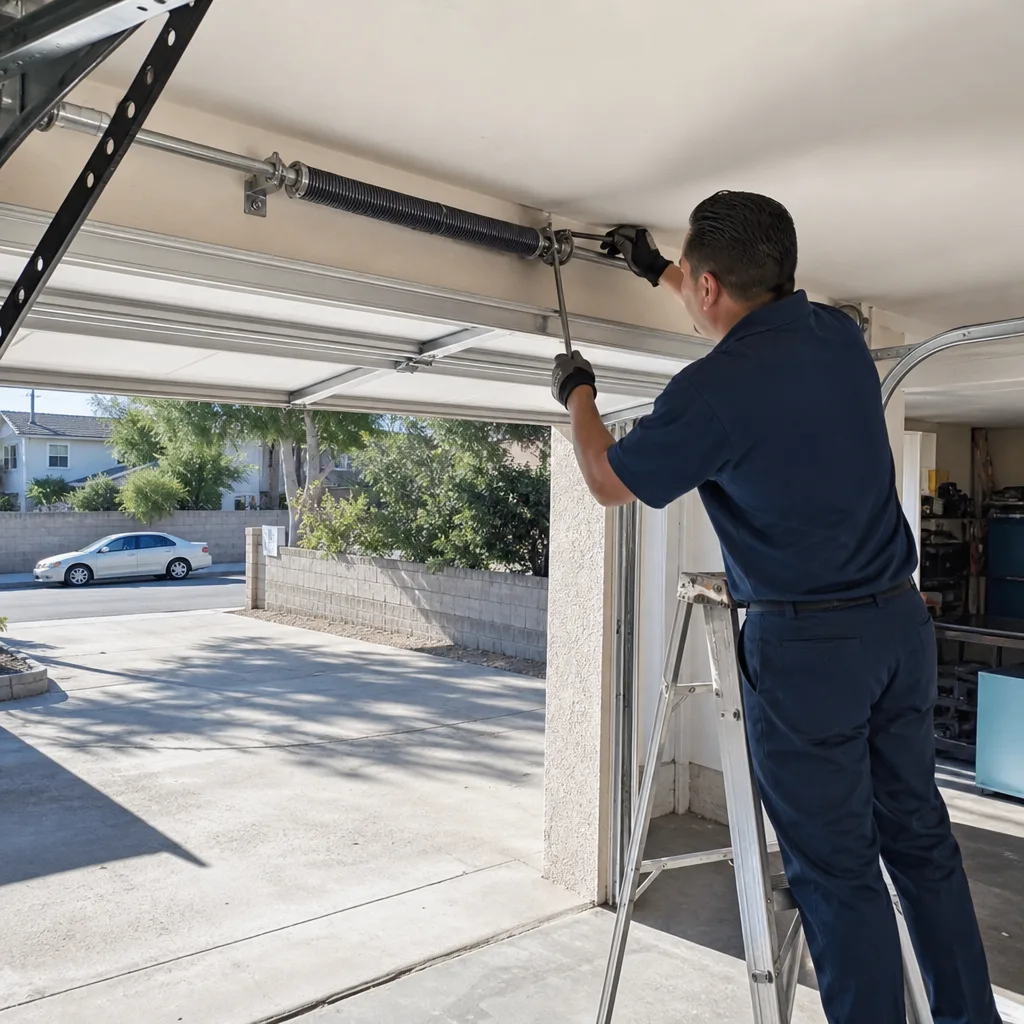 After
Frequently Asked Questions
Lubricate hinge pivots, roller bearings, and the opener rail twice a year, ideally in May and November. In Glendale’s summer heat, lubricant thins and drips out of bearings faster than in coastal climates, so a mid-summer check in July or August is worthwhile if you notice new sounds during operation.
Heat changes the tension characteristics of torsion spring steel, which shifts the door’s effective balance point. A door that was properly calibrated in 70°F weather behaves differently when the spring is 120°F. A professional tension check and adjustment usually resolves this, and it protects your opener motor from chronic strain.
Close the door and check for visible daylight under the seal. Then run your hand along the seal’s length. It should feel pliable and uniformly seated. If you find flat spots, cracks, stiffness, or gaps at the corners, the seal has reached the end of its service life. In Glendale, expect to replace seals every three to five years depending on sun exposure.
Yes. The dust and ash carried by Santa Ana winds is fine enough to penetrate roller bearing seals, mix with residual grease, and form an abrasive paste. Within weeks, a bearing can go from smooth to grinding. Cleaning tracks and wiping roller bearings after major wind events is the single most effective thing you can do in October and November.
Repainting will address cosmetic fading when the panel surface is intact. However, if panels show bubbling, peeling, or a hollow feel when tapped, the issue is delamination, not fading. Paint does not repair delamination. Assess the panel condition before repainting.
The manual balance test. Disconnect the opener, lift the door to waist height, and release. A properly balanced door stays in place. If it drops or rises, the springs need attention, and catching that early prevents both spring failure and opener damage. Call (855) 473-2620 if your door fails the test, and we will confirm the diagnosis and give you a written price before any work starts.
The Bottom Line
Glendale garage doors face a specific set of seasonal challenges, and the homeowner who understands those patterns is rarely the homeowner with a surprise repair bill. Check the balance monthly. Pay attention to the bottom seal before and after the wet season. Clean tracks and rollers during wind and fire season. Lubricate at the right times with the right product. And when a door fails a test or makes a new sound, address it early. Most expensive garage door failures in Glendale started as small, detectable changes that were ignored for months. Suncrest Garage Door Repair is a Suncrest Garage Door Repair home local team that provides repair, opener repair, and full installation services, and we are always glad to help with a free estimate. Call (855) 473-2620.
Written by the team at Suncrest Garage Door Repair, serving Glendale since 2014.