
Last updated November 2, 2026
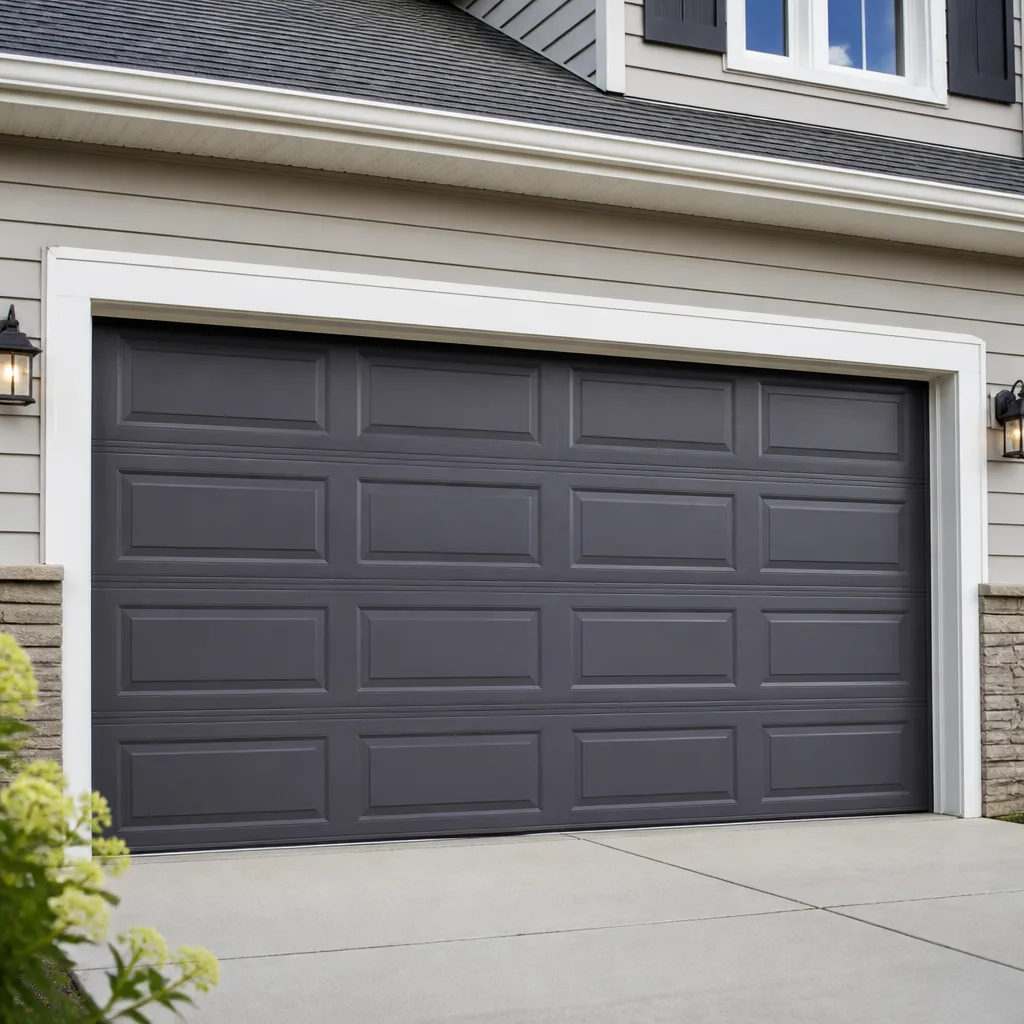 Raised-panel steel
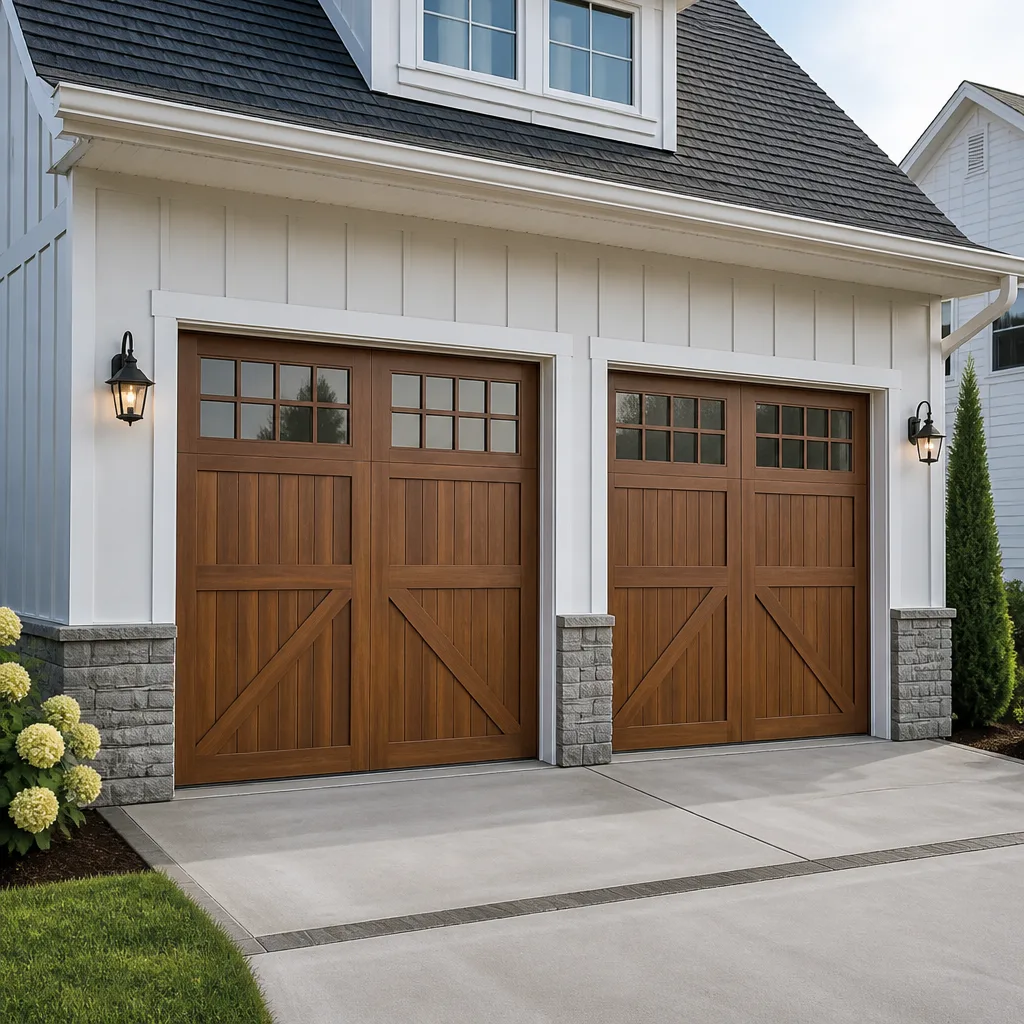 Carriage house
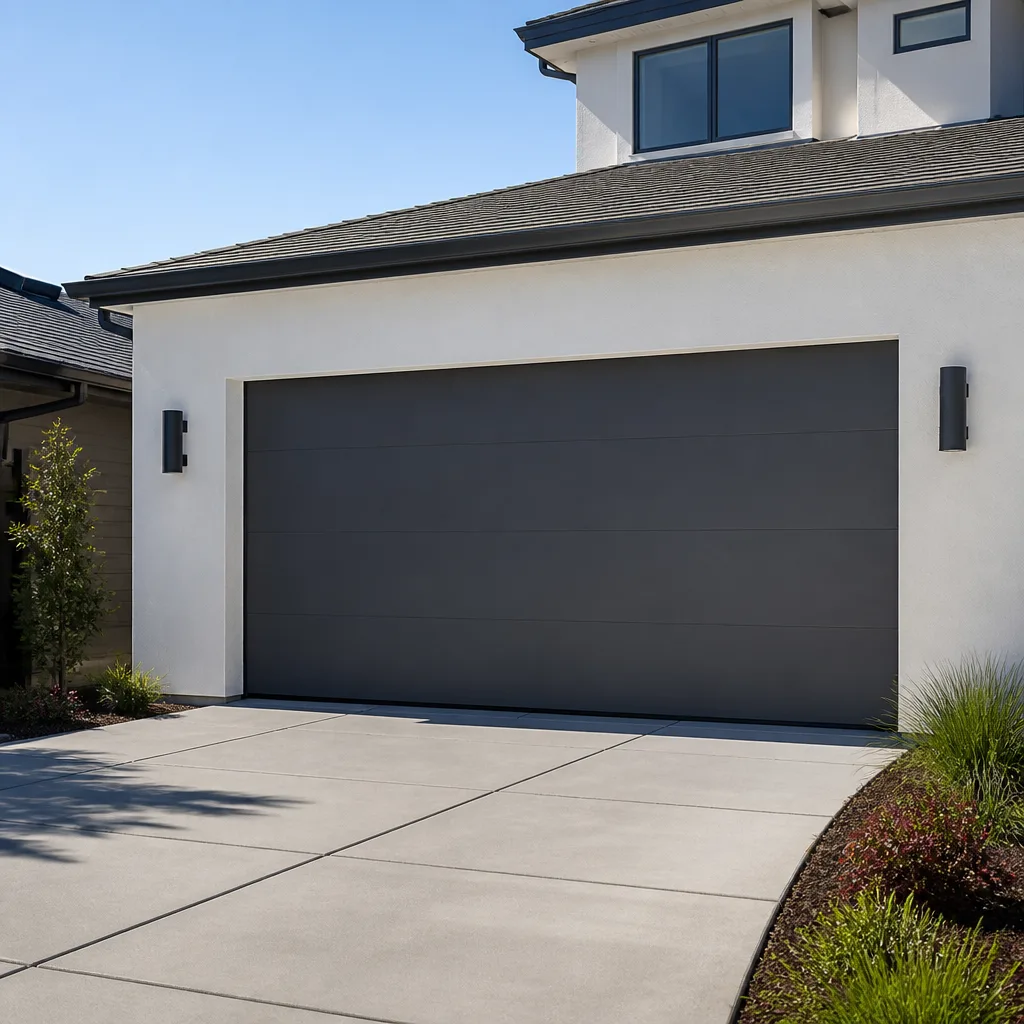 Modern flush
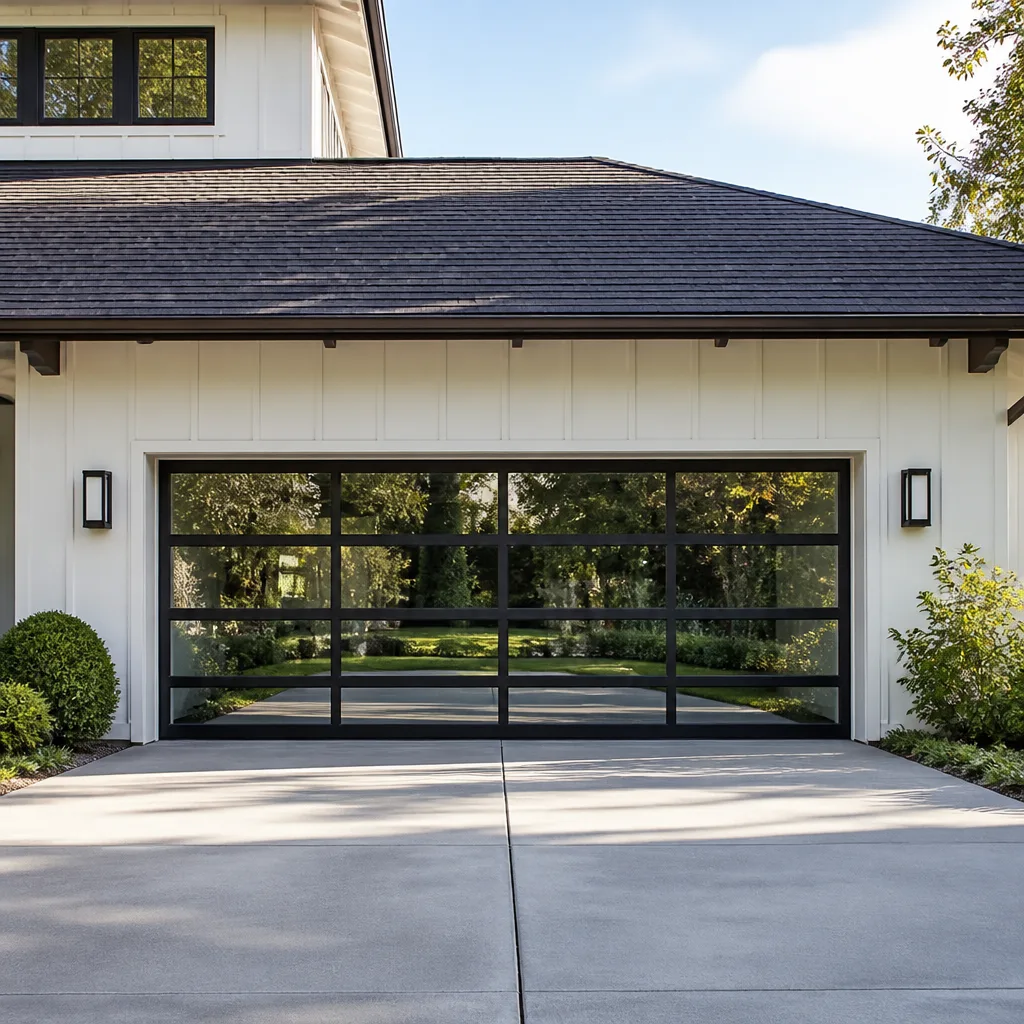 Full-view glass
 LiftMaster openers
 Chamberlain openers
Full 25-point door and opener safety check with every visit - springs, cables, rollers, tracks, and your LiftMaster or Chamberlain opener included
You get a price before we start. It does not change when the truck arrives.
Get your free estimateGarage Door Permits, Codes & Inspections in CA: What You Need to Know
Here’s the part nobody tells you when you sign the estimate: a new garage door in California is not just a purchase, it’s a structural event. A like-for-like swap, same size and same weight, is usually a repair in the eyes of the code. Change the opening by six inches, upgrade from a non-insulated steel door to a solid wood one that weighs a hundred pounds more, or add a motor where there was only muscle, and you’ve technically altered the structure. In Glendale, that distinction matters more than in most cities because the building department sits inside a seismic zone where every anchor, bracket, and backup battery is on the inspector’s list. This guide walks you through exactly when you need a permit, what the inspector is looking for, and what happens at the closing table if you skipped the paperwork.
Quick Answer
In California, you generally do not need a permit to repair an existing garage door or replace it with a door of the same size and similar weight. You do need a permit when the replacement changes the opening size, increases the door’s weight enough to require new framing or track reinforcement, or adds a motorized opener to a door that was previously manual. Glendale enforces the same California Residential Code thresholds plus additional seismic anchoring requirements because the city sits in a high-hazard earthquake zone.
Styles & brands we work with
- Raised-panel steel
- Carriage house
- Modern flush
- Full-view glass
- LiftMaster openers
- Chamberlain openers
Table of Contents
- When You Need a Permit for a Garage Door in California
- When a Permit Is Not Required
- Glendale’s Seismic Bracing Rules: What the Inspector Checks
- Battery Backup Compliance Under the 2019 CEC Mandate
- How Unpermitted Garage Door Work Affects a Home Sale
- The Inspection Process for a Permitted Garage Door Job in Glendale
- HOA Overlay: When Architectural Guidelines Conflict with City Permits
- Common Mistakes to Avoid
- When to Call a Professional
- Frequently Asked Questions
When You Need a Permit for a Garage Door in California
The California Residential Code (CRC) treats a garage door as part of the building envelope, not a free-standing appliance. That means permit triggers are tied to what the door does to the structure, not to how much you paid for it. Here are the situations that pull the permit trigger in Glendale and across the state.
You are changing the rough opening size. Cutting a wider or taller hole in a garage wall, or framing in part of an existing opening, is structural work. This requires plans, a permit, and an inspection of the header and lateral framing before the door ever gets installed. In Glendale, this also triggers a review of the wall’s shear capacity because the garage wall is considered part of the building’s seismic-resisting system.
The new door is significantly heavier than the old one. Swapping a 16-by-7-foot steel pan door for a solid wood carriage door can add 150 to 300 pounds to the load path. The existing track hangers, header brackets, and sometimes the header itself were sized for the old door. When a door’s weight class changes, the CRC requires verification that the supporting framing can carry the new load. Without that verification, no permit. The inspector will want to see manufacturer-specified track and spring specifications matched to the new door’s weight.
You are adding an opener to a manual door. A door that has been lifted by hand for 40 years has no electrical circuit, no mounting points, and no seismic bracing for a motor head. Adding an opener means new wiring, new structural attachment to the ceiling or wall, and new safety devices (photo-eye sensors at the door threshold). California treats this as a change of use for the opening, and Glendale requires a permit with an electrical inspection.
The door is part of a new construction or an addition. Any new garage or major remodel includes the door on the original permit set. This is the one case where almost nobody argues about the requirement, but homeowners still try to save money by swapping the spec door for something else after final inspection. That swap, if it changes the weight or wind-load rating, is itself a permitted alteration.
What About Repair Work?
Repair is different from replacement. Fixing a broken torsion spring, replacing a set of rollers, realigning a track, swapping a photo-eye sensor, or replacing an opener circuit board are maintenance activities covered in our Garage Door Repair Maintenance Checklist for Glendale Homeowners. The CRC local amendments in Glendale do not require a permit for these because the structure is not being altered. The door’s size, weight, and function remain unchanged. Even replacing an entire panel, as long as the panel matches the original in material and weight, is typically considered repair. The moment the panel material changes from steel to glass or wood, you’re back in permit territory.
When a Permit Is Not Required
Let’s be clear about what you can do without walking into the Building & Safety office on Broadway. The California Residential Code and Glendale’s municipal code both recognize that most garage door work is maintenance rather than construction. Here’s what falls on the maintenance side of the line.
- Same-size, same-weight replacement. If your 16-by-7 steel door with a 15-year-old spring system gets replaced with a new 16-by-7 steel door of similar gauge and weight, no permit is needed. The opening is unchanged, the structural load is comparable, and the track system is typically reused or replaced with a matching set.
- Spring, roller, and cable repairs. Torsion springs wear out every 10,000 to 20,000 cycles. Replacing them is routine maintenance. The same goes for rollers, hinges, cables, and bearing plates. In our experience in Glendale, these are the most common service calls we run, and none of them require city involvement.
- Opener repair on an existing motorized door. Replacing a circuit board, a gear kit, a belt, or a chain on an opener that’s already installed and permitted is repair work. The electrical connection already exists and was approved. If we’re replacing an old Chamberlain opener with a new LiftMaster unit using the same mounting points and the same circuit, Glendale does not require a new permit for the swap itself, though a few inspectors will want to see the new unit’s UL listing documented.
- Weatherstripping and seal replacement. Bottom seals, side seals, and top seals are consumables. No permit, no inspection, no paperwork.
- Track lubrication and alignment. These adjustments don’t change the structure. They keep the existing structure working properly.
Most homeowners in Glendale will never pull a permit for garage door work in their lifetime. The permit conversation only starts when the project scope changes from “fix what’s there” to “change what’s there.” Our Garage Door Repair Troubleshooting: Common Problems and How to Fix Them covers the fixes you can handle without one. A knowledgeable contractor will tell you which side of that line your project falls on before you sign anything.
Glendale’s Seismic Bracing Rules: What the Inspector Checks
Glendale sits in a designated seismic hazard zone. The city’s building department has adopted amendments to the California Residential Code that go tighter than the state baseline for garage door anchoring. If your project does require a permit, here’s what the inspector is actually looking at when they come to your home.
Track anchoring to the wall and header. The horizontal track carries the door’s weight when the door is open. In a seismic event, a poorly anchored track can pull free and drop the door, which becomes a dangerous projectile. Glendale requires track hangers with a minimum of two fasteners per hanger into solid framing or an approved anchor, not drywall. The inspector will check fastener spacing and will often tap the junction to confirm the anchor is biting into framing rather than plaster.
Opener head bracing. The motor unit hangs from the ceiling on perforated steel straps. In a quake, an unbraced opener head can swing and pull its own lag bolts. Glendale requires the opener to be secured with steel angle or strut braced at two points, and the electrical whip to the opener must have enough slack to absorb movement without pulling the connection apart. This is one of the most commonly failed inspection items on garage door permits in Glendale.
Header capacity. If the door weight increased, the inspector reviews the header. A standard 4-by-12 or engineered lumber header is adequate for most residential garage doors up to about 400 pounds of door weight. Go heavier than that, and Glendale may require a steel flitch plate or a stronger engineered header. The inspector will look for the manufacturer’s door weight specification and compare it to the plan set.
Door-to-jamb connection. The vertical tracks bolt to the jambs on either side of the opening. Under lateral seismic load, those fasteners take shear force. Glendale requires through-bolting or lag bolts into the king stud, not into the trim. The inspector checks the bolt pattern against the track manufacturer’s published specifications.
Battery Backup Compliance Under the 2019 CEC Mandate
Since July 1, 2019, the California Energy Commission’s Title 20 appliance efficiency standards require all newly installed residential garage door openers in California to include a battery backup system. This applies even if your project does not otherwise require a permit. Glendale enforces this at the point of sale and at inspection for permitted work.
The logic is emercency access. After an earthquake or a wildfire evacuation, a power outage traps cars inside garages. A battery backup lets you open the door when the grid is down. The rule applies to any newly installed opener, whether it’s part of a full door replacement or a simple opener swap. That includes LiftMaster models with built-in battery backup and Chamberlain units with the same architecture. If you’re installing a new opener in Glendale in 2026, the unit must have CEC-compliant battery backup listed on its spec sheet.
Note that this mandate applies to installation, not to repair. If your existing opener has no battery backup and we replace a failed gear kit, the unit remains compliant because it predates the 2019 standard. But if that opener fails completely and the unit must be replaced, the replacement must include battery backup. The inspector checks for this on any permitted opener installation by verifying the model number against the CEC’s listed appliance database.
What Battery Backup Compliance Looks Like in an Inspection
For a permitted garage door job in Glendale that includes a new opener, the final inspection has three checkpoints related to the CEC mandate. First, the inspector confirms the opener model number matches the approved plans. Second, they verify the battery backup unit is physically installed and wired. Third, they test the system by disconnecting power at the outlet and running the door through one full open-close cycle on battery. If the door stalls, the inspection fails.
Homeowners can test this themselves, by the way. Unplug the opener and try to run the door. If it moves, the battery is working. One full cycle per year is a reasonable maintenance practice in Glendale, where summer heat shortens lead-acid battery life and grid outages are increasingly common during fire season. For other warning signals to watch for, see our Garage Door Warning Signs: A Glendale Homeowner’s Reference Guide.
How Unpermitted Garage Door Work Affects a Home Sale
This is the section that costs people money. California law requires sellers to disclose all unpermitted work they are aware of on the property. The Transfer Disclosure Statement and the Seller Property Questionnaire both have explicit questions about improvements made without permits. A garage door replacement that changed the opening size, added an opener, or altered structural framing is an improvement that requires a permit. If you did it without one and don’t disclose it, you’ve created legal exposure.
In Glendale, buyers have become specifically thorough about garage door work because the city’s building records are easy to search. A buyer’s agent pulls the permit history, sees a new door on the listing photos, and asks for the permit. No permit, and one of three things happens. The buyer asks for a price reduction to cover permit retrofitting costs, which in Glendale typically run $800 to $2,500 depending on what the city finds during inspection. Or the buyer asks the seller to obtain the permit retroactively before closing, which can take 4 to 12 weeks depending on Building & Safety’s current queue, and which may require opening up walls to expose framing. Or the deal dies.
Sellers in Glendale should understand the specific disclosure language used on the local forms. The Seller Property Questionnaire asks: “Are you aware of any room additions, structural modifications, or other alterations made without necessary permits?” A garage door that changed the opening size falls squarely under structural modifications. The follow-up question asks whether any completed improvements are unpermitted. Answering these honestly protects you from post-sale lawsuits over non-disclosure, which have a 3-year statute of limitations in California for intentional concealment.
Buyers can use this as leverage. An unpermitted garage door is a negotiation chip, but it’s also a warning flag. If the seller cut corners on the permit, what else did they skip? In our work across Glendale, from Rossmoyne to Adams Hill, we’ve seen deals renegotiated for exactly this reason. The $900 permit fee becomes a $5,000 credit against the sale.
The Inspection Process for a Permitted Garage Door Job in Glendale
If your project does trigger a permit in Glendale, the process runs through the city’s Building & Safety Division. Here’s the sequence you can expect, based on current procedures and typical timelines.
- Application and plan review. For a simple door replacement with an opening-size or weight change, you or your contractor submits the permit application with the door manufacturer’s specifications, the track and spring specifications, and a simple elevation drawing. For an opening change, Glendale will also want a structural calculation for the new header. Plan review for garage door permits is typically 5 to 15 business days.
- Permit issuance. Once approved, the permit is issued once fees are paid. Glendale’s fee schedule for a garage door permit ranges roughly from $200 to $600 depending on project valuation and whether plan review was required. The permit is valid for 180 days from issuance, with renewals available.
- Rough inspection (if framing changed). If the job involved modifying the opening, the inspector comes after framing and header work is complete but before any finish trim or drywall closes the wall. They verify header size, fastener schedule, shear wall panels, and the rough opening dimensions. This inspection must be scheduled by calling the Building & Safety inspection line at least 24 hours in advance.
- Door installation. Once the rough inspection passes, the door and track system go in. The opener, if part of the scope, is installed and wired. The job is not considered complete until the inspector signs off.
- Final inspection. The inspector verifies the door operates smoothly through a full open-close cycle, checks spring tension and safety reversal, confirms photo-eye sensors are installed at the correct height, verifies the CEC-compliant battery backup on the opener, and signs the final approval. Final inspection is typically scheduled for 30 to 60 minutes.
- Certificate of completion. Once the final passes, the permit is closed and the approval is recorded with the property’s permanent building file. This is what protects you at resale.
The full timeline from application to final inspection for a permitted garage door replacement in Glendale typically runs 3 to 8 weeks, depending on plan review queue and inspection scheduling. Rush review is not available for residential garage door permits. Plan for this in your project calendar, especially if you’re coordinating with an HOA approval simultaneously.
HOA Overlay: When Architectural Guidelines Conflict with City Permits
Glendale has a substantial number of HOA-governed neighborhoods, particularly in the hillside communities north of the 134 and in the planned developments around Brand Park. If you live under an HOA, your garage door project has two masters: the city’s building code and the HOA’s architectural guidelines. Here’s how those interact, and what happens when they disagree.
The HOA controls appearance. Section 553.1 of California’s Common Interest Development Act grants HOAs the authority to regulate exterior modifications, including garage doors, through their CC&Rs and architectural review process. This means your HOA can restrict door color, material, window placement, and sometimes even brand. A Clopay steel door in a wood-look finish might be approved where a Wayne Dalton glass-panel door is denied. That’s not a code issue. That’s a contract between you and your neighbors.
The city controls safety. Glendale’s building department doesn’t care what color your door is. It cares that the door is anchored correctly, that the opener has battery backup, and that the structural modification was done to code. The HOA’s approval does not replace a city permit, and a city permit does not satisfy the HOA.
When they conflict, the stricter standard applies. If your HOA requires a solid wood door for aesthetic reasons and that door’s weight pushes you into permit-required territory, you need both HOA approval and a city permit with possible header reinforcement. If the HOA denies your proposed door replacement, you cannot install the door even though the city would permit it. If the city requires a structural reinforcement the HOA doesn’t want to see, the city wins, because building code supersedes private contract.
The most common conflict we hear about from Glendale homeowners involves retrofit projects. The HOA wants a specific door style, the chosen style changes the weight or opening enough to trigger a permit, and then the permit process uncovers an existing unpermitted alteration. At that point, the HOA approval is the easy part. The city files are the problem. If you’re planning a garage door project under an HOA, start the HOA architectural review application at the same time as the city permit application. They run in parallel, and both take time.
Common Mistakes to Avoid
- Assuming all new doors are permit-free. A lot of contractors will tell you what you want to hear to close the sale. The test is simple: if the door size, weight class, or motorization status changes, you likely need a permit in Glendale. Ask the contractor directly and get the answer in writing.
- Installing an opener on a manual door without electrical sign-off. The motor isn’t the hard part. The wiring is. Unpermitted electrical work is what insurance adjusters and home inspectors flag first.
- Skipping the battery backup requirement. A new opener installed in California after 2019 without a battery backup is a code violation. We still see old-stock openers being installed by well-meaning handymen. The homeowner is the one holding the violation.
- Not disclosing unpermitted work at sale. The cost of retroactive permitting is a few thousand dollars. The cost of a non-disclosure lawsuit is far worse. Disclose.
- Thinking the HOA approval substitutes for a city permit. It doesn’t. Both processes must be completed independently. An HOA approval letter is not a building permit.
- Changing the door mid-project without updating the permit. If the approved plans specify a specific door and you install a different, heavier model, the permit is no longer valid. The final inspection will fail, and Glendale’s inspector may require a new plan review.
- Waiting to check your permit history until the week before closing. Pull your property’s permit record when you list the house, not when the buyer asks. By then, you’ve lost negotiating leverage and you’re on the clock.
When to Call a Professional
You don’t need an expert for a spring replacement or a roller swap. You do need one when the project involves structural judgments, permit paperwork, or electrical wiring. Here are the situations where professional help in Glendale makes the difference between a clean project and a building department headache. If you’re changing the opening size, going to a significantly heavier door, adding an opener to a door that’s never had one, or buying a house where the garage door permit history is unclear, that’s when a specialist earns their fee. The right contractor pulls the permit, schedules the inspections, and stands behind the work. They also tell you honestly when no permit is needed, instead of inflating the scope. Suncrest Garage Door Repair home is our starting point for all garage door questions. For door-specific repair work in the Glendale area, see our Garage Door Repair in Glendale page. If the opener is the issue, Garage Door Opener Repair in Glendale covers motors, remotes, and smart-home integrations. Planning a new door instead? Garage Door Installation in Glendale walks through product selection and the installation process. Suncrest Garage Door Repair offers free estimates in Glendale, call (855) 473-2620.
Frequently Asked Questions
You do not need a permit to replace a garage door with a like-for-like unit of the same size and similar weight. You do need a permit if the new door changes the rough opening dimensions, increases the structural load beyond what the existing framing can handle, or adds a motorized opener to a previously manual door. In Glendale, the local building department enforces these thresholds and adds seismic anchoring requirements that may require inspection even when a permit was not originally planned. Call (855) 473-2620 to talk through your specific situation before you commit.
A garage door permit in Glendale typically costs between $200 and $600 depending on the project valuation and whether plan review is required. Projects that change the opening size or involve structural header work usually fall at the higher end because plans and engineering calculations are part of the submittal. The permit fee is separate from any contractor labor or materials. For an exact number on your project, the Glendale Building & Safety Division can provide a fee estimate based on your scope, or we can pull the numbers for you during a free estimate.
No. Adding a motorized opener to a door that has never had one is an alteration that requires an electrical permit in Glendale and across California. The work involves new wiring, a new circuit connection, structural mounting of the opener head, and installation of safety sensors. The inspector verifies the wiring, the seismic bracing, and the CEC-compliant battery backup on the opener. Skipping the permit here is one of the most common code violations we encounter.
Since July 1, 2019, every newly installed residential garage door opener in California must include a battery backup system that can operate the door without grid power. The requirement comes from the California Energy Commission’s Title 20 appliance efficiency standards. It applies to new installations, not repairs of existing pre-2019 openers. Glendale inspectors verify compliance at final inspection by testing the door through a full cycle on battery power.
It often does. Home inspectors in Glendale regularly flag garage door work that appears newer than the property’s permit record, and buyers’ agents check the city’s permit history as part of due diligence. A door that changed the opening size, added an opener to a manual door, or altered framing without a permit is a disclosure item on the Seller Property Questionnaire. Undisclosed unpermitted work can trigger post-sale legal claims and renegotiated deals. If you’re unsure whether your existing door work was permitted, pull your property’s building file before you list.
No. An HOA architectural approval governs the appearance and placement of your garage door under your community’s CC&Rs. It does not satisfy any requirement of the California Residential Code or Glendale’s municipal code. The two processes run independently, and both must be completed when your project triggers them. If your HOA requires a door style that changes the weight or opening size, you need HOA approval plus a city permit.
The Bottom Line
Most garage door work in California never needs a permit. Repairs, spring replacements, and like-for-like door swaps fly completely under the building department’s radar, legally. The permit trigger only fires when the structure changes: a new opening size, a heavier door, or a new motorized system. In Glendale, those triggers come with an extra layer of seismic scrutiny that other California cities don’t apply. The cost of pulling the permit is a few hundred dollars and a month or two of scheduling. The cost of skipping it surfaces at inspection, at resale, or on a disclosure form years later. If you’re not sure which category your project falls into, get an expert answer before you sign the contract, or browse our more guides & resources.
Written by the team at Suncrest Garage Door Repair, serving Glendale since 2014.
See the difference
 Before
 After
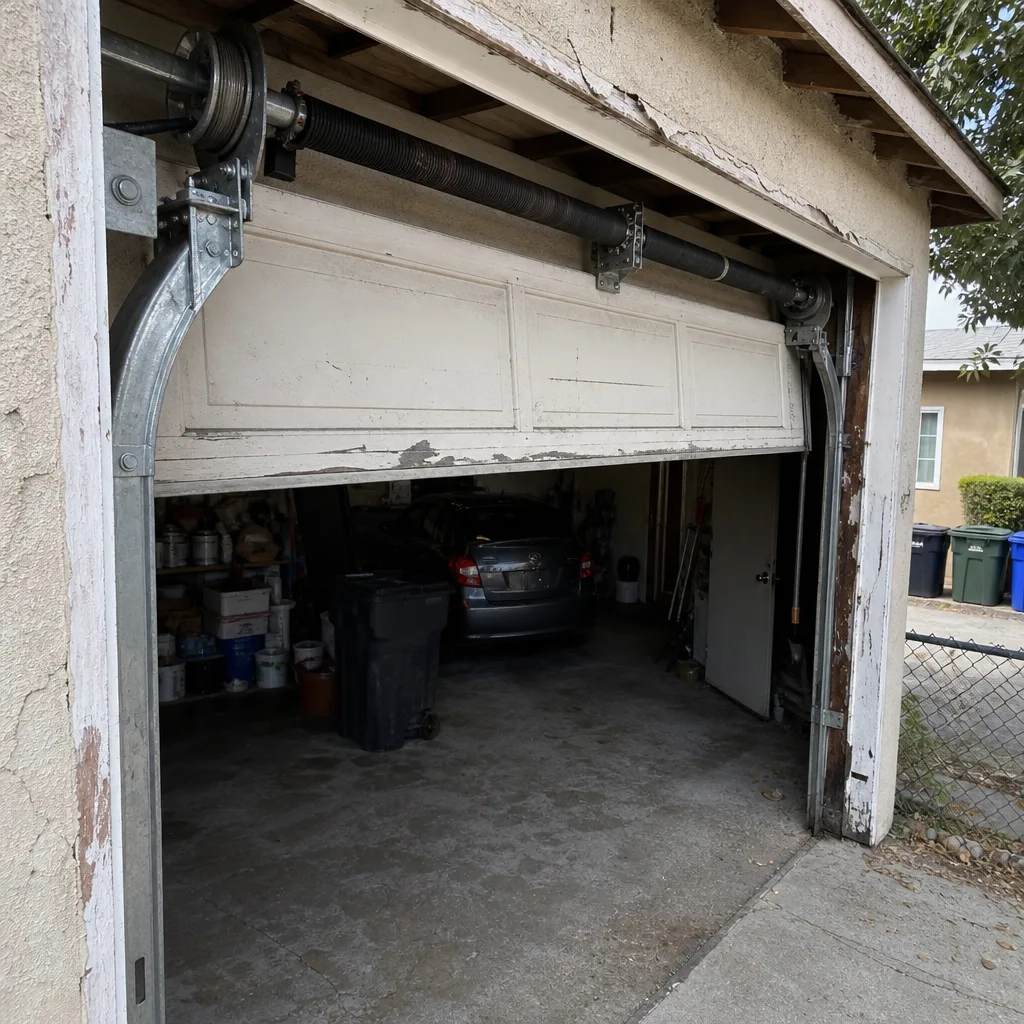 Before
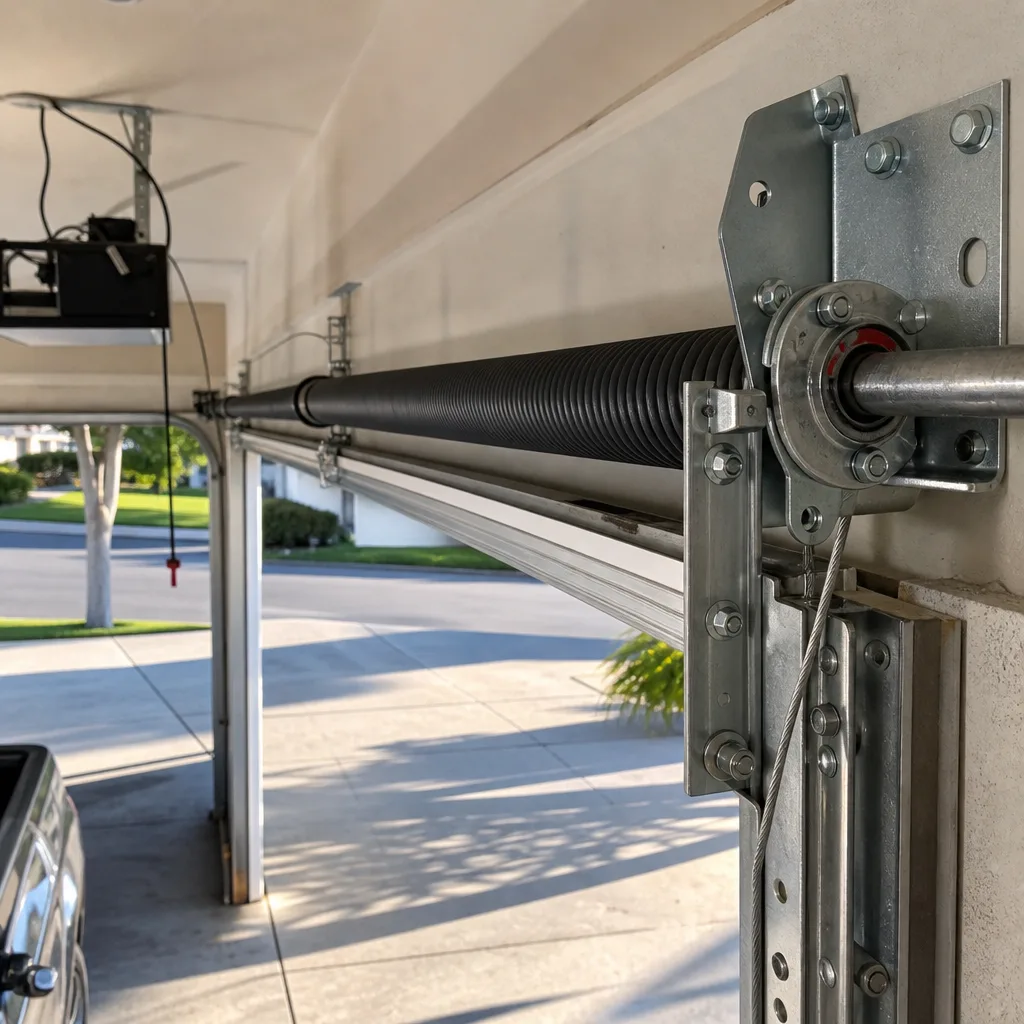 After
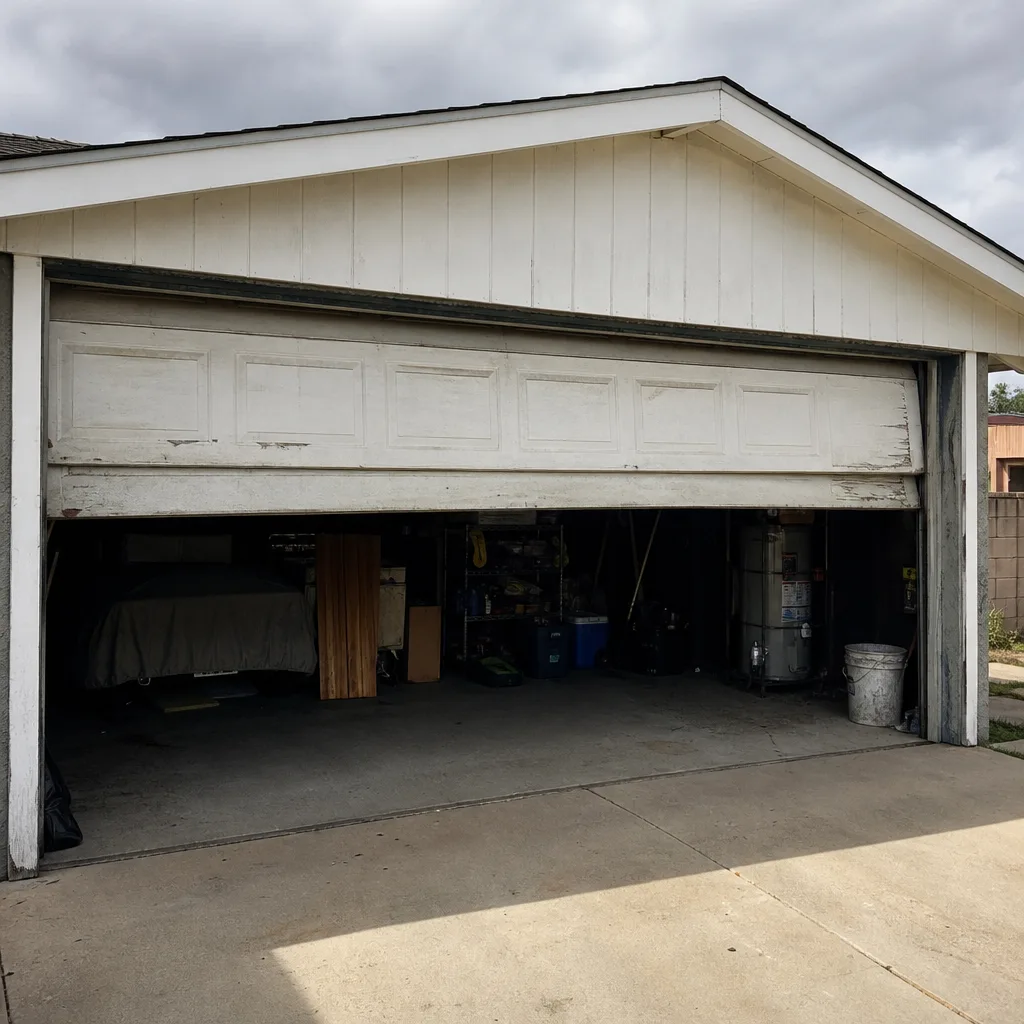 Before
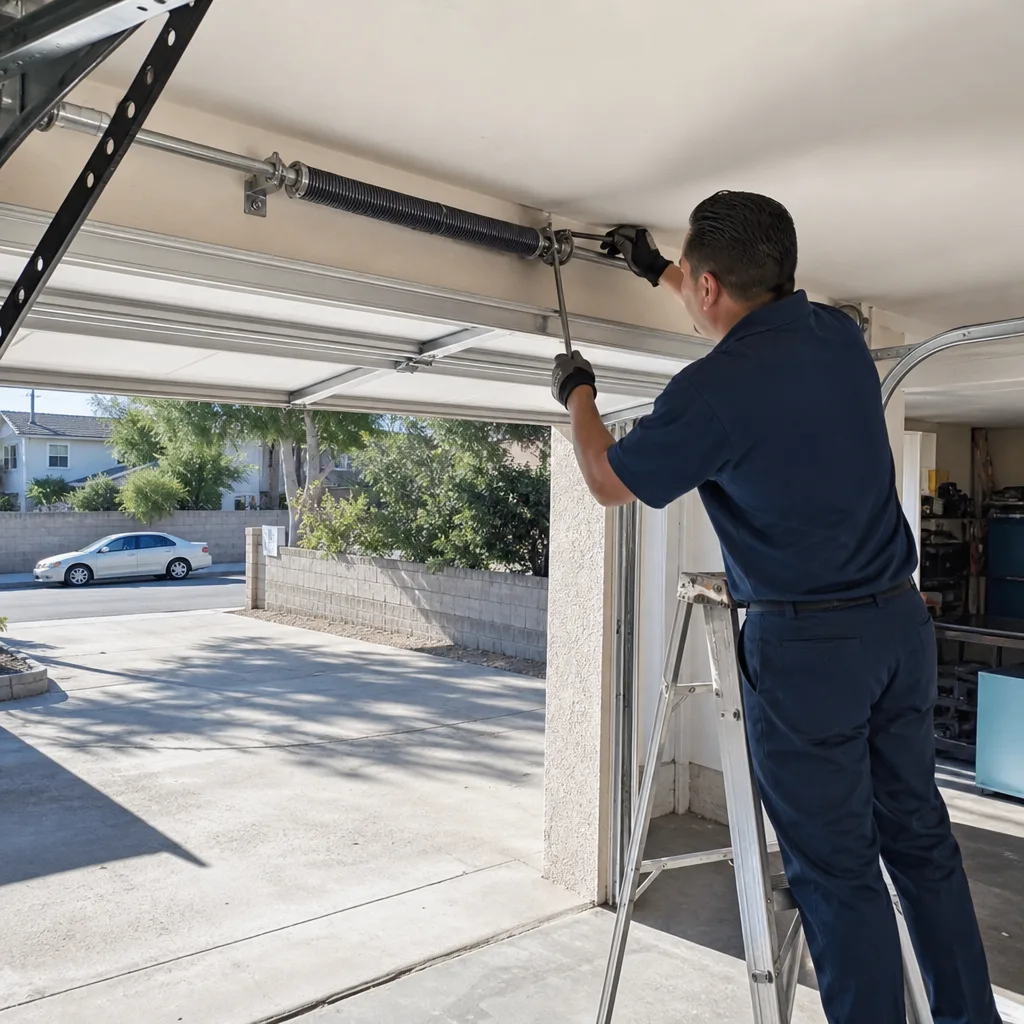 After